L.L. Davis 12-Inch Cast Iron Filigree Spirit Level
Antique Tools and Scientific Instruments

L.L. Davis 12-Inch Cast Iron Filigree Spirit Level

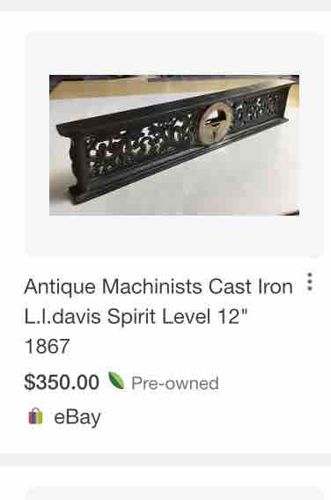
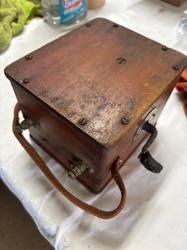
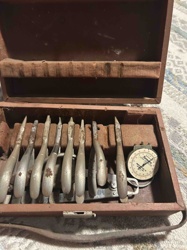
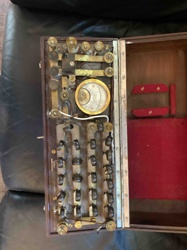
This is a fine example of a 19th-century machinist's spirit level, specifically the 12-inch model attributed to L.L. Davis (Leonard L. Davis). The item is constructed from heavy-duty cast iron, featuring the iconic and highly decorative openwork filigree or 'scroll' design that distinguishes Davis's work from standard industrial tools. The body is finished in a dark, japanned black patina, which shows typical signs of aging including some minor surface oxidation and wear consistent with its 1867 patent era. The central vial holder is made of brass, providing a striking yellow-gold contrast against the dark iron body; it houses the original glass spirit vial. The casting exhibits high-quality craftsmanship with crisp details in the scrollwork and precision-ground flat surfaces on the top and bottom rails to ensure accuracy. This specific style was patented in the late 1860s and represents a period where utilitarian tools were often treated as pieces of industrial art. There are no visible cracks in the iron or breaches in the glass vial, suggesting excellent preservation of its structural and functional integrity.
Estimated Value

$450 - $650

Basic Information

Category

Antique Tools and Scientific Instruments

Appraised On

January 2, 2026

Estimated Value

$450 - $650

Item Description

This is a fine example of a 19th-century machinist's spirit level, specifically the 12-inch model attributed to L.L. Davis (Leonard L. Davis). The item is constructed from heavy-duty cast iron, featuring the iconic and highly decorative openwork filigree or 'scroll' design that distinguishes Davis's work from standard industrial tools. The body is finished in a dark, japanned black patina, which shows typical signs of aging including some minor surface oxidation and wear consistent with its 1867 patent era. The central vial holder is made of brass, providing a striking yellow-gold contrast against the dark iron body; it houses the original glass spirit vial. The casting exhibits high-quality craftsmanship with crisp details in the scrollwork and precision-ground flat surfaces on the top and bottom rails to ensure accuracy. This specific style was patented in the late 1860s and represents a period where utilitarian tools were often treated as pieces of industrial art. There are no visible cracks in the iron or breaches in the glass vial, suggesting excellent preservation of its structural and functional integrity.
Get Your Items Appraised

Instant estimates of your treasures with AI-powered instant appraisals

Browse More Appraisals