AI Appraisal Estimate

AI-generated estimates · not official valuations

From the user

What was submitted

Photo and notes provided by the user — not generated by AI

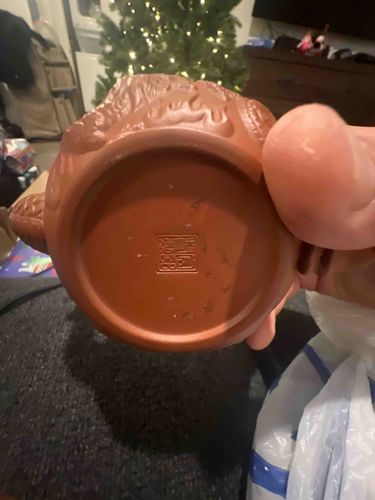
Submitted item photo
Submitted photo · June 20, 2026

User's notes

No additional notes provided.

AI analysis below

AI appraisal

AI analysis & estimate

AI-Generated · Verify before acting

Everything below is generated by AI for informational purposes only. AI can make mistakes — the AI may misidentify items or misattribute them (artist, maker, brand, designer, origin, era). This is not an official valuation and should not be used for insurance, sale, tax, estate, legal, or lending purposes — or any decision requiring a certified appraisal. It is not an authoritative claim about any person, brand, or rights holder — do not share or rely on it as a factual statement about a third party. Always consult qualified professionals before making financial decisions.

Read the full disclaimer

AI Identification

·Not independently authenticated·Verify before acting

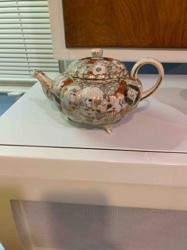
Chinese Yixing Zisha Dragon Teapot

Asian Antiques & Ceramics

AI Estimated Value

·Not an official valuation·Verify before acting

$400 - $650

As of June 20, 2026

AI Item Analysis

·AI can make mistakes·Verify before acting
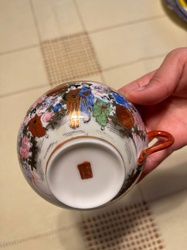
This item is a Chinese teapot crafted from Yixing Zisha clay, commonly referred to as purple sand or red stoneware. The piece displays a deep reddish-brown terracotta color and features a smooth, matte unglazed finish characteristic of this material. The body of the teapot is ornately decorated in high relief with a traditional dragon motif, showcasing intricate scales and swirling cloud patterns wrap around the vessel. The base of the teapot is recessed with a well-defined circular foot rim. Notably, the center of the base features an impressed square seal mark (zhuanshu script), likely indicating the artist or the pottery studio. The craftsmanship suggests a mid-to-late 20th-century production, though it follows classical Qing dynasty styles. Physically, the teapot appears to be in good condition with a visible natural patina from handling; however, there are small dark scuffs and minor surface abrasions within the foot rim. The texture of the clay appears fine-grained and dense, pointing to a standard decorative quality. Yixing teapots are highly valued for their porous nature, which absorbs the oils of the tea over time, though this specific example appears largely ornamental due to the complexity of the relief work.
AI Appraisal Report

·AI can make mistakes·Verify before acting
I have examined the Yixing Zisha Dragon Teapot via the provided documentation and imagery. This piece exhibits characteristic traits of Zisha (purple sand) stoneware from the mid-to-late 20th century. The high-relief 'Dragon and Clouds' motif is executed with a level of detail consistent with standard workshop production intended for the decorative market rather than premium artisanal 'spirit' ware. The seal script mark on the base suggests a studio origin, though it lacks the crispness of a master-level signature. The matte patina and minor abrasions on the foot rim indicate a piece that has been handled but well-preserved. While traditionally functional, the high relief suggests primary use as a display piece. The market for mid-century Yixing remains stable, particularly for pieces utilizing traditional auspicious imagery like the dragon. Comparables for non-certified mid-century studio pieces typically realize within the mid-hundreds at boutique auction houses. However, current market saturation of 1980s-1990s exports limits the rarity of this specific model. Limitations of this appraisal include the inability to verify the 'clink' of the clay for density, the precise weight-to-balance ratio, and the interior's porous quality. Without physical inspection, I cannot rule out modern chemically-colored clays or verify if the seal belongs to a recognized master artist of the period. For full authentication, I would require a physical examination to check the spout-to-rim alignment, verification of the 'cold-touch' clay density, and an expert translation of the seal mark to determine if it corresponds to recorded artisans from the Dingshu Town region. Provenance documentation regarding its original purchase would significantly clarify its historical value.

Get your items appraised

Instant estimates of your treasures with AI-powered appraisals

Browse More Appraisals