AI Appraisal Estimate

AI-generated estimates · not official valuations

From the user

What was submitted

Photo and notes provided by the user — not generated by AI

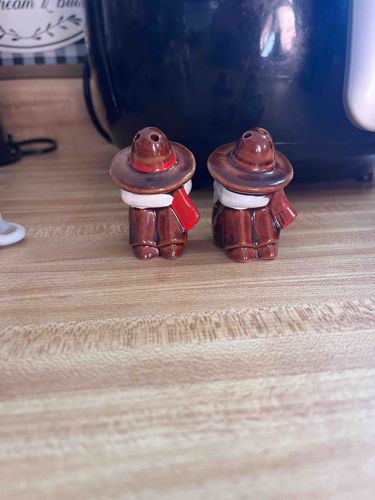
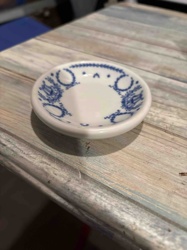
Submitted item photo
Submitted photo · June 20, 2026

User's notes

No additional notes provided.

AI analysis below

AI appraisal

AI analysis & estimate

AI-Generated · Verify before acting

Everything below is generated by AI for informational purposes only. AI can make mistakes — the AI may misidentify items or misattribute them (artist, maker, brand, designer, origin, era). This is not an official valuation and should not be used for insurance, sale, tax, estate, legal, or lending purposes — or any decision requiring a certified appraisal. It is not an authoritative claim about any person, brand, or rights holder — do not share or rely on it as a factual statement about a third party. Always consult qualified professionals before making financial decisions.

Read the full disclaimer

AI Identification

·Not independently authenticated·Verify before acting

Vintage Ceramic Sleeping Mexican Salt and Pepper Shakers

Vintage Kitchenware / Collectible Ceramics

AI Estimated Value

·Not an official valuation·Verify before acting

$15 - $25

As of June 20, 2026

AI Item Analysis

·AI can make mistakes·Verify before acting
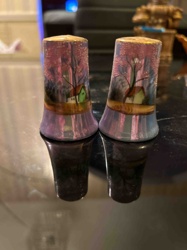
This is a matched pair of novelty ceramic salt and pepper shakers depicting the 'Siesta' or 'Sleeping Mexican' motif, which was highly popular in mid-20th-century kitchen decor. Each shaker stands approximately 2.5 to 3 inches tall and is crafted from glazed earthenware. The figures are depicted in a seated, hunched position with their heads tucked into their chests, wearing wide-brimmed brown sombreros. One shaker features a vibrant red scarf or band around the hat and neck, while the other maintains a more uniform brown glaze. The primary colors are deep chocolate brown, stark white for the shirts/serapes, and a bright glossy red accent. The glaze exhibits a high-shine finish characteristic of mid-century mass-produced ceramics. Two small holes are present at the crown of each hat for dispensing contents. In terms of condition, the surfaces appear well-preserved with no immediate visible cracks or significant chips, though minor shelf wear on the unglazed foot rings is common for this age. These types of figurines were frequently produced in Japan or California during the 1940s and 1950s for companies like Enesco or Napco, often featuring original foil stickers or stamped 'Japan' marks on the base, although those are not visible in this orientation. The craftsmanship is typical of souvenir-grade slip-cast pottery, relying on simple forms and bold color blocking.
AI Appraisal Report

·AI can make mistakes·Verify before acting
Based on my visual examination of these 'Siesta' Salt and Pepper Shakers, I have classified them as mid-century novelty ceramics, likely produced in Japan during the 1940s or 1950s. The items exhibit the high-gloss glaze and bold color blocking—specifically the deep chocolate brown and vibrant red—typical of mass-produced export wares of that era. The condition appears to be excellent for earthenware of this age, with the glaze retaining its luster and no evident 'crazing' or significant chips on the visible surfaces. The market for mid-century 'Anthropomorphic' and souvenir kitchenware remains steady, though these specific motifs were produced in very high volumes. Consequently, they are not considered rare. Comparables for similar Japan-stamped or Enesco-distributed sets frequently sell within the $15-$25 range at antique malls or online auctions. The lack of visible 'cold paint' (paint applied over the glaze), which often flakes off, actually helps preserve the value here as the colors are fired-in. Limitations: This appraisal is based strictly on photographic evidence. A full authentication would require an in-person inspection to check for 'flea bites' around the dispensing holes and to verify the presence of original cork stoppers or manufacturer backstamps. I cannot definitively confirm the maker without seeing the underside of the base. Furthermore, scientific testing (such as a lead test) or provenance documentation would be required to distinguish these from modern reproductions or 'recasts' of the original vintage molds. The presence of an original 'Napco' or 'Lefton' foil sticker would push the value toward the higher end of the estimate.

Get your items appraised

Instant estimates of your treasures with AI-powered appraisals

Browse More Appraisals