AI identification & appraisal estimate

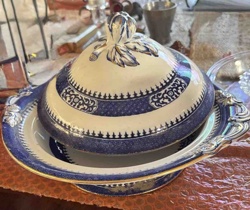
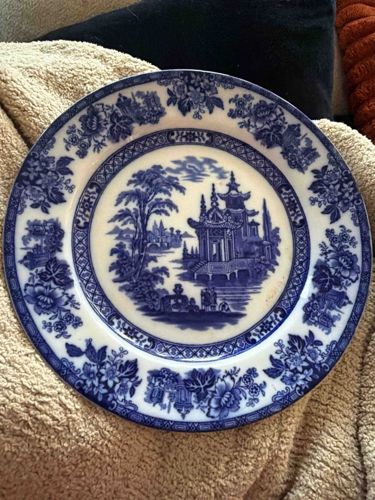
Royal Doulton - Madras Pattern Blue and White Transferware Plate

Submitted photo of Royal Doulton - Madras Pattern Blue and White Transferware Plate
Photo submitted by the user — not generated by AI

User's notes

Doulton- Madras

These notes were written by the person who submitted this item. Appraiser.AI has not verified them, and the AI's identification and estimate may rely on them.

AI Estimated Value

Not an official valuation

$45 - $75

AI estimate as of February 21, 2026 · verify with a professional before acting

AI-Generated · Verify before acting

Everything on this page is generated by AI for informational purposes only. AI can make mistakes — the AI may misidentify items or misattribute them (artist, maker, brand, designer, origin, era). This is not an official valuation and should not be used for insurance, sale, tax, estate, legal, or lending purposes — or any decision requiring a certified appraisal. It is not an authoritative claim about any person, brand, or rights holder — do not share or rely on it as a factual statement about a third party. Always consult qualified professionals before making financial decisions.

This analysis also relies on unverified notes provided by the user, which may be incomplete or inaccurate and could affect the result.

Read the full disclaimer

AI Item Analysis

This is a classic ceramic dinner plate featuring the 'Madras' pattern produced by Royal Doulton. The piece is a fine example of ironstone or earthenware from around the late 19th to early 20th century (circa 1890-1910). The design utilizes a flow blue or cobalt transferware process, showcasing an intricate Chinoiserie central scene with a prominent multi-tiered pagoda, stylized trees, and figures near a body of water. The rim is heavily decorated with a floral border featuring dense rose and foliage clusters, separated by geometric repeating motifs. The cobalt blue pigment is deep and well-saturated against the white glazed ground, showing some characteristic 'flow' or softening of the lines. Construction-wise, it appears to be a standard circular dinner-sized plate with a slightly recessed center and a raised, flat rim. While the underside is not visible, the 'Madras' name confirms the maker and pattern. Condition-wise, the glaze shows micro-crazing consistent with age, and there appear to be minor signs of shelf wear and potential staining on the right-hand side of the inner border. The craftsmanship is indicative of high-quality English production from the Burslem potteries.
AI Appraisal Report

This appraisal concerns a Royal Doulton 'Madras' pattern transferware plate, dating to the late 19th or early 20th century (c. 1890-1910). Based on the visual evidence provided, the plate is an authentic example of the 'Flow Blue' or deep cobalt transferware style popular during Doulton's Burslem period. The central Chinoiserie motif, featuring a pagoda and stylized landscape, is classic for the era, and the saturation of the cobalt blue is notably rich, a factor that collectors prioritize. The intricate floral border adds significant aesthetic weight to the piece. From a condition standpoint, the plate appears generally sound but displays expected age-related wear. I note visible crazing throughout the glaze surface, which is common for earthenware of this vintage. There is some discoloration or staining evident on the right side of the inner border and potential shelf wear, which slightly detracts from the value compared to a pristine example. While I cannot inspect the reverse for backstamps or specific date ciphers, the 'Madras' pattern attribution is visually consistent with known Royal Doulton catalogs. The market for flow blue and monochrome transferware has softened from its peaks in the late 1990s but remains stable for established patterns by premier makers like Doulton. Single dinner plates typically fetch modest sums, whereas platters or serving pieces command higher premiums. To confirm the precise date of manufacture, I would need to physically examine the underside for the specific Doulton impressed marks or registration numbers. Additionally, an in-person inspection (UV light test) would be necessary to rule out any professional repairs or hairline cracks invisible in standard photography.

Keep exploring

More antique ceramics and pottery appraisals

Get your items appraised

Instant AI-powered appraisal estimates from a photo

Browse More Appraisals