1936 Buffalo Nickel (Indian Head Nickel)
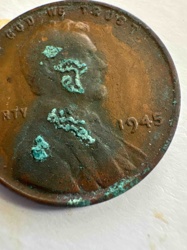
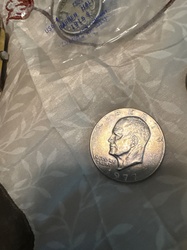
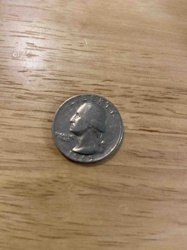
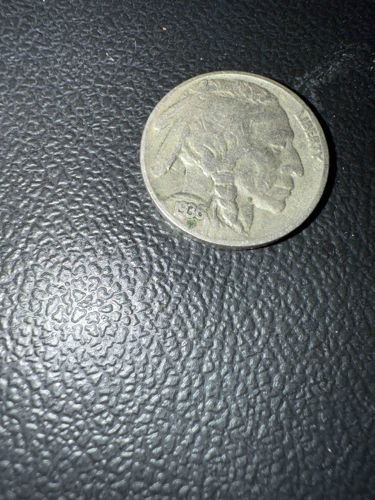
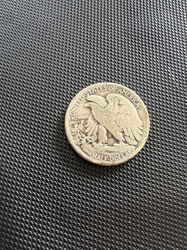
This is a United States five-cent piece, commonly known as a Buffalo Nickel or Indian Head Nickel, dated 1936. Designed by sculptor James Earle Fraser, the obverse features a right-facing portrait of a Native American man, which Fraser stated was a composite based on several individuals. The coin has a diameter of 21.21 mm and is composed of copper-nickel (75% copper, 25% nickel). The date '1936' is clearly visible at the bottom left of the portrait on the shoulder area, and the word 'LIBERTY' is struck along the upper right edge. Physically, the coin shows significant signs of thermal or environmental wear, including a dull, matte grey patina and possible verdigris (green spotting) near the date. The design elements, particularly the hair detail and feathers, show moderate flattening consistent with a 'Good' to 'Very Good' (G-VG) grade in numismatic terms. This specimen was minted toward the end of the series (1913-1938) and represents a classic example of early 20th-century American coinage artistry. The surface appears to have minor scratches and contact marks from circulation, but the date remains legible, which is a key value factor for this specific series, as the dates were often the first element to wear away due to their raised position in the original design.
AI-Generated Appraisal Disclaimer
Estimated Value
$1.50 - $3.00
Basic Information
Category
Numismatics / US Coins
Appraised On
January 15, 2026
Estimated Value
$1.50 - $3.00
Additional Details Provided By Owner
User Provided Information
1936 buffalo nickle
Item Description
This is a United States five-cent piece, commonly known as a Buffalo Nickel or Indian Head Nickel, dated 1936. Designed by sculptor James Earle Fraser, the obverse features a right-facing portrait of a Native American man, which Fraser stated was a composite based on several individuals. The coin has a diameter of 21.21 mm and is composed of copper-nickel (75% copper, 25% nickel). The date '1936' is clearly visible at the bottom left of the portrait on the shoulder area, and the word 'LIBERTY' is struck along the upper right edge. Physically, the coin shows significant signs of thermal or environmental wear, including a dull, matte grey patina and possible verdigris (green spotting) near the date. The design elements, particularly the hair detail and feathers, show moderate flattening consistent with a 'Good' to 'Very Good' (G-VG) grade in numismatic terms. This specimen was minted toward the end of the series (1913-1938) and represents a classic example of early 20th-century American coinage artistry. The surface appears to have minor scratches and contact marks from circulation, but the date remains legible, which is a key value factor for this specific series, as the dates were often the first element to wear away due to their raised position in the original design.
Related Tags
Get Your Items Appraised
Instant estimates of your treasures with AI-powered instant appraisals