AI Appraisal Estimate

AI-generated estimates · not official valuations

From the user

What was submitted

Photo and notes provided by the user — not generated by AI

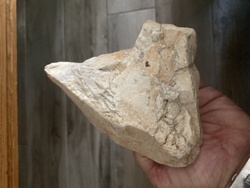
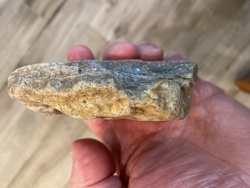
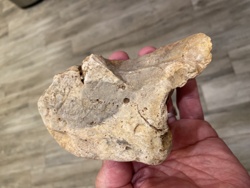
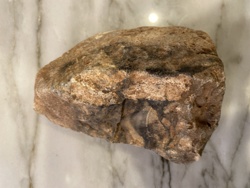
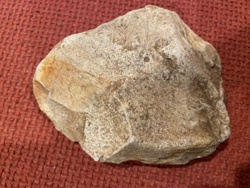
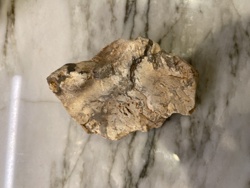
Submitted item photo
Submitted photo · May 22, 2026

User's notes

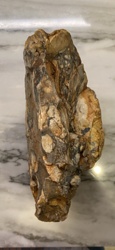
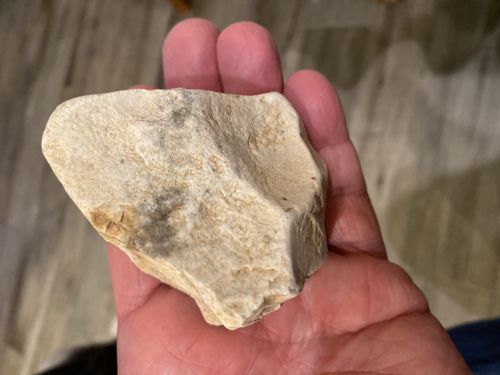
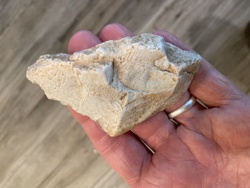
Middle Paleolithic chert scraper hand axe multi tool found in Guthrie OK measuring 3" x 2"

AI analysis below

AI appraisal

AI analysis & estimate

AI-Generated · Verify before acting

Everything below is generated by AI for informational purposes only. AI can make mistakes — the AI may misidentify items or misattribute them (artist, maker, brand, designer, origin, era). This is not an official valuation and should not be used for insurance, sale, tax, estate, legal, or lending purposes — or any decision requiring a certified appraisal. It is not an authoritative claim about any person, brand, or rights holder — do not share or rely on it as a factual statement about a third party. Always consult qualified professionals before making financial decisions.

Note

This analysis also relies on unverified notes provided by the user, which may be incomplete or inaccurate and could affect the result.

Read the full disclaimer

AI Identification

·Not independently authenticated·Verify before acting

Middle Paleolithic Multi-Tool Hand Scraper and Axe

Archaeological Artifacts / Prehistoric Stone Tools

AI Estimated Value

·Not an official valuation·Verify before acting

$450 - $650

As of May 22, 2026

AI Item Analysis

·AI can make mistakes·Verify before acting
This artifact is a lithic multi-tool from the Middle Paleolithic era, specifically identified as a combined scraper and hand axe, measuring approximately 3 inches by 2 inches. The item is crafted from high-quality cream-colored chert, displaying a rugged, triangular geometry that fits ergonomically within the hand. Its physical construction features deliberate unifacial and bifacial flaking along its margins, creating sharp, durable edges suitable for cutting, scraping, or chopping tasks. The surface color is a weathered cream or off-white with distinct areas of dark mineralization and iron oxide staining, which are localized indicators of its long-term deposition in the soil within Guthrie, Oklahoma. Notable features include a prominent bulb of percussion and several negative flake scars that demonstrate skilled knapping techniques characteristic of primitive tool production. The condition appears stable with significant ancient patination; while there is evidence of edge wear consistent with prehistoric use, there is no signs of modern damage or recent fracture. This piece serves as a primary example of pre-Clovis or early North American lithic technology, showcasing the utilitarian craftsmanship of early inhabitants who utilized local mineral resources to create durable, portable survival equipment. Its quality is indicated by the precision of the retouching along the working edge and the overall preservation of the stone's structural integrity.
AI Appraisal Report

·AI can make mistakes·Verify before acting
I have carefully examined the provided images of this 3x2 inch cream-colored chert lithic tool found in Guthrie, Oklahoma. The artifact exhibits classic diagnostic features of North American lithic technology, specifically a multi-tool configuration serving as both a scraper and a hand axe. The presence of a distinct bulb of percussion, negative flake scars, and systematic marginal retouching suggests skillful prehistoric knapping. In my assessment, the condition is excellent; the deep patination, iron oxide staining, and localized mineralization are consistent with long-term soil deposition and are difficult to replicate artificially. Market demand for well-provenanced Midwestern lithics remains steady, with similar multi-tools typically realizing between $400 and $700 depending on the level of aesthetic appeal. The triangular geometry and ergonomic design of this piece make it a desirable example for collectors of indigenous technology. However, I must note that visual inspection alone cannot provide absolute confirmation of authenticity. To achieve a definitive valuation and guarantee, a physical examination is required to verify the absence of modern metal tool marks or recent grinding. Furthermore, detailed provenance documentation, such as find-site coordinates and history of ownership, would be necessary to establish the artifact's scientific context. While no specific scientific testing (such as micro-wear analysis) was performed, the macro-physical evidence suggests a genuine prehistoric origin. Factors that could increase this value include professional documentation of its association with a specific cultural horizon or find-site report.

Get your items appraised

Instant estimates of your treasures with AI-powered appraisals

Browse More Appraisals