AI Appraisal Estimate

AI-generated estimates · not official valuations

From the user

What was submitted

Photo and notes provided by the user — not generated by AI

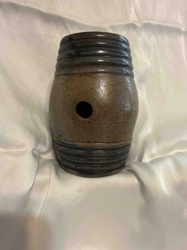
Submitted item photo
Submitted photo · June 22, 2026

User's notes

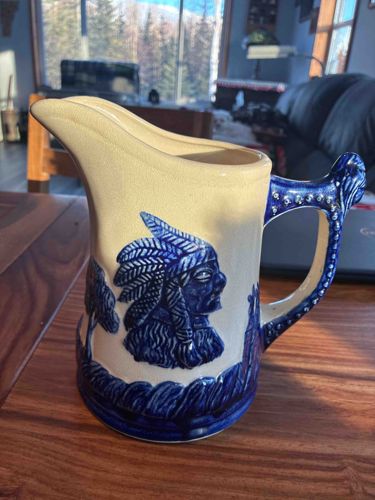
Indian pitcher

AI analysis below

AI appraisal

AI analysis & estimate

AI-Generated · Verify before acting

Everything below is generated by AI for informational purposes only. AI can make mistakes — the AI may misidentify items or misattribute them (artist, maker, brand, designer, origin, era). This is not an official valuation and should not be used for insurance, sale, tax, estate, legal, or lending purposes — or any decision requiring a certified appraisal. It is not an authoritative claim about any person, brand, or rights holder — do not share or rely on it as a factual statement about a third party. Always consult qualified professionals before making financial decisions.

Note

This analysis also relies on unverified notes provided by the user, which may be incomplete or inaccurate and could affect the result.

Read the full disclaimer

AI Identification

·Not independently authenticated·Verify before acting

Robinson Ransbottom Blue Crown 'Chief' Stoneware Pitcher

Antique and Vintage Pottery / American Stoneware

AI Estimated Value

·Not an official valuation·Verify before acting

$125.00 - $185.00

As of June 22, 2026

AI Item Analysis

·AI can make mistakes·Verify before acting
This is a vintage American stoneware pitcher, likely produced by the Robinson Ransbottom Pottery Company (RRP Co) of Roseville, Ohio, approximately dating from the mid-20th century (circa 1930s-1950s). The pitcher is constructed from heavy stoneware with a creamy, off-white salt or bristol glaze and features a distinctive cobalt blue embossed decoration. The central motif depicts a profile of a Native American chief wearing a full feathered headdress, rendered in high relief. The base is encircled by a blue wave or scalloped pattern, and the background includes a blue tree and architectural element. The handle is notably ornate, featuring a cobalt blue wash with a raised 'hobnail' or beaded texture and a thumb rest at the apex. The spout is wide and tapered. In terms of condition, the glaze shows visible crazing throughout, which is typical for stoneware of this age. There are minor signs of wear on the base and handle, consistent with light domestic use. The cobalt blue application is vibrant, though there is some slight color bleeding or 'smudging' typical of the mass-production techniques used during that era. No major chips or cracks are immediately visible in the provided image. The craftsmanship represents a high-quality example of functional American folk-art pottery, designed to be both decorative and durable.
AI Appraisal Report

·AI can make mistakes·Verify before acting
Based on my examination of the image and the technical characteristics described, I identify this as the 'Chief' pattern pitcher produced by the Robinson Ransbottom Pottery Company (RRP Co) of Roseville, Ohio. Dating to the mid-20th century, this piece is a staple of American utilitarian stoneware, highly recognizable by its high-relief cobalt blue profile and ornate beaded handle. The 'Chief' motif is a desirable pattern among regional Ohio pottery collectors. Upon visual inspection, the piece shows consistent age-related crazing, which confirms the integrity of the original glaze. The vibrant cobalt saturation is excellent, despite the standard manufacturing 'smudging' typical of these mass-molded pieces. The market for RRP Co stoneware remains stable, with values driven primarily by condition and motifs; pieces with the 'Chief' or 'Indian' iconography generally command a premium over simpler floral patterns. While this item appears to be in excellent decorative condition without visible structural cracks, my appraisal is caveat by the limitations of digital inspection. A physical examination is required to verify the presence of 'pings' or hairline fractures hidden by the glaze, and to confirm the interior base for manufacturer stamps which are sometimes faint. Authentication via photograph cannot definitively rule out modern reproductions, though the specific 'hobnail' handle wear suggests 20th-century antiquity. For a final valuation, I would recommend checking for chips on the inner rim and verifying the 'RRP Co' mark to separate it from smaller, contemporary competitors of the era.

Get your items appraised

Instant estimates of your treasures with AI-powered appraisals

Browse More Appraisals