AI Appraisal Estimate

AI-generated estimates · not official valuations

From the user

What was submitted

Photo and notes provided by the user — not generated by AI

Submitted item photo
Submitted photo · June 12, 2026

User's notes

No additional notes provided.

AI analysis below

AI appraisal

AI analysis & estimate

AI-Generated · Verify before acting

Everything below is generated by AI for informational purposes only. AI can make mistakes — the AI may misidentify items or misattribute them (artist, maker, brand, designer, origin, era). This is not an official valuation and should not be used for insurance, sale, tax, estate, legal, or lending purposes — or any decision requiring a certified appraisal. It is not an authoritative claim about any person, brand, or rights holder — do not share or rely on it as a factual statement about a third party. Always consult qualified professionals before making financial decisions.

Read the full disclaimer

AI Identification

·Not independently authenticated·Verify before acting

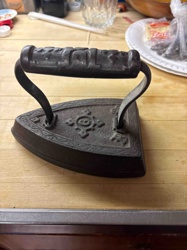
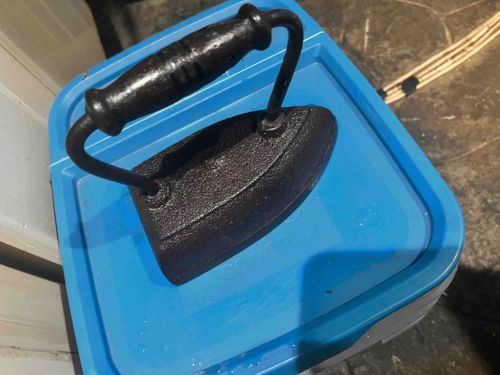
Antique Cast Iron Sad Iron

Antique Domestic Appliances / Ironing Tools

AI Estimated Value

·Not an official valuation·Verify before acting

$15.00 - $25.00

As of June 12, 2026

AI Item Analysis

·AI can make mistakes·Verify before acting
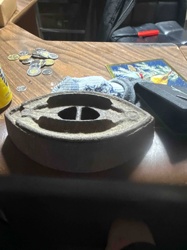
This is a late 19th to early 20th-century antique 'sad iron,' a name derived from the Middle English word 'sad' meaning solid or heavy. The item features a triangular, solid cast-iron base with a pointed nose designed for pressing pleats. A fixed, integrated metal handle is attached via two stanchions; the handle itself is contoured with a thickened center grip and decorative grooves to provide a more ergonomic hold. The entire piece appears to be finished in a black lacquer or paint, which was commonly applied to prevent rust or as a modern restoration. The surface texture is notably pitted and grainy, characteristic of sand-cast iron from the industrial era. At approximately 5 to 6 inches in length, this medium-to-heavyweight tool shows signs of historical use including minor surface irregularities and a thick patina beneath the dark finish. There are no immediately visible maker's marks or numbers on the top of the base, though such stamps were often located on the sole or top cast. The heavy construction and lack of a wooden handle cover suggest it was heated directly on a stove top, requiring the use of a rag or hot pad to handle during operation. Its condition is fair to good, with the integrity of the casting fully intact despite significant surface oxidation under the finish.

AI Appraisal Report

·AI can make mistakes·Verify before acting
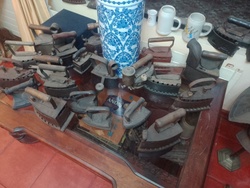
I have examined the provided description and image of the late 19th to early 20th-century antique sad iron. The item displays the expected characteristics of common household pressing tools from the industrial era, including the sand-cast texture and integrated handle. While the casting remains solid, the black finish appears to be a later application or restoration, which often conceals original oxidation or pitting. This reduces the 'original state' value slightly but maintains decorative appeal. Market conditions for common irons of this type are currently saturated. Millions were produced by manufacturers like Enterprise and Dover; without a rare manufacturer’s mark, a detachable handle, or a unique slug-loading feature, these items are frequently found at flea markets and estate sales. Comparables for standard fixed-handle triangular irons typically fall in the $10 to $30 range depending on size and weight. The demand is primarily driven by rustic or farmhouse-style interior decor rather than high-end horological or industrial tool collectors. The lack of visible manufacturer stamps or model numbers further limits its rarity. Factors that could slightly increase the value would be the discovery of a specific star-brand mark or a size number (e.g., '6') cast into the top plate. Note: This appraisal is based on digital visual inspection. Authenticity cannot be fully verified without a physical examination to check for structural cracks hidden by the paint and to determine the weight for specific categorization. A full authentication would require stripping the modern finish to inspect the iron's surface for original manufacturer hallmarks and checking for lead-based pigments in the coating.

Get your items appraised

Instant estimates of your treasures with AI-powered appraisals

Browse More Appraisals