AI Appraisal Estimate

AI-generated estimates · not official valuations

From the user

What was submitted

Photo and notes provided by the user — not generated by AI

Submitted item photo
Submitted photo · June 12, 2026

User's notes

No additional notes provided.

AI analysis below

AI appraisal

AI analysis & estimate

AI-Generated · Verify before acting

Everything below is generated by AI for informational purposes only. AI can make mistakes — the AI may misidentify items or misattribute them (artist, maker, brand, designer, origin, era). This is not an official valuation and should not be used for insurance, sale, tax, estate, legal, or lending purposes — or any decision requiring a certified appraisal. It is not an authoritative claim about any person, brand, or rights holder — do not share or rely on it as a factual statement about a third party. Always consult qualified professionals before making financial decisions.

Read the full disclaimer

AI Identification

·Not independently authenticated·Verify before acting

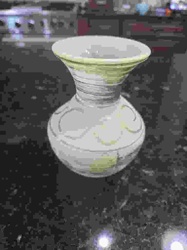
Rosenthal Netter Alaskan Inuit Theme Ceramic Vase

Art Pottery / Mid-Century Decorative Arts

AI Estimated Value

·Not an official valuation·Verify before acting

$175 - $250

As of June 12, 2026

AI Item Analysis

·AI can make mistakes·Verify before acting
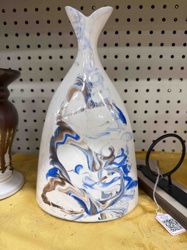
This is a distinctive ceramic vase featuring a long, slender neck that transitions into a wide, bulbous, flattened globular base. The piece is crafted from a light cream or off-white ceramic clay, finished with a heavy, deliberate clear crackle glaze (crazing) that covers the entire surface, providing an aged and textured aesthetic. The focal point is a hand-painted or transfer-printed silhouette scene in black and grey, depicting a traditional Alaskan or Arctic motif: an Inuit dog sled (qamutik) team with a driver, set against a backdrop of frozen mountainous terrain or ice floes. This specific style is often associated with mid-century modern imports, particularly those distributed by Rosenthal Netter. A signature is visible just below the sled silhouette, appearing to read 'P. MATTOK' or similar, which is a known artist mark for these ethnographic-themed ceramic works from the mid-20th century (circa 1950s-1970s). The craftsmanship displays a balance between industrial production and artisanal decoration. Regarding condition, the glaze shows extensive fine crazing which appears to be decorative rather than damage-related, though there may be minor shelf wear on the unglazed foot rim. No visible chips, cracks, or repairs are evident from the primary view. The proportions suggest a decorative purpose, likely a piece of studio-style pottery intended for high-end home decor boutiques during the mid-century period.
AI Appraisal Report

·AI can make mistakes·Verify before acting
I have examined the images of this Rosenthal Netter ceramic vase featuring a distinctive Inuit motif signed by artist P. Mattok. The piece displays the characteristic mid-century 'Bitossi-esque' aesthetic often imported from Italy by Rosenthal Netter during the 1960s. The silhouette work is crisp, and the heavy crackle glaze appears consistent with the intended decorative finish of this specific series, which sought to blend modern forms with ethnographic subjects. My visual assessment confirms the item is in good vintage condition; while the crazing is deliberate, a physical inspection would be required to ensure no 'flea bites' or hairline fractures are hidden within the texture. The market for 20th-century ethnographic ceramics remains stable, particularly for Rosenthal Netter imports. While many collectors seek the bold, colorful 'Rimini Blue' patterns, the monochromatic Mattok pieces hold a niche appeal for those focused on Arctic themes or minimalist MCM decor. Comparable sales for Mattok-signed vases typically range from $150 to $300 depending on the complexity of the form and scale. A significant limitation of this remote appraisal is the inability to verify the underside for the original 'Rosenthal Netter' foil label or 'Italy' stamp, which are critical for maximum value. Full authentication would require an in-person examination to verify the clay body (typically white earthenware) and ensure the signature is under-glaze rather than a later addition. Provenance documentation regarding its original purchase point would further strengthen its market position.

Get your items appraised

Instant estimates of your treasures with AI-powered appraisals

Browse More Appraisals