AI Appraisal Estimate

AI-generated estimates · not official valuations

From the user

What was submitted

Photo and notes provided by the user — not generated by AI

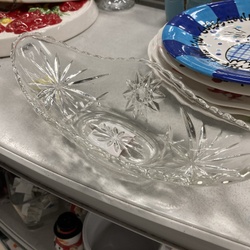
Submitted item photo
Submitted photo · June 6, 2026

User's notes

No additional notes provided.

AI analysis below

AI appraisal

AI analysis & estimate

AI-Generated · Verify before acting

Everything below is generated by AI for informational purposes only. AI can make mistakes — the AI may misidentify items or misattribute them (artist, maker, brand, designer, origin, era). This is not an official valuation and should not be used for insurance, sale, tax, estate, legal, or lending purposes — or any decision requiring a certified appraisal. It is not an authoritative claim about any person, brand, or rights holder — do not share or rely on it as a factual statement about a third party. Always consult qualified professionals before making financial decisions.

Read the full disclaimer

AI Identification

·Not independently authenticated·Verify before acting

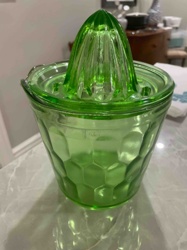
Depression Glass Uranium Refrigerator Dish with Lid

Vintage Glassware / Kitchenalia

AI Estimated Value

·Not an official valuation·Verify before acting

$45-75

As of June 6, 2026

AI Item Analysis

·AI can make mistakes·Verify before acting
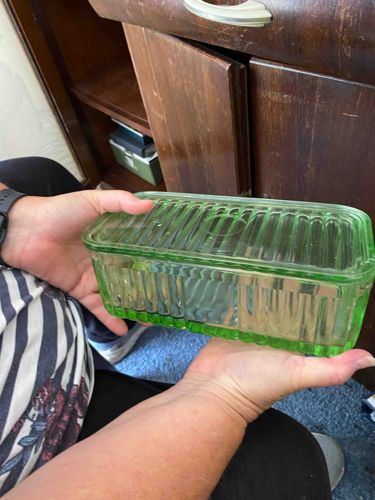
This is a rectangular, covered storage container made of transparent green glass, commonly known as uranium glass or vaseline glass due to its distinctive color and fluorescence under UV light. The piece features a highly textured 'ribbed' or fluted design on both the base and the lid, which was a functional choice to provide grip and hide minor surface scratches. The dish measures approximately 8 to 9 inches in length. The construction is heavy pressed glass, indicative of early 20th-century mass production techniques used during the Great Depression era. The lid is inset, designed to sit flush within the rim of the base for efficient stackability in a refrigerator—a common feature of 'Hoosier' style kitchenware from the 1930s. Notable features include a circular indentation on the top center of the lid, likely where a brand label or sizing stamp would occupy. The condition appears fair to good for its age; while no major cracks are visible in the photo, these utility items often suffer from 'flea bites' or small chips along the inner sealing rim. There is some visible clouding or slight surface wear consistent with decades of kitchen use. This style was popularized by American glass manufacturers like Federal Glass, Hocking Glass, or Hazel-Atlas during the mid-1930s.
AI Appraisal Report

·AI can make mistakes·Verify before acting
Based on my visual examination, this is an authentic ribbed refrigerator dish, likely produced by the Federal Glass Company or Hazel-Atlas during the mid-1930s. The distinctive transparent green hue is characteristic of uranium glass, which contains small amounts of uranium oxide, giving it that classic vibrant look and expected fluorescence under blacklight. The heavy pressed construction and ribbed 'fluted' pattern were hallmarks of utility glass from the Great Depression era designed for durability and stacking in early electric refrigerators. Condition is the primary value driver here. The item appears to be in fair-to-good condition; however, I note visible surface wear and slight clouding, suggesting etching from dishwasher use or hard water, which is permanent and lowers desirability. The most critical area for these dishes is the inner rim of the lid and base, notorious for 'flea bite' chips. While major cracks are absent in the image, physical inspection is required to confirm the roughness of the edges. The market for Depression glass remains active but selective. While 'kitchenalia' collectors value these functional pieces, the ribbed storage jars are relatively common compared to rarer patterns like 'Princess' or 'Cameo.' Current comparables for similar 8-inch covered dishes generally sell between $45 and $75, with pristine examples reaching slightly higher. To provide a definitive valuation, I would need to test the piece with a Geiger counter or UV light to confirm uranium content and run my fingers along the rims to detect chips not visible in photographs.
Get your items appraised

Instant estimates of your treasures with AI-powered appraisals

Browse More Appraisals