2000 Sacagawea Golden Dollar
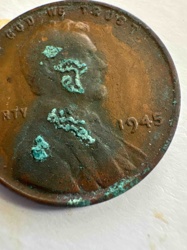
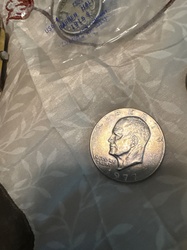
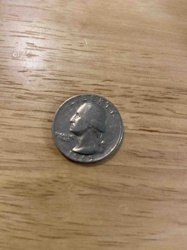
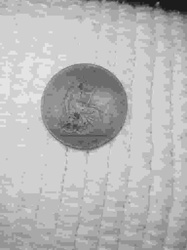
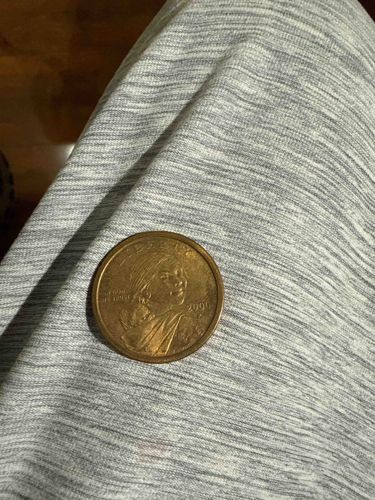
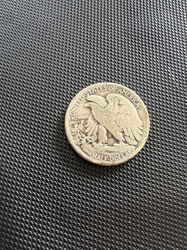
This is a United States one-dollar coin known as the Sacagawea Dollar, dated 2000. It is composed of a copper core clad in manganese brass, which gives the coin its characteristic golden-bronze appearance. The obverse side shown features the profile of Sacagawea carrying her infant son, Jean Baptiste Charbonneau, designed by sculptor Glenna Goodacre. The coin measures 26.5 mm in diameter with a weight of 8.1 grams and features a smooth edge. Notably, the inscription 'LIBERTY' is visible at the top, 'IN GOD WE TRUST' to the left, and the year '2000' to the right of the portrait. This specific specimen exhibits a significant level of circulation wear and surface environmental damage. The original luster is largely absent, replaced by a dark, uneven brown patina and mottled oxidation across both the fields and the relief. There are several small nicks and rim bruises visible, consistent with heavy use in commerce. While millions of these were minted in 2000 at the Philadelphia (P) and Denver (D) mints, this example shows substantial degradation from its original 'Gem' state, indicating it has spent significant time in a high-moisture or acidic environment which has tarnished the manganese-brass alloy.
AI-Generated Appraisal Disclaimer
Estimated Value
$1.00
Basic Information
Category
Numismatics / US Coins
Appraised On
January 11, 2026
Estimated Value
$1.00
Additional Details Provided By Owner
User Provided Information
Coin
Item Description
This is a United States one-dollar coin known as the Sacagawea Dollar, dated 2000. It is composed of a copper core clad in manganese brass, which gives the coin its characteristic golden-bronze appearance. The obverse side shown features the profile of Sacagawea carrying her infant son, Jean Baptiste Charbonneau, designed by sculptor Glenna Goodacre. The coin measures 26.5 mm in diameter with a weight of 8.1 grams and features a smooth edge. Notably, the inscription 'LIBERTY' is visible at the top, 'IN GOD WE TRUST' to the left, and the year '2000' to the right of the portrait. This specific specimen exhibits a significant level of circulation wear and surface environmental damage. The original luster is largely absent, replaced by a dark, uneven brown patina and mottled oxidation across both the fields and the relief. There are several small nicks and rim bruises visible, consistent with heavy use in commerce. While millions of these were minted in 2000 at the Philadelphia (P) and Denver (D) mints, this example shows substantial degradation from its original 'Gem' state, indicating it has spent significant time in a high-moisture or acidic environment which has tarnished the manganese-brass alloy.
Related Tags
Get Your Items Appraised
Instant estimates of your treasures with AI-powered instant appraisals