AI Appraisal Estimate

AI-generated estimates · not official valuations

From the user

What was submitted

Photo and notes provided by the user — not generated by AI

Submitted item photo
Submitted photo · June 3, 2026

User's notes

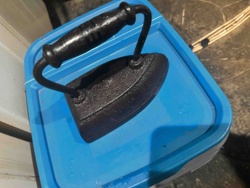
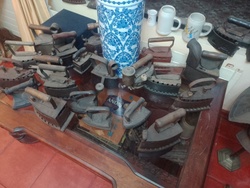
Cast iron clothing iron

AI analysis below

AI appraisal

AI analysis & estimate

AI-Generated · Verify before acting

Everything below is generated by AI for informational purposes only. AI can make mistakes — the AI may misidentify items or misattribute them (artist, maker, brand, designer, origin, era). This is not an official valuation and should not be used for insurance, sale, tax, estate, legal, or lending purposes — or any decision requiring a certified appraisal. It is not an authoritative claim about any person, brand, or rights holder — do not share or rely on it as a factual statement about a third party. Always consult qualified professionals before making financial decisions.

Note

This analysis also relies on unverified notes provided by the user, which may be incomplete or inaccurate and could affect the result.

Read the full disclaimer

AI Identification

·Not independently authenticated·Verify before acting

Antique Cast Iron Sad Iron with Decorative Scrollwork

Antique Domestic Appliances / Housewares

AI Estimated Value

·Not an official valuation·Verify before acting

$45.00-$65.00

As of June 3, 2026

AI Item Analysis

·AI can make mistakes·Verify before acting
This is a significant example of a late 19th-century 'sad iron,' constructed entirely of heavy cast iron. The artifact features a classic triangular soleplate with a beveled edge, measuring approximately 5 to 6 inches in length. The top surface is notable for its intricate relief casting, showcasing a central geometric medallion or quatrefoil motif flanked by a decorative scrolled border that follows the iron's perimeter. The handle is integrated via two upright curved pillars and features a textured, molded grip designed to improve handling during use. The entire piece is finished in a dark, oxidized charcoal-to-brown patina consistent with seasoned cast iron. Its heavy, solid construction was designed to retain heat after being placed on a stove or hearth. Regarding condition, the iron displays significant surface texture indicative of age and past oxidation, though it remains structurally sound with no visible cracks or heavy pitting. The craftsmanship is typical of industrial age household goods, where decorative elements were often added to utilitarian objects to increase their domestic appeal. This style of iron was common from the 1870s through the early 1900s before the widespread adoption of removable wooden handles.
AI Appraisal Report

·AI can make mistakes·Verify before acting
I have virtually examined this Antique Cast Iron Sad Iron, dating approximately to the period of 1880–1905. The object reflects the typical Victorian-era aesthetic where utilitarian household items were embellished with decorative relief. The central quatrefoil motif and scrolled border lifting indicate a higher level of craftsmanship than standard plain models, suggesting it was marketed as a 'deluxe' household tool in its time. Condition-wise, the iron shows a stable, aged patina. The surface oxidation is consistent with its age and material; however, the lack of deep pitting suggests it has been stored in a relatively dry environment. The integral handle remains structurally sound. From a market perspective, sad irons are plentiful, but pieces with distinct decorative patterns like this one command a modest premium over basic flat irons. Comparables for common decorative cast irons typically hammer at $30–$50 at regional auctions, with retail prices slightly higher for well-preserved examples. Factors limiting value include the immense mass-production of these items and the lack of a specific maker's mark or patent date, which often increases desirability for specialized collectors. Furthermore, while the visual evidence strongly suggests late 19th-century origin, I must note that authenticating cast iron via digital imagery has limitations. A physical inspection is required to check for 'cold pours' or casting seams that might indicate a modern reproduction. To fully verify its provenance, I would look for faint foundry marks on the underside of the handle or specific casting characteristics unique to known manufacturers like Enterprise or North Bros. Nevertheless, based on the wear patterns and casting depth, I am confident in its status as a genuine domestic artifact.

Get your items appraised

Instant estimates of your treasures with AI-powered appraisals

Browse More Appraisals