AI Appraisal Estimate

AI-generated estimates · not official valuations

From the user

What was submitted

Photo and notes provided by the user — not generated by AI

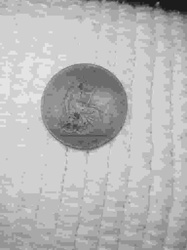
Submitted item photo
Submitted photo · June 10, 2026

User's notes

1 ounce silver

AI analysis below

AI appraisal

AI analysis & estimate

AI-Generated · Verify before acting

Everything below is generated by AI for informational purposes only. AI can make mistakes — the AI may misidentify items or misattribute them (artist, maker, brand, designer, origin, era). This is not an official valuation and should not be used for insurance, sale, tax, estate, legal, or lending purposes — or any decision requiring a certified appraisal. It is not an authoritative claim about any person, brand, or rights holder — do not share or rely on it as a factual statement about a third party. Always consult qualified professionals before making financial decisions.

Note

This analysis also relies on unverified notes provided by the user, which may be incomplete or inaccurate and could affect the result.

Read the full disclaimer

AI Identification

·Not independently authenticated·Verify before acting

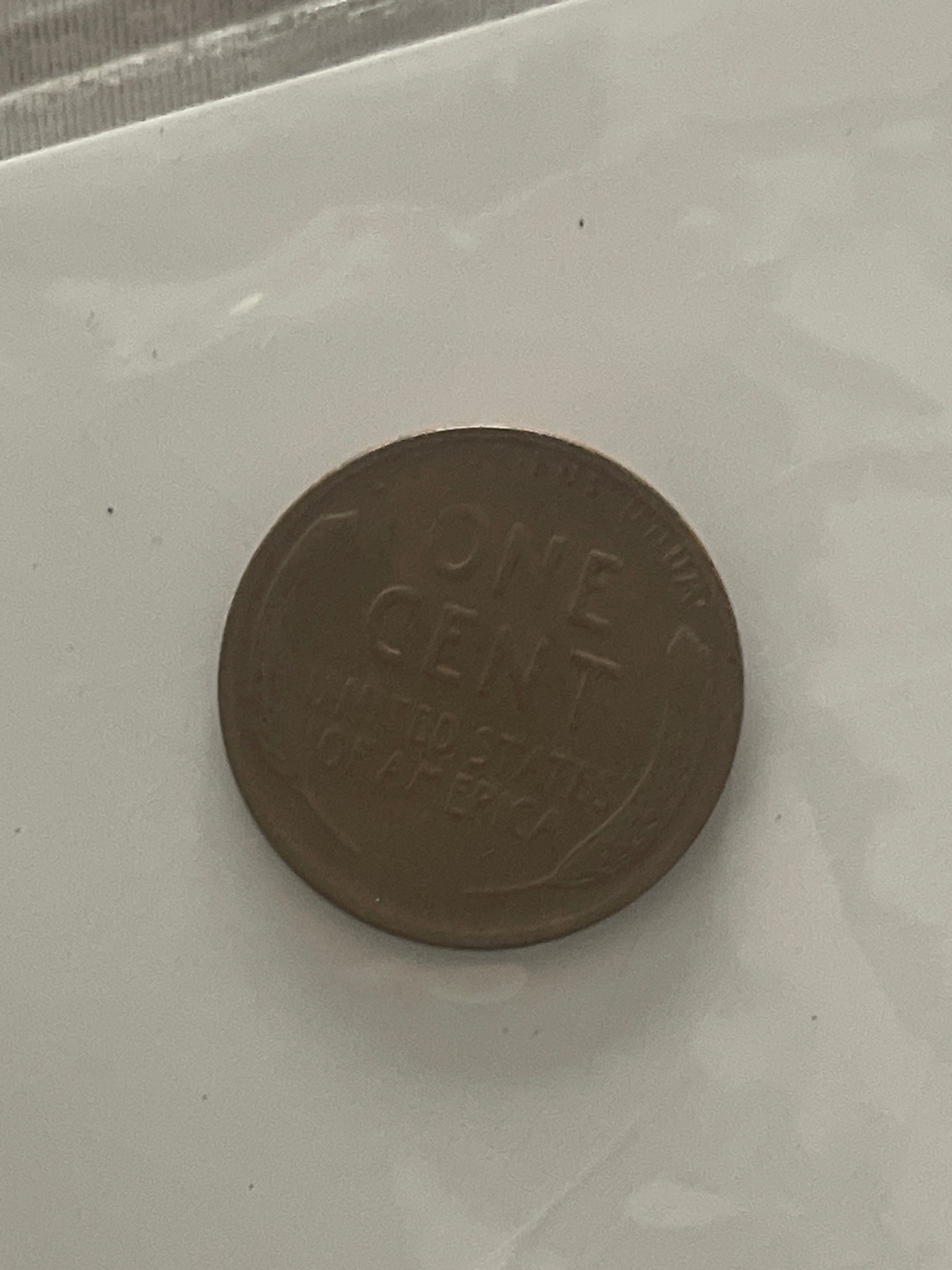
United States Wheat Cent (Lincoln Penny Reverse)

Numismatics / US Coins

AI Estimated Value

·Not an official valuation·Verify before acting

$0.02 - $0.10

As of June 10, 2026

AI Item Analysis

·AI can make mistakes·Verify before acting
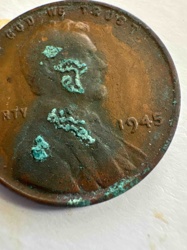
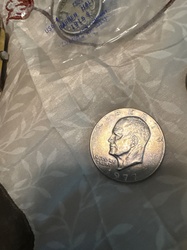
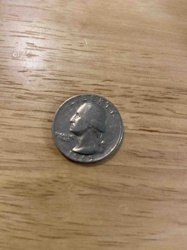
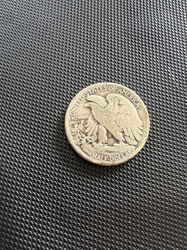
This item is the reverse side of a United States one-cent coin, commonly known as a 'Wheat Cent' or 'Wheat Penny.' This specific design was produced by the U.S. Mint between 1909 and 1958. The reverse features the denomination 'ONE CENT' in large, bold font in the center, with 'UNITED STATES OF AMERICA' inscribed directly below it. Framing these central inscriptions are two stylized stalks of wheat along the left and right rims, which gave the coin its nickname. At the top curvature, the national motto 'E PLURIBUS UNUM' is visible. Although the provided context mentions '1 ounce silver,' this imagery is characteristic of a standard copper-alloy penny (95% copper, 5% tin/zinc). The coin displays a significant dark brown patina consistent with long-term circulation and oxidation of copper. The condition appears to be 'Good' to 'Very Good' in numismatic terms; the lettering remains legible, but the finer details of the wheat lines and the rims show substantial wear and flattening. There are no immediate visible mint marks (which appear on the obverse) or rare error indicators in this view. The craftsmanship reflects the classic Victor David Brenner design, representing a mid-20th-century American currency staple.
AI Appraisal Report

·AI can make mistakes·Verify before acting
Based on my examination of the provided imagery, I have evaluated the reverse side of what appears to be a United States Lincoln 'Wheat' Cent, a design struck between 1909 and 1958. The coin exhibits a deep brown patina and substantial wear on the wheat ears and lettering, consistent with a numismatic grade of Good (G) to Very Good (VG). I must immediately address the owner’s supplementary detail claiming this piece is '1 ounce silver.' Visually, the coin displays the unmistakable oxidation and color of an authentic circulated copper-alloy cent (95% copper). Furthermore, a standard wheat cent weighs approximately 3.11 grams, far short of one troy ounce. Unless this is an oversized, aftermarket silver bullion round intentionally artificially toned brown—which is highly unlikely given the exact wear patterns—the claim of it being 1 ounce of silver is incorrect. As a standard circulated wheat cent, it is extraordinarily common. Because only the reverse is visible, I cannot determine the date or mint mark, which are crucial for identifying rare key dates (e.g., 1909-S VDB, 1914-D). Assuming it is a common date, the market value for a Wheat Cent in this condition is strictly nominal, typically between 2 to 10 cents to a collector. Please note that this appraisal relies entirely on visual evidence from a photograph. To conclusively dispel the '1 ounce silver' claim and identify any potential rare variety, a physical examination including weighing, a metallurgical test, and an inspection of the obverse (front) must be conducted.

Get your items appraised

Instant estimates of your treasures with AI-powered appraisals

Browse More Appraisals