Paleo-Indian Chert Scraper Multi-Tool
Prehistoric Artifacts / Native American Lithics

Paleo-Indian Chert Scraper Multi-Tool

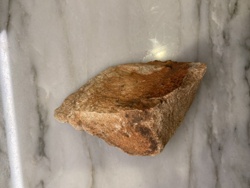
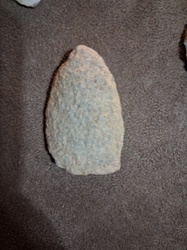
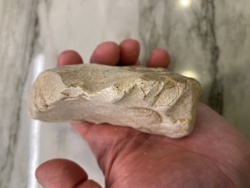
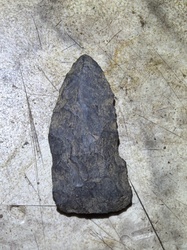
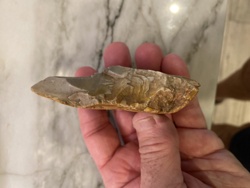
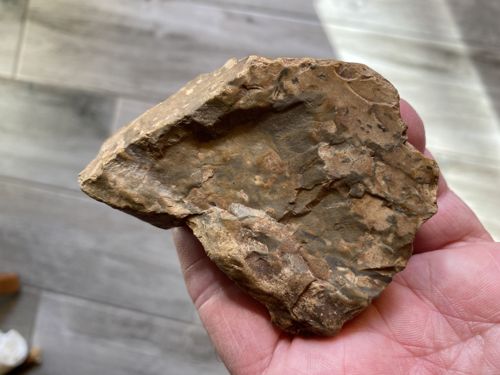
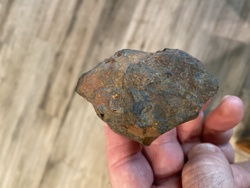
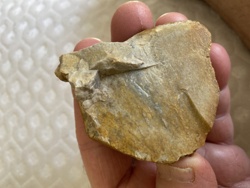
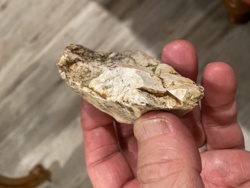
This is a lithic artifact measuring approximately 3.5 inches by 3.0 inches, identified as a multi-purpose scraper tool typical of the Paleo-Indian period. The item is fashionedจาก high-quality chert, displaying a variegated earthen palette of tan, ochre, and deep brown with visible mineral inclusions and darker speckling throughout the stone's matrix. Its primary physical characteristic is a robust, semi-ovoid shape with a flat ventral surface and a steeply flaked dorsal face, facilitating a secure grip for heavy-duty scraping tasks. The edges show evidence of intentional unifacial retouching, a hallmark of prehistoric tool manufacture. Notable features include multiple worked concavities that likely served as spokeshaves for smoothing arrow shafts or bone needles, alongside a prominent distal scraping edge. Condition-wise, the artifact exhibits significant ancient patina and softening of the flake scars due to long-term soil exposure, though it remains structurally sound with no modern fractures. The craftsmanship is evident in the strategic removal of flakes to balance ergonomic comfort with a durable cutting edge. Originating from Guthrie, Oklahoma, this piece represents a highly functional example of mobile hunter-gatherer technology, likely dating back over 10,000 years to the earliest inhabitants of the North American Plains.
Estimated Value

$150.00 - $250.00

Basic Information

Category

Prehistoric Artifacts / Native American Lithics

Appraised On

February 19, 2026

Estimated Value

$150.00 - $250.00

Additional Details Provided By Owner

User Provided Information

Paleo Indian chert scraper multi tool found in Guthrie OK measuring 3.5" x 3.0

Item Description

This is a lithic artifact measuring approximately 3.5 inches by 3.0 inches, identified as a multi-purpose scraper tool typical of the Paleo-Indian period. The item is fashionedจาก high-quality chert, displaying a variegated earthen palette of tan, ochre, and deep brown with visible mineral inclusions and darker speckling throughout the stone's matrix. Its primary physical characteristic is a robust, semi-ovoid shape with a flat ventral surface and a steeply flaked dorsal face, facilitating a secure grip for heavy-duty scraping tasks. The edges show evidence of intentional unifacial retouching, a hallmark of prehistoric tool manufacture. Notable features include multiple worked concavities that likely served as spokeshaves for smoothing arrow shafts or bone needles, alongside a prominent distal scraping edge. Condition-wise, the artifact exhibits significant ancient patina and softening of the flake scars due to long-term soil exposure, though it remains structurally sound with no modern fractures. The craftsmanship is evident in the strategic removal of flakes to balance ergonomic comfort with a durable cutting edge. Originating from Guthrie, Oklahoma, this piece represents a highly functional example of mobile hunter-gatherer technology, likely dating back over 10,000 years to the earliest inhabitants of the North American Plains.
Get Your Items Appraised

Instant estimates of your treasures with AI-powered instant appraisals

Browse More Appraisals