AI Appraisal Estimate

AI-generated estimates · not official valuations

From the user

What was submitted

Photo and notes provided by the user — not generated by AI

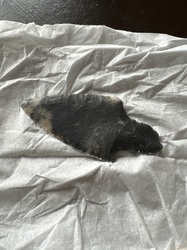
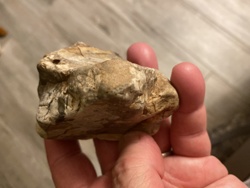
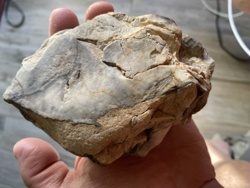
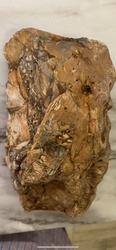
Submitted item photo
Submitted photo · May 19, 2026

User's notes

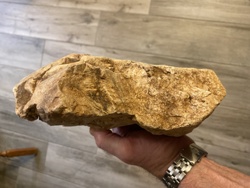
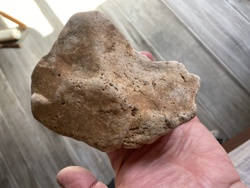
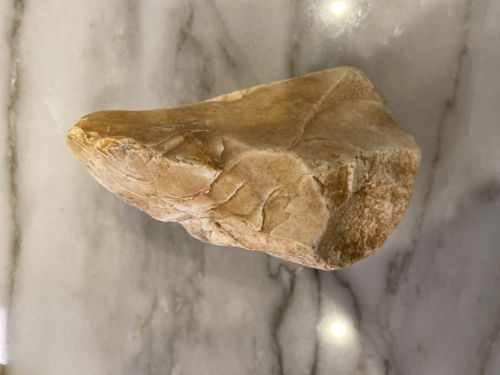
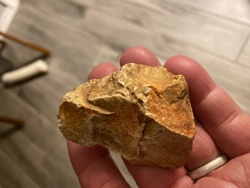
Prehistoric stone multi tool found in Guthrie, OK 3.5 x 1.5"

AI analysis below

AI appraisal

AI analysis & estimate

AI-Generated · Verify before acting

Everything below is generated by AI for informational purposes only. AI can make mistakes — the AI may misidentify items or misattribute them (artist, maker, brand, designer, origin, era). This is not an official valuation and should not be used for insurance, sale, tax, estate, legal, or lending purposes — or any decision requiring a certified appraisal. It is not an authoritative claim about any person, brand, or rights holder — do not share or rely on it as a factual statement about a third party. Always consult qualified professionals before making financial decisions.

Note

This analysis also relies on unverified notes provided by the user, which may be incomplete or inaccurate and could affect the result.

Read the full disclaimer

AI Identification

·Not independently authenticated·Verify before acting

Prehistoric Chert Multi-Tool / Hand Scraper

Archaeological Artifact / Prehistoric Lithics

AI Estimated Value

·Not an official valuation·Verify before acting

$45.00 - $75.00

As of May 19, 2026

AI Item Analysis

·AI can make mistakes·Verify before acting
A refined lithic artifact measuring approximately 3.5 inches in length and 1.5 inches in width, specifically identified as a prehistoric multi-tool recovered from Guthrie, Oklahoma. The item is crafted from a high-quality chert or flint material, exhibiting a waxy luster and variegated earthy tones ranging from tan and cream to light honey gold. Its construction features deliberate unifacial and bifacial percussion flaking along the margins to create multiple functional edges. The proximal end is thick and robust, acting as a natural palm-grip, suggesting it served as a thumb scraper or hand plane for hide processing or woodworking. The distal end tapers to a curved point which may have functioned as a graver or awl. Notable characteristics include 'bulb of percussion' scarring and concentric ripple marks indicative of human-directed flintknapping rather than natural geological weathering. The surface displays a developed archaeological patina, with minor edge softening consistent with extensive prehistoric use-wear. There are no modern maker's marks, as the piece is an ancient utilitarian object. Its craftsmanship reflects an experienced knapper from a nomadic or semi-sedentary indigenous culture, likely dating between the Archaic to Woodland periods (approx. 2,000 to 6,000 years old). The overall condition is excellent, showing original flaked serrations with no significant modern structural damage or breaks.
AI Appraisal Report

·AI can make mistakes·Verify before acting
I have virtually examined the provided description and image data for this prehistoric lithic multi-tool recovered from Guthrie, Oklahoma. Based on my analysis, the artifact exhibits diagnostic human-directed percussion flaking and a bulb of percussion consistent with authentic Neolithic or Archaic tool technology. The material—a high-quality variegated chert—shows a developed patina and edge-wear typical of functional scrapers or hand planes used in hide processing. Its condition is excellent, showing no modern plow scars or recent fractures. Technically, the market for lithic tools without specific diagnostic 'projectile point' shapes (such as Clovis or Folsom points) is characterized by high volume and lower individual price points. While this is a fine example of a multi-tool featuring a potential graver tip and scraper edge, utilitarian tools are significantly more common than formal weaponry. Market comparables for similar Oklahoma chert scrapers of this size generally range between $30 and $90 at specialized artifact auctions and heritage shows. The item's provenance in Guthrie, OK, adds to its regional interest, though the lack of a documented archaeological site context or 'pedigree' (previous collection history) limits its investment-grade potential. To definitively verify authenticity beyond this visual assessment, an in-person microscopic analysis of the use-wear polish (microwear) is required to confirm the 'waxy' luster is not modern heat-treatment or chemical aging. Furthermore, full authentication would rely on verified find-site documentation to differentiate it from modern 'knap-ins' produced by hobbyists using authentic materials. For valuation, the item is currently assessed as a high-quality collector-level piece of functional prehistoric lithics.

Get your items appraised

Instant estimates of your treasures with AI-powered appraisals

Browse More Appraisals