AI Appraisal Estimate

AI-generated estimates · not official valuations

From the user

What was submitted

Photo and notes provided by the user — not generated by AI

Submitted item photo
Submitted photo · June 13, 2026

User's notes

No additional notes provided.

AI analysis below

AI appraisal

AI analysis & estimate

AI-Generated · Verify before acting

Everything below is generated by AI for informational purposes only. AI can make mistakes — the AI may misidentify items or misattribute them (artist, maker, brand, designer, origin, era). This is not an official valuation and should not be used for insurance, sale, tax, estate, legal, or lending purposes — or any decision requiring a certified appraisal. It is not an authoritative claim about any person, brand, or rights holder — do not share or rely on it as a factual statement about a third party. Always consult qualified professionals before making financial decisions.

Read the full disclaimer

AI Identification

·Not independently authenticated·Verify before acting

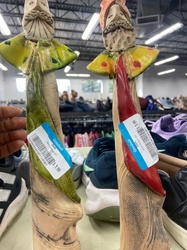
Folk Art Hand-Painted Rail Spike Bust

Folk Art & Collectibles

AI Estimated Value

·Not an official valuation·Verify before acting

$175 - $250

As of June 13, 2026

AI Item Analysis

·AI can make mistakes·Verify before acting
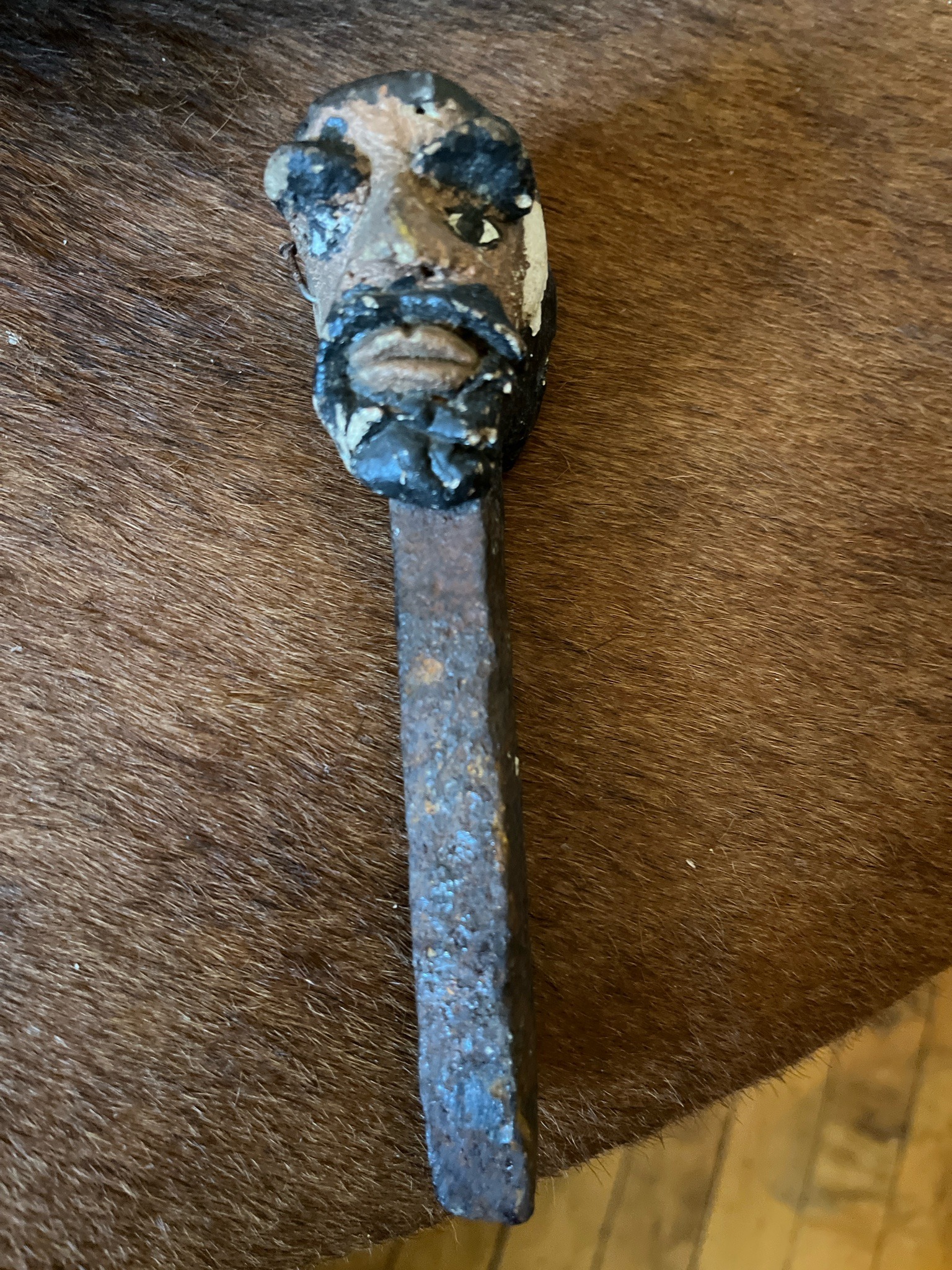
This unique piece of American folk art features a hand-sculpted and painted bust atop a vintage wrought iron railroad spike. The head is fashioned from an unidentified composite material, possibly putty, plaster, or clay, expertly molded onto the head of the spike. It depicts a male figure with a prominent mustache and beard, painted in a palette of black, white, and earthy brown tones. The character exhibits a naive yet expressive style, characteristic of 20th-century tramp art or outsider art traditions. The metal spike itself shows a heavy, dark rusted patina with pitting and age-related oxidation, indicating significant age, likely dating the base material to the late 19th or early 20th century. The painted portion displays craquelure and minor paint loss, particularly on the white highlights and the surface of the beard, revealing the base material beneath. No visible artist signatures are present, which is common for this genre of utilitarian-object appropriation. The craftsmanship reflects a raw, personal creative impulse, transforming a mass-produced industrial fastener into a singular decorative object. It measures approximately six to seven inches in length and retains the characteristic square-tapered shape of a standard hand-forged or early machine-cut rail spike.
AI Appraisal Report

·AI can make mistakes·Verify before acting
I have carefully examined the Folk Art Hand-Painted Rail Spike Bust through high-resolution imagery. This piece exhibits classic characteristics of American Outsider Art, specifically the 'tramp art' tradition of repurposing industrial refuse into expressive portraiture. The contrast between the heavy oxidation of the late 19th-century railway spike and the delicate, albeit naive, application of the composite material head is striking. The craquelure and minor pigment loss suggest the paint has aged naturally over several decades, rather than being a contemporary 'distressed' imitation. The market for anonymous folk art remains steady, driven by collectors who value tactile history and unique aesthetics over brand names. Comparables for 'spike art' typically range from $75 for crude examples to $400 for pieces with documented provenance or verified artist signatures. The detail in the facial hair and the expressive quality of the features place this in the mid-to-upper tier of the genre. However, there are limitations to this digital appraisal. Without physical inspection, I cannot confirm the density or specific chemical makeup of the 'putty' head, which is vital for dating the piece precisely. In-person examination under UV light would be required to detect any modern restoration or non-period-appropriate pigments. Furthermore, written provenance linking the item to a specific railroad region or known outsider artist circle would significantly increase the valuation. Scientific testing, such as a micro-chemical test for lead-based pigments, would lend further weight to the presumed mid-20th-century origin of the painted elements.

Get your items appraised

Instant estimates of your treasures with AI-powered appraisals

Browse More Appraisals