Paleolithic Bifacial Chert Multi-Tool
Lithic Artifacts / Archaeological Tools

Paleolithic Bifacial Chert Multi-Tool

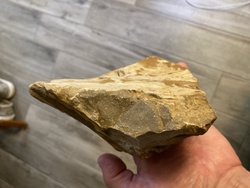
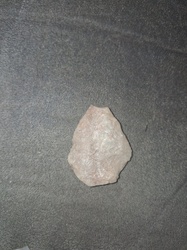
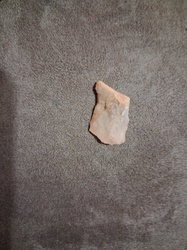
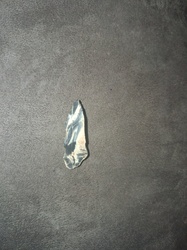
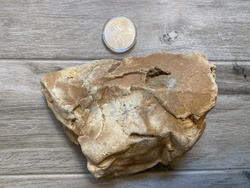
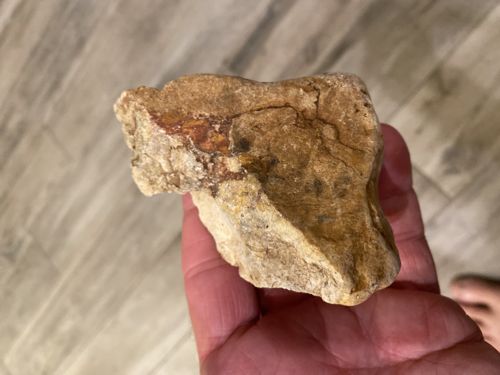
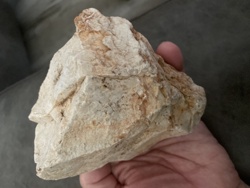
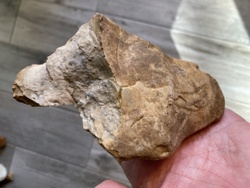
This artifact is a Paleolithic-style bifacial hand axe and scraper multi-tool, measuring approximately 2.5 inches by 2.5 inches. It is crafted from a non-homogeneous chert common to the Oklahoma region, exhibiting a rich palette of earth tones including ochre, tan, and reddish-brown oxide staining. The tool features significant bifacial reduction, where material has been flaked from both sides to create a functional cutting and scraping edge. Its compact, roughly triangular geometry suggests it was designed for handheld use, fitting comfortably in the palm for varied tasks such as hide preparation, butchery, or percussion work. The surface shows heavy patination consistent with long-term environmental exposure, though the primary flake scars remain visible, indicating intentional lithic reduction rather than natural weathering. There are visible step-fractures and hinge-terminations along the perimeter, demonstrating the knapper's effort to maintain the edge. The presence of iron-oxide staining and mineral encrustations suggest it was recovered from a sub-surface or riparian context. While the piece lacks modern maker marks, its form follows traditional prehistoric debitage patterns. Overall condition is stable with expected edge wear and dulling associated with ancient utilization.
Estimated Value

$45 - $85

Basic Information

Category

Lithic Artifacts / Archaeological Tools

Appraised On

February 19, 2026

Estimated Value

$45 - $85

Additional Details Provided By Owner

User Provided Information

Paleolithic chert bi face hand axe scraper multi tool found in Guthrie, OK measuring 2.5" x 2.5"

Item Description

This artifact is a Paleolithic-style bifacial hand axe and scraper multi-tool, measuring approximately 2.5 inches by 2.5 inches. It is crafted from a non-homogeneous chert common to the Oklahoma region, exhibiting a rich palette of earth tones including ochre, tan, and reddish-brown oxide staining. The tool features significant bifacial reduction, where material has been flaked from both sides to create a functional cutting and scraping edge. Its compact, roughly triangular geometry suggests it was designed for handheld use, fitting comfortably in the palm for varied tasks such as hide preparation, butchery, or percussion work. The surface shows heavy patination consistent with long-term environmental exposure, though the primary flake scars remain visible, indicating intentional lithic reduction rather than natural weathering. There are visible step-fractures and hinge-terminations along the perimeter, demonstrating the knapper's effort to maintain the edge. The presence of iron-oxide staining and mineral encrustations suggest it was recovered from a sub-surface or riparian context. While the piece lacks modern maker marks, its form follows traditional prehistoric debitage patterns. Overall condition is stable with expected edge wear and dulling associated with ancient utilization.

Get Your Items Appraised

Instant estimates of your treasures with AI-powered instant appraisals

Browse More Appraisals