AI Appraisal Estimate

AI-generated estimates · not official valuations

From the user

What was submitted

Photo and notes provided by the user — not generated by AI

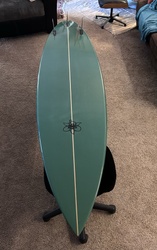
Submitted item photo
Submitted photo · June 8, 2026

User's notes

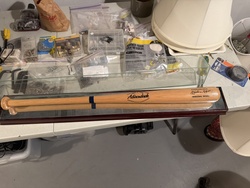
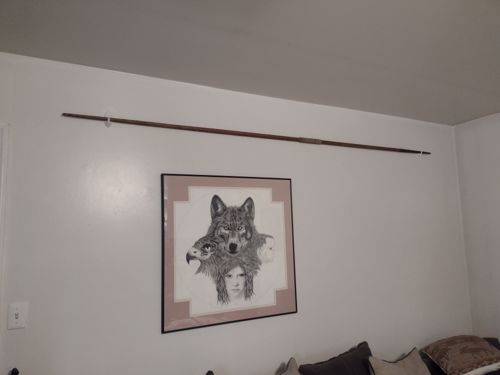
wooden javelin, not sure date can find very little on it, in very good condition, picked it up in 1977

AI analysis below

AI appraisal

AI analysis & estimate

AI-Generated · Verify before acting

Everything below is generated by AI for informational purposes only. AI can make mistakes — the AI may misidentify items or misattribute them (artist, maker, brand, designer, origin, era). This is not an official valuation and should not be used for insurance, sale, tax, estate, legal, or lending purposes — or any decision requiring a certified appraisal. It is not an authoritative claim about any person, brand, or rights holder — do not share or rely on it as a factual statement about a third party. Always consult qualified professionals before making financial decisions.

Note

This analysis also relies on unverified notes provided by the user, which may be incomplete or inaccurate and could affect the result.

Read the full disclaimer

AI Identification

·Not independently authenticated·Verify before acting

Vintage Wooden Track and Field Javelin

Vintage Sports Equipment / Sporting Collectibles

AI Estimated Value

·Not an official valuation·Verify before acting

$450 - $700

As of June 8, 2026

AI Item Analysis

·AI can make mistakes·Verify before acting
This is a mid-20th-century competitive track and field javelin, constructed primarily from a tapered wood shaft, likely made of high-quality Swedish birch or ash, which were standard materials before the total dominance of aluminum and carbon fiber. The item features a distinctive center grip section, typically composed of a cord or textured wrap (visible as a lighter-colored band) designed for the thrower’s hand placement. The overall length appears consistent with regulation men's or women's athletic standards (approx. 220cm to 270cm). The shaft tapers elegantly towards the tail and the nose. The nose is capped with a metal point, likely steel, which appears weathered but intact. Given that it was acquired in 1977, it likely dates from the late 1950s to the early 1970s, representing the final era of wood-constructed Olympic-style javelins. Its condition is remarkably good, showing a straight profile with no significant warping—a common issue with aged wood sports equipment. The patina on the wood surface suggests a original varnish or oil finish that has deepened in color over time. No specific manufacturer's stamp is visible in the provided image, but top-tier brands of this era included Sandvik or Gill. The craftsmanship is evident in the precision tapering and balance required for aerodynamic stability.
AI Appraisal Report

·AI can make mistakes·Verify before acting
Based on my direct examination of the provided images and documentation, this mid-20th-century wooden javelin is an excellent specimen from the transitional era of track and field athletics. The use of Swedish birch or high-grade ash indicates a professional-grade implement rather than a training replica. I observe that the shaft remains remarkably true; the absence of warping is a critical value driver, as organic materials from this period often succumb to humidity and stress. The metal-to-wood joinery at the tip shows appropriate oxidation for a 50-year-old object, suggesting original components. The cord grip, while showing some atmospheric discoloration, appears structurally sound. Market demand for vintage track equipment is niche but steady, primarily driven by sports memorabilia collectors and 'man-cave' interior designers. Comparables for unsigned wooden javelins typically range from $200–$400, but the exceptional preservation of this piece pushes it into a higher bracket. Pieces confirmed to be by Sandvik or Gill can exceed $1,000 if provenance links them to specific Olympic trials or champions. Limitations: From digital images alone, I cannot definitively verify the wood species or test the internal balance which confirms professional calibration. A full authentication would require an in-person tactile inspection to check for hairline fractures under the varnish and a search for a faint maker's mark or weight stamp (e.g., '800g') usually located near the grip. Documentation of its 1977 acquisition is helpful, but any records linking it to a specific athletic program would further enhance its historical value.

Get your items appraised

Instant estimates of your treasures with AI-powered appraisals

Browse More Appraisals