AI Appraisal Estimate

AI-generated estimates · not official valuations

From the user

What was submitted

Photo and notes provided by the user — not generated by AI

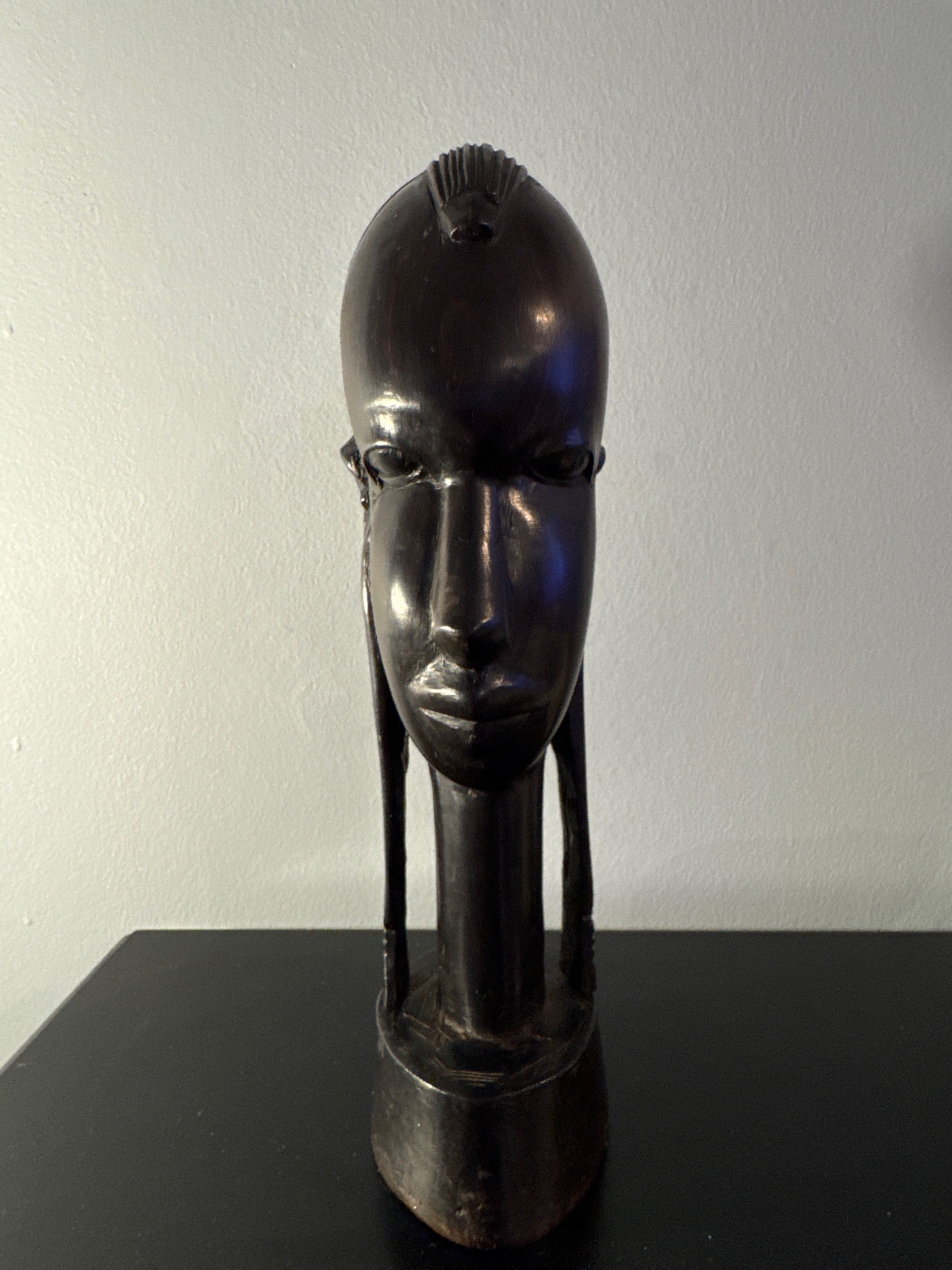
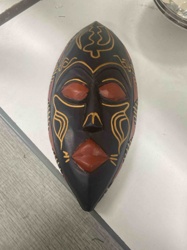
Submitted item photo
Submitted photo · June 20, 2026

User's notes

No additional notes provided.

AI analysis below

AI appraisal

AI analysis & estimate

AI-Generated · Verify before acting

Everything below is generated by AI for informational purposes only. AI can make mistakes — the AI may misidentify items or misattribute them (artist, maker, brand, designer, origin, era). This is not an official valuation and should not be used for insurance, sale, tax, estate, legal, or lending purposes — or any decision requiring a certified appraisal. It is not an authoritative claim about any person, brand, or rights holder — do not share or rely on it as a factual statement about a third party. Always consult qualified professionals before making financial decisions.

Read the full disclaimer

AI Identification

·Not independently authenticated·Verify before acting

East African Makonde Style Ebony Wood Bust

Art & Collectibles / African Tribal Art

AI Estimated Value

·Not an official valuation·Verify before acting

$150 - $250

As of June 20, 2026

AI Item Analysis

·AI can make mistakes·Verify before acting
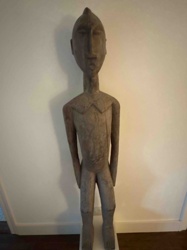
This is a hand-carved bust sculptural head, likely crafted from African blackwood (ebony) or a similarly dense, dark hardwood. The piece is characteristic of the Makonde style from East Africa, specifically Tanzania or Mozambique. It features a highly stylized, elongated facial structure with a prominent, high forehead and an elegant, long neck. The facial features are minimalist but defined, including narrow eyes, a slender nose, and full lips. A notable detail is the small, ridged crest or hairstyle decoration at the very top of the head. Long, thin decorative elements, possibly representing earrings or specialized traditional hair extensions, descend from the ears to the base. The carving possesses a high-gloss, polished dark finish that highlights the smooth contours of the wood. The base is an integral circular pedestal with some light geometric incised patterns. In terms of condition, the wood shows a rich patina with minor vertical grain fissures and light surface scuffing near the bottom rim, which is consistent with age and handling. This item likely dates from the mid-to-late 20th century, representing a fine example of African tourist or airport art that maintains high levels of craftsmanship and cultural aesthetic.
AI Appraisal Report

·AI can make mistakes·Verify before acting
I have carefully examined the high-resolution images of this Makonde-style bust. The piece is a classic example of Mid-Century modern African wood carving (often referred to as 'Shetani' or 'Ujamaa' era variations), likely produced for the export or tourist market between 1960 and 1980. The use of Mpingo (African Blackwood) is suggested by the dense grain and characteristic dark heartwood. The carving exhibits strong technical skill, particularly in the elongated proportions and the high-polish finish. Condition-wise, the minor vertical grain fissures are typical for dense hardwoods acclimating to different climates and do not significantly detract from the value. In the current secondary market, specifically for East African 'Airport Art,' demand remains steady but supply is high. This piece is a decorative 'Ujamaa' style rather than a ritualistic tribal object, which places it in a lower price bracket than authenticated 19th-century ethnographic carvings. Comparables sold at specialized estate auctions typically range from $100 to $300 depending on size and sculptor signature. Limitations: Verification via image cannot confirm the wood species with 100% certainty or detect filled-in cracks disguised by polish. To fully authenticate this as a vintage Makonde piece versus a modern resin replica or a different hardwood, an in-person inspection of the base's weight, scent, and grain structure is required. Provenance documentation, such as original purchase receipts from 20th-century East African cooperatives, would further solidify its value within the higher end of the estimated range.

Get your items appraised

Instant estimates of your treasures with AI-powered appraisals

Browse More Appraisals