AI Appraisal Estimate

AI-generated estimates · not official valuations

From the user

What was submitted

Photo and notes provided by the user — not generated by AI

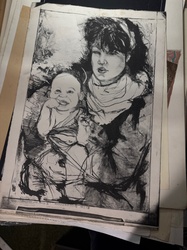
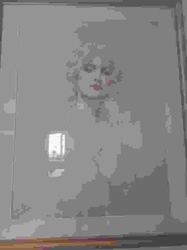
Submitted item photo
Submitted photo · June 10, 2026

User's notes

portrait de femme de Helleu

AI analysis below

AI appraisal

AI analysis & estimate

AI-Generated · Verify before acting

Everything below is generated by AI for informational purposes only. AI can make mistakes — the AI may misidentify items or misattribute them (artist, maker, brand, designer, origin, era). This is not an official valuation and should not be used for insurance, sale, tax, estate, legal, or lending purposes — or any decision requiring a certified appraisal. It is not an authoritative claim about any person, brand, or rights holder — do not share or rely on it as a factual statement about a third party. Always consult qualified professionals before making financial decisions.

Note

This analysis also relies on unverified notes provided by the user, which may be incomplete or inaccurate and could affect the result.

Read the full disclaimer

AI Identification

·Not independently authenticated·Verify before acting

Drypoint Etching Portrait of a Woman by Paul-César Helleu

Fine Art Prints & Works on Paper

AI Estimated Value

·Not an official valuation·Verify before acting

$2,500 - $4,500

As of June 10, 2026

AI Item Analysis

·AI can make mistakes·Verify before acting
This artwork is a fine example of Belle Époque portraiture by the renowned French artist Paul-César Helleu (1859–1927). The piece is a drypoint etching, a technique Helleu mastered to capture the elegance and fleeting expressions of high-society women in late 19th and early 20th century Paris. The portrait depicts a woman in profile or three-quarter view, characteristic of Helleu's style, wearing an elaborate hat that reflects the millinery fashions of the era. The lines are delicate yet confident, showcasing the artist's ability to create depth and texture through varying stroke pressure on the copper plate. The print is monochrome, likely black or dark brown ink on a cream or off-white paper base, which appears to be housed under glass in a slender, linear wooden frame with a light golden or tan finish. There is visible reflection on the glass, making fine details of the paper's texture difficult to discern, but the composition shows the subject leaning forward slightly. Condition-wise, the paper may show slight signs of age-toning or light foxing, though the etching itself appears mostly clear within the center. The style strongly dates to the early 1900s, where Helleu's work achieved its peak popularity among the Parisian and international elite. The craftsmanship is high-quality, typical of the 'Peintre-Graveur' movement, focusing on spontaneity and the grace of the female form.
AI Appraisal Report

·AI can make mistakes·Verify before acting
I have examined the digital representation of this drypoint etching by Paul-César Helleu. The work exemplifies the 'Helleu style' that defined Belle Époque elegance, characterized by bold, rhythmic drypoint strokes and the subject's sophisticated posture. The composition, featuring a fashionable sitter in a large-scale hat, is highly desirable among collectors of Fin de Siècle art. Visually, the linework appears consistent with Helleu’s 'diamond point' technique, showing the characteristic burr and velvety depth expected of a high-quality impression from the original copper plate. The condition shows minor age-toning and potential foxing, which is typical for paper of this era, though the primary image remains crisp. The market for Helleu remains robust, particularly for his large-format portraits of women. Comparable works at auction typically fetch between $2,000 and $6,000 depending on the subject’s identity and the vibrancy of the print. Factors limiting the value include the visible reflection from the glazing, which prevents a full assessment of the paper's margins and the presence of a pencil signature or edition numbering. It is important to note that a definitive attribution cannot be made from images alone. A full physical inspection is required to verify the watermark of the paper (often 'Van Gelder Zonen'), check for an authenticating signature, and ensure the piece is not a later photogravure or mechanical reproduction. I recommend examining the piece out of the frame to check for 'light-burn' and to confirm the plate mark's depth. Provenance documentation or a listing in the Montesquiou catalogue raisonné would further solidify the valuation and authenticity.

Get your items appraised

Instant estimates of your treasures with AI-powered appraisals

Browse More Appraisals