AI Appraisal Estimate

AI-generated estimates · not official valuations

From the user

What was submitted

Photo and notes provided by the user — not generated by AI

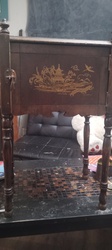
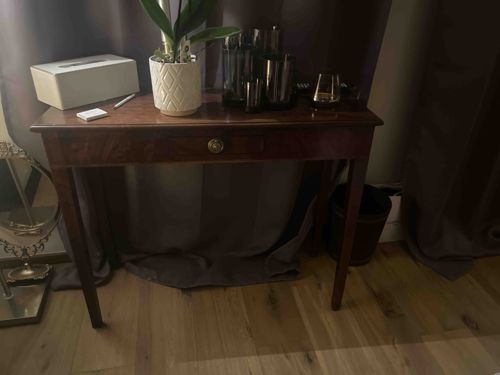
Submitted item photo
Submitted photo · May 24, 2026

User's notes

Magogany side board

AI analysis below

AI appraisal

AI analysis & estimate

AI-Generated · Verify before acting

Everything below is generated by AI for informational purposes only. AI can make mistakes — the AI may misidentify items or misattribute them (artist, maker, brand, designer, origin, era). This is not an official valuation and should not be used for insurance, sale, tax, estate, legal, or lending purposes — or any decision requiring a certified appraisal. It is not an authoritative claim about any person, brand, or rights holder — do not share or rely on it as a factual statement about a third party. Always consult qualified professionals before making financial decisions.

Note

This analysis also relies on unverified notes provided by the user, which may be incomplete or inaccurate and could affect the result.

Read the full disclaimer

AI Identification

·Not independently authenticated·Verify before acting

Sheraton-Style Federal Mahogany Sideboard

Antique Furniture

AI Estimated Value

·Not an official valuation·Verify before acting

$1,200 - $1,800

As of May 24, 2026

AI Item Analysis

·AI can make mistakes·Verify before acting
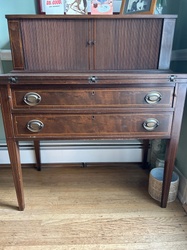
This piece is a classic mahogany sideboard or side table, exhibiting strong Federal-period design elements, specifically in the Sheraton style. The table features a rectangular top with a subtle bullnose or bevelled edge, resting over a long single frieze drawer. The drawer is accented with a circular brass medallion pull or knob, which appears to have an embossed decorative face. The wood displays a rich, deep reddish-brown mahogany finish with a notable grain pattern on the drawer front, suggesting the use of high-quality veneers. The construction is characterized by four slender, tapered square legs that ground the piece with a sense of lightness and elegance typical of late 18th to early 19th-century aesthetics. In terms of condition, the piece shows some light surface wear and minor scuffing consistent with age and domestic use, particularly around the edges of the legs and the top surface. The patina is well-developed, highlighting the natural luster of the mahogany. This style of furniture was popular in the early 19th century (circa 1800-1820), though this specific example may be a high-quality late 19th or early 20th-century revival piece. The craftsmanship appears refined, evidenced by the clean lines and proportional balance of the tapered legs and apron.
AI Appraisal Report

·AI can make mistakes·Verify before acting
I have conducted a visual examination of this mahogany sideboard, which demonstrates the refined proportions of the Sheraton/Federal period (circa 1800-1820). The piece features high-quality flame mahogany veneers on the drawer front and masterfully tapered square legs, typical of American or English cabinetmaking traditions from that era. The hardware appears period-correct but shows a level of preservation that suggests they could be high-quality replacements or were meticulously maintained given the luster of the circular brass medallion. Regarding condition, the piece shows minor surface abrasions and light scuffing at the feet, which is expected for an authentic antique and contributes to its desirable patina. Current market demand for brown furniture has stabilized, with well-proportioned Federal pieces holding value better than larger, heavier Victorian styles. Comparable sales for early 19th-century sideboards of this scale and simplicity generally fall within the $1,200 to $2,500 range, depending on regional provenance (such as a Salem or Philadelphia attribution). However, if this piece is a high-quality Centennial-era revival (c. 1876-1900), the value would decrease to approximately $600-$900. Critically, a definitive determination of age cannot be made through images alone. To confirm authenticity, I would need to perform an in-person inspection of the interior joinery (looking for hand-cut dovetails and hand-plane marks) and the secondary woods (typically white pine or poplar in American pieces). Scientific testing of the finishes or documentation of the piece’s provenance would be required to elevate this from a 'Federal-style' attribution to a 'Period Federal' guarantee.

Get your items appraised

Instant estimates of your treasures with AI-powered appraisals

Browse More Appraisals