AI Appraisal Estimate

AI-generated estimates · not official valuations

From the user

What was submitted

Photo and notes provided by the user — not generated by AI

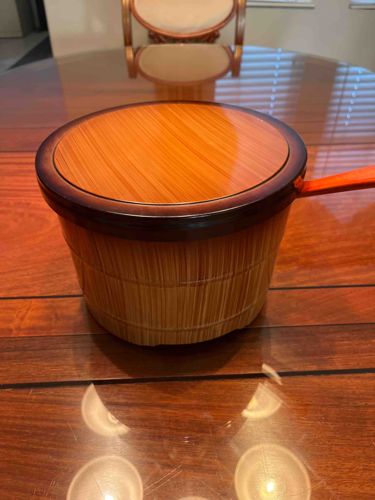
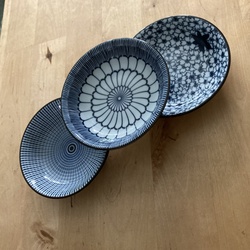
Submitted item photo
Submitted photo · June 12, 2026

User's notes

Rice serving container made in Japan, not real wood

AI analysis below

AI appraisal

AI analysis & estimate

AI-Generated · Verify before acting

Everything below is generated by AI for informational purposes only. AI can make mistakes — the AI may misidentify items or misattribute them (artist, maker, brand, designer, origin, era). This is not an official valuation and should not be used for insurance, sale, tax, estate, legal, or lending purposes — or any decision requiring a certified appraisal. It is not an authoritative claim about any person, brand, or rights holder — do not share or rely on it as a factual statement about a third party. Always consult qualified professionals before making financial decisions.

Note

This analysis also relies on unverified notes provided by the user, which may be incomplete or inaccurate and could affect the result.

Read the full disclaimer

AI Identification

·Not independently authenticated·Verify before acting

Japanese Resin Ohitsu (Rice Serving Tub) with Wood-Grain Finish

Japanese Kitchenware & Tableware

AI Estimated Value

·Not an official valuation·Verify before acting

$35.00 - $65.00

As of June 12, 2026

AI Item Analysis

·AI can make mistakes·Verify before acting
This item is a Japanese 'Ohitsu' (rice serving container), specifically designed for table presentation. Although traditionally crafted from cedar or cypress, this particular piece is constructed from a high-quality food-grade resin/ABS plastic, artfully finished to mimic natural wood. The exterior features a vertical 'stave' pattern with a light honey-oak wood grain texture, complemented by a darker, mahogany-toned rim and lid border. The lid fits flush within the upper rim, utilizing a recessed design common in mid-to-late 20th-century Japanese housewares. A traditional rice paddle (shamoji) handle is visible to the side, suggesting an integrated storage notch. The surface exhibits a high-gloss lacquer-style finish typical of 'Shikki' (Japanese lacquerware) imitations. It appears to be in excellent contemporary condition with no visible chips, cracks, or significant wear, maintaining its vibrant amber and dark brown coloration. This style of vessel is favored in modern Japanese dining for its durability and ease of maintenance compared to natural wood, which requires specific seasoning. Its craftsmanship reflects the 'Mingi' folk-art aesthetic but utilizes industrial materials for longevity. This item likely dates from late 20th century to contemporary production, common in both residential kitchens and casual sushi restaurants.
AI Appraisal Report

·AI can make mistakes·Verify before acting
Based on my visual examination of this Japanese 'Ohitsu' (rice serving tub), I have determined it to be a mass-produced, high-quality resin or ABS plastic food service vessel. The item features a wood-grain finish intended to emulate traditional wooden stave construction. Morphologically, it aligns with mid-to-late 20th-century 'Shikki' imitation lacquerware often used in commercial sushi environments or casual domestic settings for ease of sanitation. The condition appears to be excellent, with the high-gloss finish showing no significant abrasions, heat warping, or delamination of the wood-grain pattern. The market for synthetic Japanese kitchenware is stable but focused primarily on utility rather than collectible value. Comparables for similar resin vessels in the secondary market typically range from $30 to $70 depending on size and inclusion of the matching shamoji. The primary value drivers here are its functional durability and the aesthetic preservation of the 'Mingei' folk-art style without the maintenance requirements of real cedar. Because this is a synthetic industrial product, it lacks the rarity associated with artisan-carved timber pieces. However, its vibrant coloration and intact lid make it a desirable piece for themed interior decor or practical use. Limitations of this appraisal: This assessment is based on photographic evidence only. While the resin construction is stated, an in-person inspection would be required to verify the specific polymer type and check for any internal structural stress fractures not visible in images. A definitive valuation would also benefit from identifying manufacturer stamps on the underside, which are often present on industrial Japanese housewares but obscured in these views.

Get your items appraised

Instant estimates of your treasures with AI-powered appraisals

Browse More Appraisals