AI Appraisal Estimate

AI-generated estimates · not official valuations

From the user

What was submitted

Photo and notes provided by the user — not generated by AI

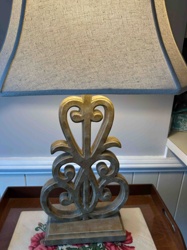
Submitted item photo
Submitted photo · June 10, 2026

User's notes

Vintage pagoda

AI analysis below

AI appraisal

AI analysis & estimate

AI-Generated · Verify before acting

Everything below is generated by AI for informational purposes only. AI can make mistakes — the AI may misidentify items or misattribute them (artist, maker, brand, designer, origin, era). This is not an official valuation and should not be used for insurance, sale, tax, estate, legal, or lending purposes — or any decision requiring a certified appraisal. It is not an authoritative claim about any person, brand, or rights holder — do not share or rely on it as a factual statement about a third party. Always consult qualified professionals before making financial decisions.

Note

This analysis also relies on unverified notes provided by the user, which may be incomplete or inaccurate and could affect the result.

Read the full disclaimer

AI Identification

·Not independently authenticated·Verify before acting

Ceramic Pagoda Style Lantern/Candle Holder

Home Decor/Lighting

AI Estimated Value

·Not an official valuation·Verify before acting

$40-$65

As of June 10, 2026

AI Item Analysis

·AI can make mistakes·Verify before acting
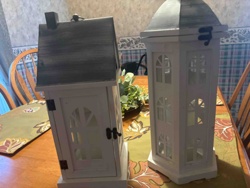
This item is a decorative accent piece designed in the style of a traditional Asian pagoda, likely intended for use as a candle holder or lantern. It is constructed from ceramic material with a smooth, glossy deep red glaze, giving it a vibrant and eye-catching appearance. The piece features a multi-tiered roof structure characteristic of pagodas, with gently upward-curving eaves. Below the roof, the body tapers slightly inward before flaring out at the base to create four arched feet, providing stability. On at least one visible side, there is a cut-out window design resembling abstract geometric patterns, which would allow light from an internal source to emanate. At the very top, a dark-colored, possibly metal, arched handle with a spherical finial is attached, suggesting it can be carried or hung. The overall construction appears solid and well-made, indicating good craftsmanship, though no specific maker's marks or signatures are visible in the provided images. The condition seems very good, with no obvious chips, cracks, or significant wear visible on the glazed surface. The red glaze appears consistent and well-applied, contributing to the item's aesthetic appeal. Its design suggests it is a modern interpretation of a classic architectural form, likely dating from the late 20th to early 21st century. The 'vintage pagoda' context implies it might be from the mid-to-late 20th century, consistent with the style of ceramic home decor from that period. Its primary function is decorative, offering a stylistic nod to East Asian architecture.
AI Appraisal Report

·AI can make mistakes·Verify before acting
Upon visual examination of this ceramic pagoda-style lantern, my assessment is that it is a well-crafted decorative piece, likely from the latter half of the 20th century. The vibrant, deep red glaze is consistently applied and appears to be in very good condition, with no visible chips, cracks, or crazing, which is a significant factor in its value. The design, which blends traditional pagoda architecture with a modern aesthetic, is quite appealing. The metal handle suggests it was designed for portability or to be hung, adding to its decorative versatility. The current market for vintage decorative ceramics of this nature is fairly stable. Similar mid-century to late 20th-century ceramic lanterns or pagodas, particularly those without a discernible maker's mark, typically trade in the range of $30 to $75. The primary value drivers are a combination of decorative appeal, size, and condition. While this piece is visually striking, its lack of a known manufacturer or artist signature prevents it from reaching the higher values associated with signed studio pottery or well-documented antique pieces. It is important to note the limitations of this appraisal, as it is based solely on images. A physical inspection would be required to thoroughly examine the piece for any hairline cracks, repairs, or restorations not visible in photographs. Furthermore, a hands-on examination would allow for the search of any faint maker's marks or signatures on the underside or interior, which would be crucial for establishing provenance and could significantly alter its appraised value. Without such marks, it must be appraised as a decorative, unsigned vintage item.

Get your items appraised

Instant estimates of your treasures with AI-powered appraisals

Browse More Appraisals