AI Appraisal Estimate

AI-generated estimates · not official valuations

From the user

What was submitted

Photo and notes provided by the user — not generated by AI

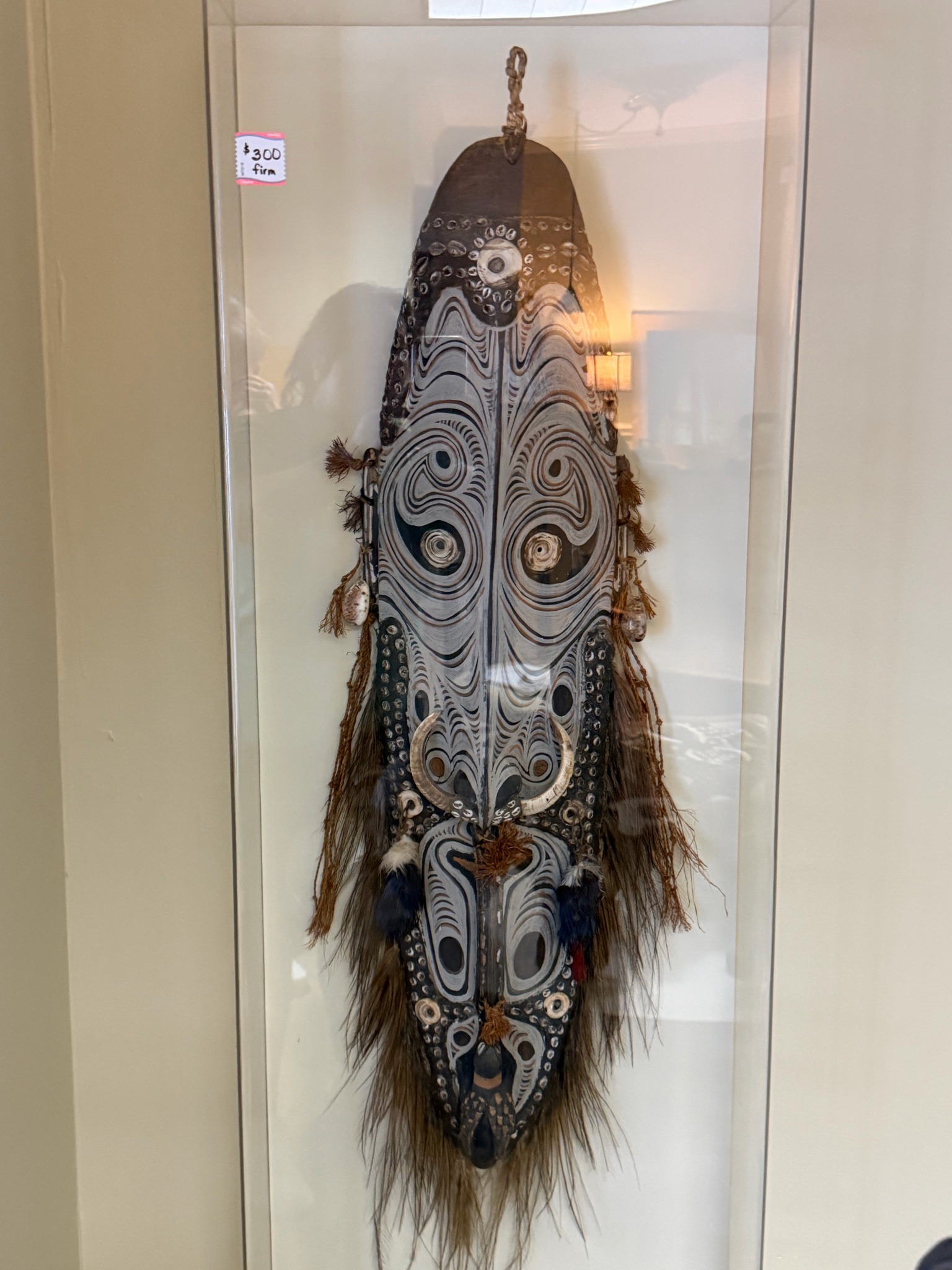
Submitted item photo
Submitted photo · June 20, 2026

User's notes

No additional notes provided.

AI analysis below

AI appraisal

AI analysis & estimate

AI-Generated · Verify before acting

Everything below is generated by AI for informational purposes only. AI can make mistakes — the AI may misidentify items or misattribute them (artist, maker, brand, designer, origin, era). This is not an official valuation and should not be used for insurance, sale, tax, estate, legal, or lending purposes — or any decision requiring a certified appraisal. It is not an authoritative claim about any person, brand, or rights holder — do not share or rely on it as a factual statement about a third party. Always consult qualified professionals before making financial decisions.

Read the full disclaimer

AI Identification

·Not independently authenticated·Verify before acting

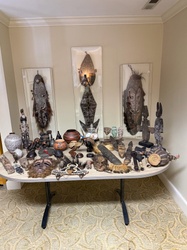
Sepik River Gope Board (Spiritual Shield)

Tribal Art and Ethnographica

AI Estimated Value

·Not an official valuation·Verify before acting

$4,500 - $6,500

As of June 20, 2026

AI Item Analysis

·AI can make mistakes·Verify before acting
An elongated, oval-shaped ceremonial Gope board originating from the Middle Sepik region of Papua New Guinea. The item is approximately 3 to 4 feet in height and is constructed from a hand-carved piece of light wood, characteristic of the region’s traditional craftsmanship. The surface features an intricate, symmetrical design of interlocking spirals and zoomorphic patterns, painted in a stark palette of earthen white line-work against a dark, possibly charcoal-treated or naturally aged brown background. The board represents a spiritual protector or ancestor figure, with stylized eyes consisting of white-painted concentric circles. Notable embellishments include real cowrie shells inlaid around the perimeter and within the facial features, alongside two prominent curved boar tusks mounted in the lower central section. The edges are adorned with long, hanging tassels of natural vegetable fibers, feathers, and additional small shells, creating a sense of movement. The overall condition appears stable, protected within a modern acrylic display case, though original signs of cultural use such as surface patina, minor irregularities in the wood grain, and slight fraying of the organic fibers are visible, adding to its authenticity. It likely dates to the mid-20th century, representing a high-quality example of Melanesian tribal art intended for display in a men's ceremonial house (Haus Tambaran).
AI Appraisal Report

·AI can make mistakes·Verify before acting
I have conducted a visual examination of this Middle Sepik Gope board. The piece exhibits high-caliber craftsmanship characteristic of Mid-20th-century Melanesian artistry. The symmetry of the concentric spiral motifs and the integration of prestige materials—including cowrie shells and boar tusks—suggests this was a significant ceremonial object intended for a communal Haus Tambaran. The surface shows a desirable 'aged' patina with traditional earthen pigments (lime and charcoal) that appear consistent with authentic spiritual use rather than rapid commercial production. The inclusion of organic elements like vegetable fibers and feathers increases its aesthetic value, though these are typically the first to deteriorate. Currently, the market for high-quality New Guinea tribal art remains robust, with collectors prioritizing pieces that retain their original attachments. Comparables for boards of this complexity and scale have recently fetched $4,000 to $7,000 at specialized auction houses. The modern acrylic housing has likely prevented further degradation of the organic components, maintaining its 'stable' condition rating. However, a definitive valuation is limited by the digital nature of this inspection. Authenticity can only be fully confirmed through in-person examination to verify the 'biting' of the wood grain and the lack of modern tool marks. Documentation of provenance (previous ownership/collection history) is essential to reaching the high-end estimate. Scientific testing, such as carbon dating or wood species analysis, would be required to definitively confirm the age of the timber and the absence of synthetic binding agents in the pigments.

Get your items appraised

Instant estimates of your treasures with AI-powered appraisals

Browse More Appraisals