Fossilized Dinosaur Bone Fragment in Sandstone Matrix
Paleontological Specimens / Fossils

Fossilized Dinosaur Bone Fragment in Sandstone Matrix

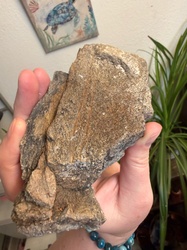
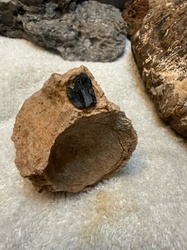
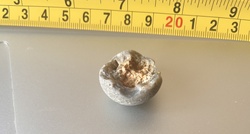
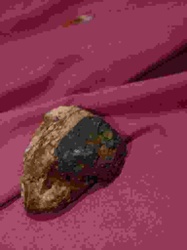
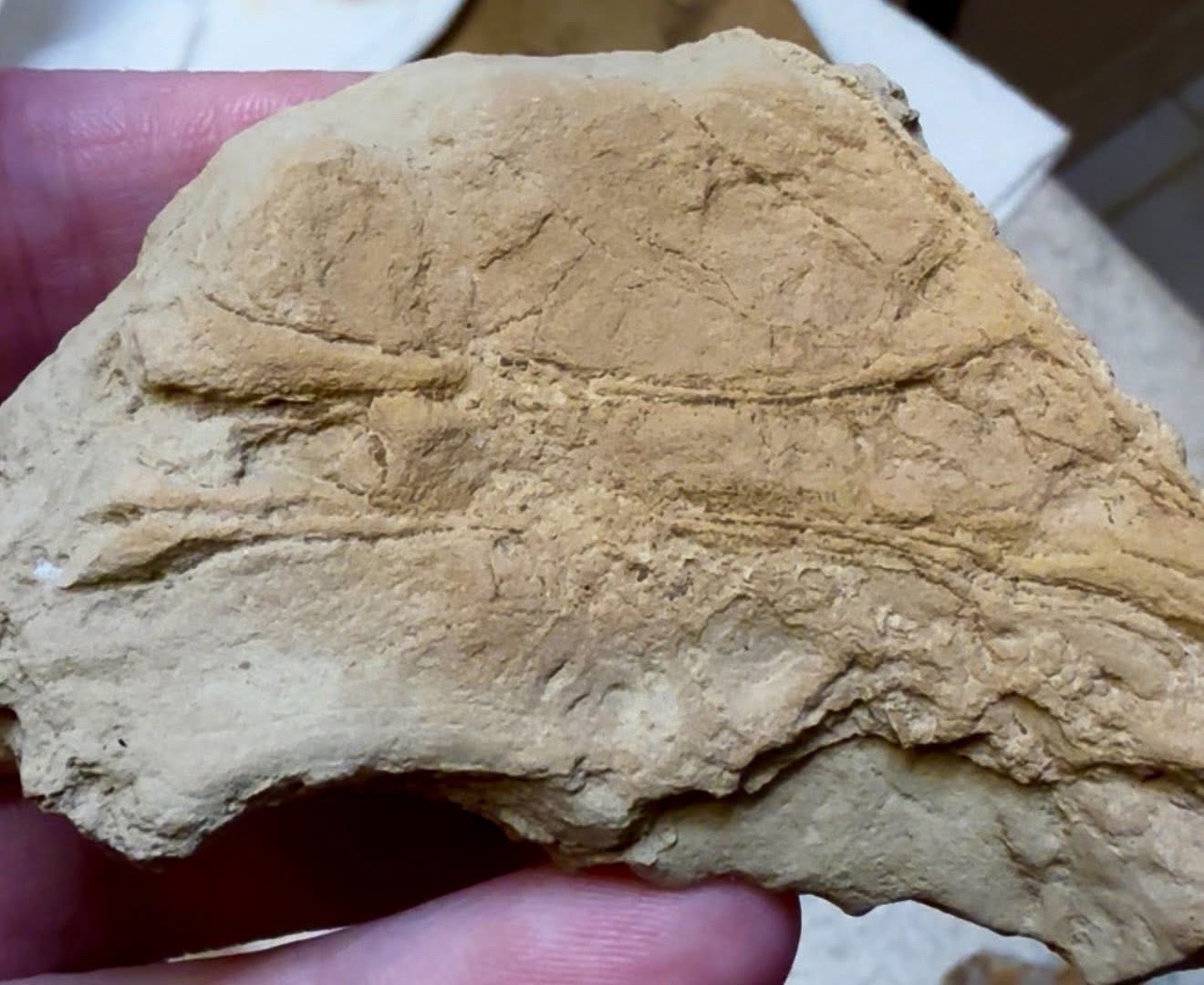
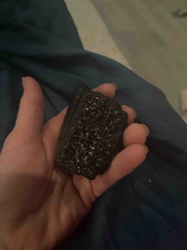
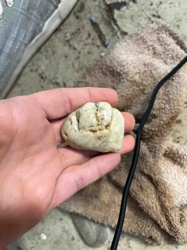
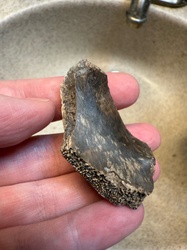
This specimen is a fossilized fragment of a dinosaur bone encased in a light-colored sandstone matrix, originating from the Late Jurassic Morrison Formation (approximately 150 million years old). The piece measures roughly 3 to 4 inches in width and fits within a human hand, exhibiting a consistent buff or tan coloration throughout both the matrix and the fossilized material. The bone structure is visible as a relatively smooth, linear impressions and mineralized surface that contrasts with the coarser, granular texture of the surrounding sedimentary rock. Notable features include longitudinal grain patterns indicative of cortical bone, though the specimen is heavily weathered with indistinct margins. The condition is raw and unprepared, with significant natural erosion and missing sections where the bone once extended. There are no visible maker's marks, as it is a natural specimen, but it possesses the diagnostic 'pitted' texture often found in permineralized dinosaur remains from this famous geological unit. The craftsmanship is entirely natural, resulting from millions of years of mineralization and geological pressure. Quality is considered fair for a field-found fragment, suitable for study or as a representative geologic sample rather than a museum-quality display piece.
Estimated Value

$35.00 - $60.00

Basic Information

Category

Paleontological Specimens / Fossils

Appraised On

May 13, 2026

Estimated Value

$35.00 - $60.00

Additional Details Provided By Owner

User Provided Information

Fossil from Morrison formation

Item Description

This specimen is a fossilized fragment of a dinosaur bone encased in a light-colored sandstone matrix, originating from the Late Jurassic Morrison Formation (approximately 150 million years old). The piece measures roughly 3 to 4 inches in width and fits within a human hand, exhibiting a consistent buff or tan coloration throughout both the matrix and the fossilized material. The bone structure is visible as a relatively smooth, linear impressions and mineralized surface that contrasts with the coarser, granular texture of the surrounding sedimentary rock. Notable features include longitudinal grain patterns indicative of cortical bone, though the specimen is heavily weathered with indistinct margins. The condition is raw and unprepared, with significant natural erosion and missing sections where the bone once extended. There are no visible maker's marks, as it is a natural specimen, but it possesses the diagnostic 'pitted' texture often found in permineralized dinosaur remains from this famous geological unit. The craftsmanship is entirely natural, resulting from millions of years of mineralization and geological pressure. Quality is considered fair for a field-found fragment, suitable for study or as a representative geologic sample rather than a museum-quality display piece.
Get Your Items Appraised

Instant estimates of your treasures with AI-powered instant appraisals

Browse More Appraisals