AI Appraisal Estimate

AI-generated estimates · not official valuations

From the user

What was submitted

Photo and notes provided by the user — not generated by AI

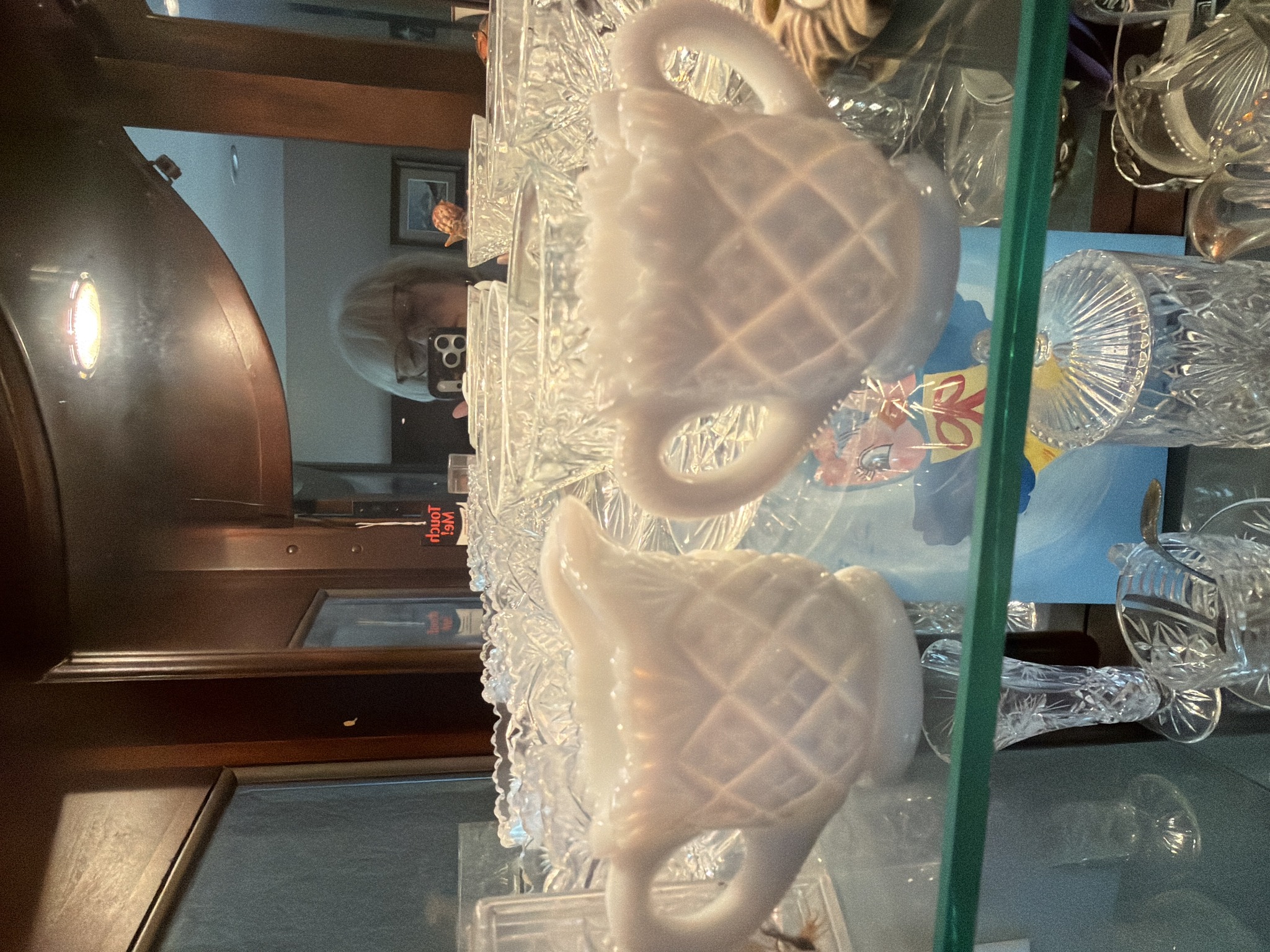
Submitted item photo
Submitted photo · June 22, 2026

User's notes

No additional notes provided.

AI analysis below

AI appraisal

AI analysis & estimate

AI-Generated · Verify before acting

Everything below is generated by AI for informational purposes only. AI can make mistakes — the AI may misidentify items or misattribute them (artist, maker, brand, designer, origin, era). This is not an official valuation and should not be used for insurance, sale, tax, estate, legal, or lending purposes — or any decision requiring a certified appraisal. It is not an authoritative claim about any person, brand, or rights holder — do not share or rely on it as a factual statement about a third party. Always consult qualified professionals before making financial decisions.

Read the full disclaimer

AI Identification

·Not independently authenticated·Verify before acting

EAPG Milk Glass Creamer and Sugar Bowl Set in Pineapple Pattern

Antique Tableware and Glassware

AI Estimated Value

·Not an official valuation·Verify before acting

$35.00 - $60.00

As of June 22, 2026

AI Item Analysis

·AI can make mistakes·Verify before acting
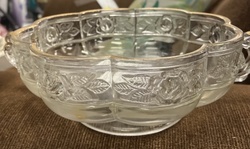
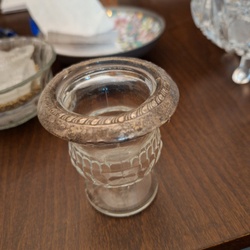
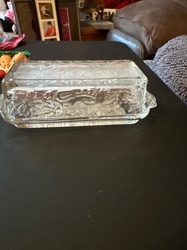
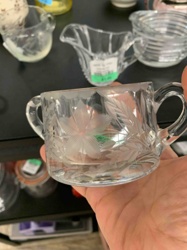
This set consists of a matching creamer and open sugar bowl crafted from opaque white milk glass, commonly referred to as 'opal glass.' The items feature a deeply embossed 'Pineapple' or 'Diamond Point' pattern consisting of a raised lattice of intersecting diagonal lines that create a textured, three-dimensional geometric surface. Each vessel is designed with elegant, C-scroll loop handles and a flared, scalloped rim that exhibits fine molding craftsmanship. The bases are flat with a slight pedestal rise. The pieces appear to be Early American Pattern Glass (EAPG), likely dating from the late 19th century to the mid-20th century, a period when milk glass was highly popular in American households. The glass possesses a smooth, satiny finish and a uniform bright white color without visible yellowing. From the visual perspective, the condition appears excellent with no immediate signs of chips, cracks, or heavy scratching on the textured exterior. The crispness of the molded pattern suggests relatively low wear or use. There are no maker's marks visible in the photograph, which is common for pressed glass of this era, though similar patterns were famously produced by manufacturers like Fenton, Westmoreland, and Imperial Glass. The set displays a high level of detail, reflecting the quality of the original industrial molds used during production.
AI Appraisal Report

·AI can make mistakes·Verify before acting
Based on my visual examination of this milk glass creamer and sugar bowl set, I have identified it as a classic example of Early American Pattern Glass (EAPG). The 'Pineapple' or 'Diamond Point' motif is rendered with excellent clarity, suggesting the molds were in good condition at the time of pressing. The scalloped rims and C-scroll handles are consistent with production techniques from the late 19th through the mid-20th century. The condition appears to be 'Excellent' or 'Near Mint' based on the absence of visible chips or 'flea bites' on the high points of the textured pattern, which are the most susceptible areas to damage. Market demand for white milk glass has stabilized; while no longer at its peak from the mid-20th century, sets from manufacturers like Westmoreland or Fenton remain collectible for enthusiasts of farmhouse or Victorian aesthetics. Compared to similar sold lots on the secondary market and antique malls, this set commands a modest but steady value. Limitations: A photograph cannot confirm the presence of hair-line fractures that are often translucent or determine the exact tactile 'heaviness' (lead content) which helps differentiate true Victorian EAPG from later mid-century reproductions. Full authentication would require an in-person inspection for mold seams and 'basal wear'—the natural scratching on the bottom of the foot characteristic of antique glass. Furthermore, checking for a 'ring' when tapped can reveal internal structural integrity that a visual check cannot. I recommend verifying any potential 'WG' or 'F' marks under high magnification to confirm specific manufacturer provenance, which could slightly premium the value.

Get your items appraised

Instant estimates of your treasures with AI-powered appraisals

Browse More Appraisals