Lower Paleolithic Chert Biface Hand Axe / Hammer Stone
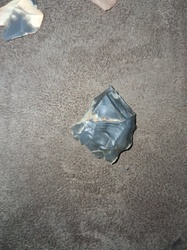
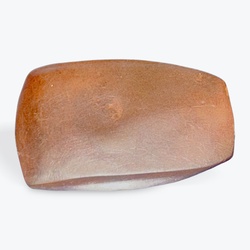
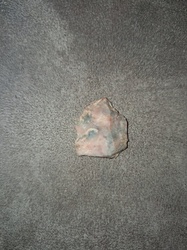
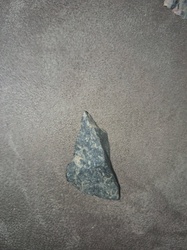
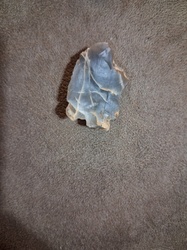
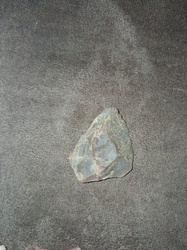
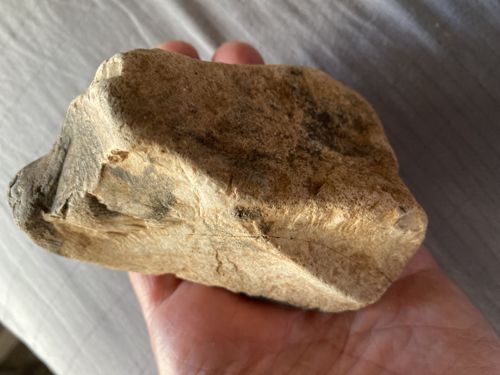
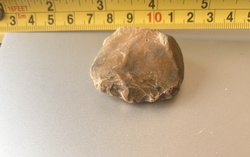
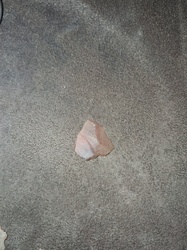
This specimen is a lithic tool measuring approximately 4 inches in length and 2.25 inches in width, identified as a biface hand axe or hammer stone crafted from chert. The item exhibits a dense, earthy coloration ranging from sandy tan and ochre to deeper greyish-brown tones, characteristic of chert found in the Oklahoma region. Its physical form shows distinct evidence of knapping with intentional flaking along the edges to create a functional grip and working surface. The craftsmanship reflects the Lower Paleolithic style, utilizing percussion flaking to shape the stone from a raw core. Notable features include a heavy, rounded base designed to fit comfortably in the palm, suggesting use as a multi-purpose chopping or pounding implement. The surface displays a natural desert varnish or patina consistent with significant age and environmental exposure. Condition-wise, the stone shows heavy weathering and minor edge attrition, but the structural integrity remains solid without modern fractures. The lack of manufacturer marks is consistent with its prehistoric origins. This artifact serves as a significant example of early human technology and tool development, exhibiting the rugged utility required for survival in its era.
AI-Generated Appraisal Disclaimer
Estimated Value
$45–$85
Basic Information
Category
Prehistoric Stone Tools / Artifacts
Appraised On
February 20, 2026
Estimated Value
$45–$85
Additional Details Provided By Owner
User Provided Information
Lower Paleolithic Chert bi face hand axe hammer stone tool found in Guthrie OK 4" x 2.25"
Item Description
This specimen is a lithic tool measuring approximately 4 inches in length and 2.25 inches in width, identified as a biface hand axe or hammer stone crafted from chert. The item exhibits a dense, earthy coloration ranging from sandy tan and ochre to deeper greyish-brown tones, characteristic of chert found in the Oklahoma region. Its physical form shows distinct evidence of knapping with intentional flaking along the edges to create a functional grip and working surface. The craftsmanship reflects the Lower Paleolithic style, utilizing percussion flaking to shape the stone from a raw core. Notable features include a heavy, rounded base designed to fit comfortably in the palm, suggesting use as a multi-purpose chopping or pounding implement. The surface displays a natural desert varnish or patina consistent with significant age and environmental exposure. Condition-wise, the stone shows heavy weathering and minor edge attrition, but the structural integrity remains solid without modern fractures. The lack of manufacturer marks is consistent with its prehistoric origins. This artifact serves as a significant example of early human technology and tool development, exhibiting the rugged utility required for survival in its era.
Get Your Items Appraised
Instant estimates of your treasures with AI-powered instant appraisals