AI Appraisal Estimate

AI-generated estimates · not official valuations

From the user

What was submitted

Photo and notes provided by the user — not generated by AI

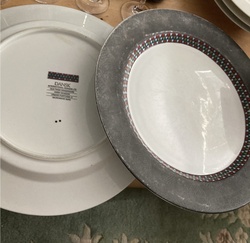
Submitted item photo
Submitted photo · June 10, 2026

User's notes

No additional notes provided.

AI analysis below

AI appraisal

AI analysis & estimate

AI-Generated · Verify before acting

Everything below is generated by AI for informational purposes only. AI can make mistakes — the AI may misidentify items or misattribute them (artist, maker, brand, designer, origin, era). This is not an official valuation and should not be used for insurance, sale, tax, estate, legal, or lending purposes — or any decision requiring a certified appraisal. It is not an authoritative claim about any person, brand, or rights holder — do not share or rely on it as a factual statement about a third party. Always consult qualified professionals before making financial decisions.

Read the full disclaimer

AI Identification

·Not independently authenticated·Verify before acting

Pressed Glass Creamer

Dinnerware/Tableware

AI Estimated Value

·Not an official valuation·Verify before acting

$25-45

As of June 10, 2026

AI Item Analysis

·AI can make mistakes·Verify before acting
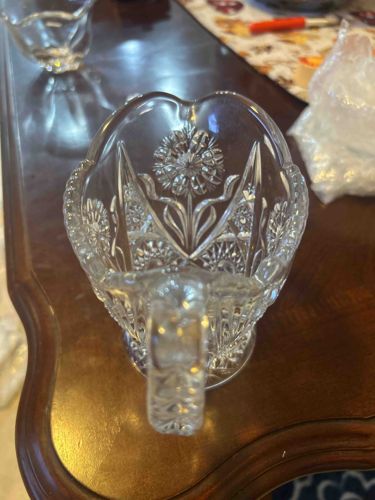
This item is a clear pressed glass creamer featuring an intricate decorative pattern. The creamer has a classic pitcher-like shape with a scalloped or undulating rim and a small, sturdy handle. The body of the creamer is adorned with a complex geometric and floral design, characteristic of pressed glass from the late 19th or early 20th century. Notably, the central design on the side of the creamer appears to be a stylized flower, possibly a dandelion or starburst, with radiating petals and a stem. This central motif is flanked by pointed, elongated panels filled with cross-hatching and star patterns, demonstrating a high level of detail for pressed glass. The handle itself is also patterned, suggesting good craftsmanship. The material is clear, colorless glass, exhibiting characteristic brilliance and light refraction. There are no visible chips, cracks, or repairs from the provided images, indicating good overall condition, although a closer inspection for minor fleabites or cloudiness would be ideal. The manufacturing method is clearly pressed glass, evidenced by the sharpness of the molded patterns. This style of glass was popular and mass-produced, often mimicking more expensive cut glass. The item likely dates from the Edwardian or early 20th century period. Its small size indicates its use for serving cream or milk. The specific pattern might allow for identification of the manufacturer, but without clearer views of the base or knowledge of known patterns, this remains speculative. It represents a functional yet decorative piece of vintage tableware.
AI Appraisal Report

·AI can make mistakes·Verify before acting
Upon visual examination of the provided images, this item is identified as a clear pressed glass creamer, likely dating to the late 19th or early 20th century, a period known as the American Brilliant Period or Edwardian era. The intricate geometric and floral 'dandelion' or starburst pattern is characteristic of mass-produced tableware designed to emulate more expensive cut glass. Based on the images, the creamer appears to be in very good condition, with no visible chips, cracks, or significant clouding, which is a primary factor in its valuation. The clarity of the glass and sharpness of the molded design are consistent with authentic period manufacture. The market for common pressed glass patterns is generally stable but modest. While decorative, these creamers were produced in large quantities, making them relatively common. Demand exists primarily among collectors of specific patterns and those seeking decorative vintage tableware. The value is significantly influenced by pattern identification; if this piece belongs to a rare or highly sought-after pattern (e.g., from a manufacturer like Cambridge or Fostoria), its value could increase. However, as-is, it represents a more common, unidentified pattern. My appraisal is limited by the inability to physically inspect the item. A hands-on examination would be necessary to check for subtle fleabite chips along the rim, signs of wear on the base, or any cloudiness not visible in photos. Full authentication would require identifying any maker's mark, often found on the base, and comparing the pattern against established catalogues to confirm its manufacturer and specific pattern name. Without this information, the valuation is based on general market comparables for similar unattributed pressed glass creamers in good condition.

Get your items appraised

Instant estimates of your treasures with AI-powered appraisals

Browse More Appraisals