Prehistoric Lithic Multi-Tool / Scraping Lithic Artifact
Archaeological Artifacts / Prehistoric Stone Tools

Prehistoric Lithic Multi-Tool / Scraping Lithic Artifact

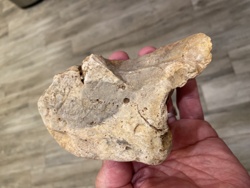
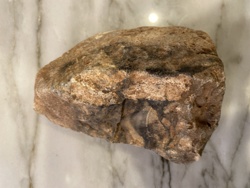
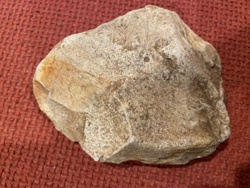
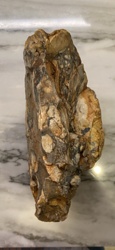
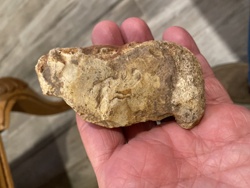
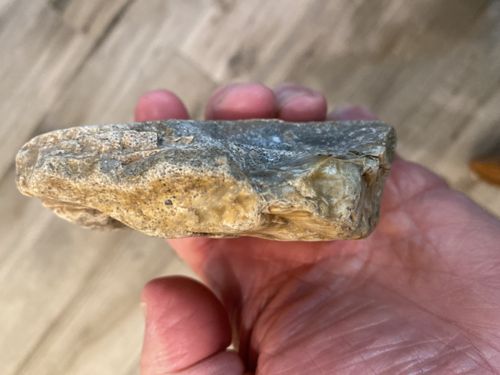
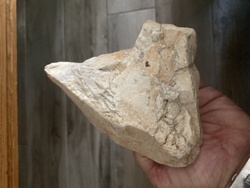
This is a prehistoric stone lithic tool, measuring approximately 3.5 inches by 3 inches, recovered from Guthrie, Oklahoma. The item is characterized by its irregular, palm-sized form, expertly shaped through percussion and pressure flaking along various edges. The material appears to be a local cryptocrystalline silicate, possibly a high-quality chert or flint, exhibiting a varied color palette ranging from earthy ochre-tan to deeper stone greys. The surface shows a distinct waxy luster in areas where flakes have been removed, contrasted with a weathered cortical patina on the undisturbed surfaces. Its construction features a thick dorsal ridge providing weight for force, with at least one refined edge that suggests it served as a multi-tool for scraping hides or carving wood. Physically, the item displays typical signs of prehistoric use-wear, including minor micro-fractures along the working edge and a smooth surface polish likely resulting from prolonged hand-holding. There are no modern maker's marks, as is standard for an artifact of this age, which likely dates to the Archaic or Woodland periods of North American indigenous history. The craftsmanship is utilitarian but precise, showing a deep understanding of lithic reduction techniques to create a durable, multi-functional ergonomic grip.
Estimated Value

$45.00 - $75.00

Basic Information

Category

Archaeological Artifacts / Prehistoric Stone Tools

Appraised On

February 17, 2026

Estimated Value

$45.00 - $75.00

Additional Details Provided By Owner

User Provided Information

Prehistoric stone multi tool found in Guthrie OK measuring 3.5" x 3"

Item Description

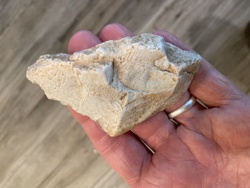
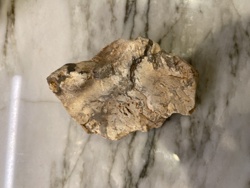
This is a prehistoric stone lithic tool, measuring approximately 3.5 inches by 3 inches, recovered from Guthrie, Oklahoma. The item is characterized by its irregular, palm-sized form, expertly shaped through percussion and pressure flaking along various edges. The material appears to be a local cryptocrystalline silicate, possibly a high-quality chert or flint, exhibiting a varied color palette ranging from earthy ochre-tan to deeper stone greys. The surface shows a distinct waxy luster in areas where flakes have been removed, contrasted with a weathered cortical patina on the undisturbed surfaces. Its construction features a thick dorsal ridge providing weight for force, with at least one refined edge that suggests it served as a multi-tool for scraping hides or carving wood. Physically, the item displays typical signs of prehistoric use-wear, including minor micro-fractures along the working edge and a smooth surface polish likely resulting from prolonged hand-holding. There are no modern maker's marks, as is standard for an artifact of this age, which likely dates to the Archaic or Woodland periods of North American indigenous history. The craftsmanship is utilitarian but precise, showing a deep understanding of lithic reduction techniques to create a durable, multi-functional ergonomic grip.
Get Your Items Appraised

Instant estimates of your treasures with AI-powered instant appraisals

Browse More Appraisals