AI Appraisal Estimate

AI-generated estimates · not official valuations

From the user

What was submitted

Photo and notes provided by the user — not generated by AI

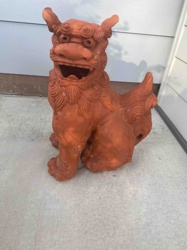
Submitted item photo
Submitted photo · May 24, 2026

User's notes

In laid mother Pearl

AI analysis below

AI appraisal

AI analysis & estimate

AI-Generated · Verify before acting

Everything below is generated by AI for informational purposes only. AI can make mistakes — the AI may misidentify items or misattribute them (artist, maker, brand, designer, origin, era). This is not an official valuation and should not be used for insurance, sale, tax, estate, legal, or lending purposes — or any decision requiring a certified appraisal. It is not an authoritative claim about any person, brand, or rights holder — do not share or rely on it as a factual statement about a third party. Always consult qualified professionals before making financial decisions.

Note

This analysis also relies on unverified notes provided by the user, which may be incomplete or inaccurate and could affect the result.

Read the full disclaimer

AI Identification

·Not independently authenticated·Verify before acting

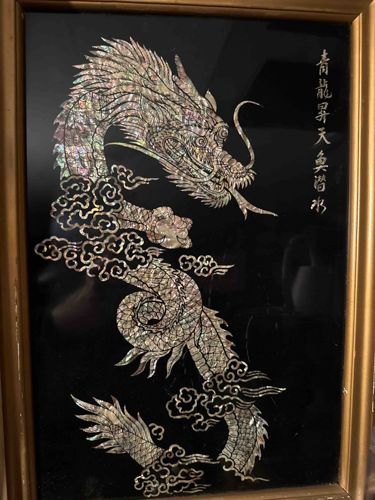
Asian Lacquer and Mother of Pearl Inlaid Dragon Wall Panel

Asian Antiques and Decorative Arts

AI Estimated Value

·Not an official valuation·Verify before acting

$600 - $900

As of May 24, 2026

AI Item Analysis

·AI can make mistakes·Verify before acting
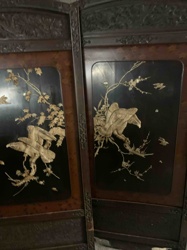
This is a high-quality decorative wall panel featuring a prominent East Asian dragon rendered in meticulous mother of pearl (nacre) inlay against a polished black lacquer background. The dragon is depicted in a dynamic, vertical posture, snaking through stylized clouds (ruyi-style). The craftsmanship is characteristic of Korean 'Najeon Chilgi' or similar Chinese lacquerware techniques, utilizing extremely thin slices of iridescent shell to create texture, scales, and fine lines. The shell exhibits a vibrant play of color including pinks, greens, and silvers. To the right, four vertical lines of Chinese calligraphy are inlaid in a similar shell material, which adds poetic or titular context to the piece. The panel is housed in a simple, gold-toned wooden frame. Note the fine incised lines on the dragon's whiskers and fins, indicating high-level artisanal skill. The overall condition appears excellent with no visible lifting of the inlay or significant cracking of the lacquer surface, though minor surface dust and light reflections are present. This style of work gained significant popularity in the mid-20th century but follows traditional techniques dating back centuries.
AI Appraisal Report

·AI can make mistakes·Verify before acting
I have virtually examined this decorative wall panel, which appears to be a high-quality example of 'Najeon Chilgi' (Korean mother-of-pearl lacquerware). The craftsmanship is evident in the intricate 'cut-shell' technique used to render the dragon’s scales and the fluid calligraphy. The iridescent quality of the nacre suggests the use of abalone or conch shell, and the ruyi-style clouds indicate a strong mid-20th-century aesthetic that honors traditional motifs. The condition from the visual provided is excellent; I note no significant 'craquelure' or lifting of the organic shell from the lacquer substrate, which is common in older pieces due to humidity shifts. Market demand for mid-century lacquerware is stable, particularly for pieces featuring the auspicious dragon motif. Comparables sold at auction for similar large-scale panels generally fall within the mid-to-high three-figure range. The inclusion of calligraphy significantly enhances its value compared to purely decorative floral panels. However, the modern gold-toned frame suggests this was intended for the export or luxury gift market rather than a 19th-century imperial piece. Limitations: My assessment is based on digital imagery. To provide a definitive authentication, an in-person inspection is required to check for 'synthetic' lacquer vs. natural urushi, and to verify the depth of the shell inlay. Scientific testing of the adhesive and a microscopic look at the shell’s edges would confirm if the piece is contemporary or truly vintage. Provenance documentation, such as a purchase receipt from an established Seoul or Hong Kong dealer, would be necessary to push the appraisal toward the higher end of the range.

Get your items appraised

Instant estimates of your treasures with AI-powered appraisals

Browse More Appraisals