Prehistoric Chert Hand Multi-Tool Scraper
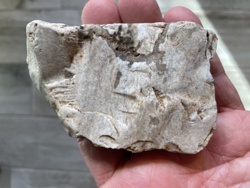
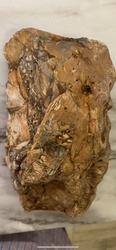
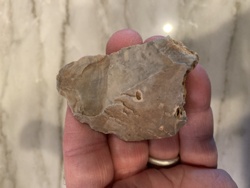
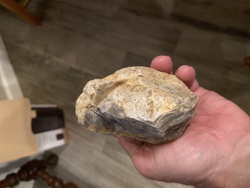
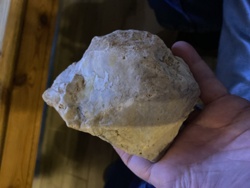
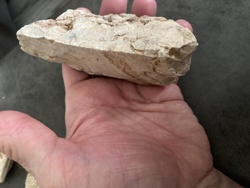
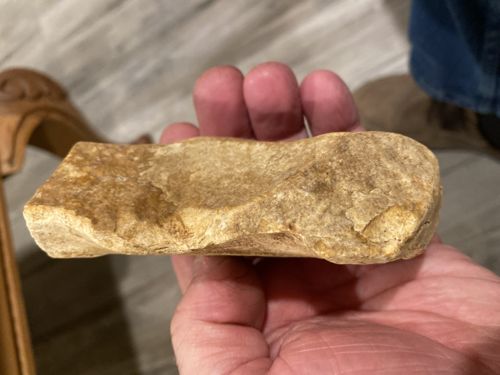
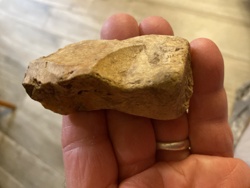
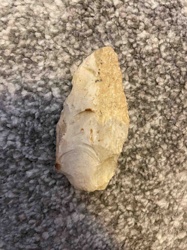
This artifact is a prehistoric lithic multi-tool, identified as a hand-held scraper, discovered in Guthrie, Oklahoma. Measuring approximately 4.75 by 2 inches, the tool is composed of a durable, earth-toned chert material, displaying a range of ochre, tan, and light brown hues. The tool's construction shows evidence of intentional percussion flaking along the edges to create a functional working margin. One side appears relatively flat for ergonomic handling, while the opposite side features a more rugged, worked profile typical of scraping or cutting implements. The material surface shows a heavy natural patina consistent with significant age and long-term exposure to the elements and mineral-rich soil. There are no modern maker's marks, as this is a handcrafted piece of indigenous technology. The condition reflects its archaeological nature, with smoothed edges from use-wear and minor natural pitting on the stone's surface. Estimated to date from the Woodland or Archaic period based on regional lithic typology, the piece demonstrates high-quality craftsmanship for a tool of its category, specifically designed for tasks such as hide preparation or wood processing. The weight and balance of the stone appear to accommodate the palm and fingers, suggesting it was scaled specifically for manual use without a hafted handle.
AI-Generated Appraisal Disclaimer
Estimated Value
$65 - $110
Basic Information
Category
Archaeological Artifacts / Paleolithic Tools
Appraised On
February 18, 2026
Estimated Value
$65 - $110
Additional Details Provided By Owner
User Provided Information
Found the Prehistoric chert hand multi tool scraper in Guthrie OK. The measurements are 4.75 x 2
Item Description
This artifact is a prehistoric lithic multi-tool, identified as a hand-held scraper, discovered in Guthrie, Oklahoma. Measuring approximately 4.75 by 2 inches, the tool is composed of a durable, earth-toned chert material, displaying a range of ochre, tan, and light brown hues. The tool's construction shows evidence of intentional percussion flaking along the edges to create a functional working margin. One side appears relatively flat for ergonomic handling, while the opposite side features a more rugged, worked profile typical of scraping or cutting implements. The material surface shows a heavy natural patina consistent with significant age and long-term exposure to the elements and mineral-rich soil. There are no modern maker's marks, as this is a handcrafted piece of indigenous technology. The condition reflects its archaeological nature, with smoothed edges from use-wear and minor natural pitting on the stone's surface. Estimated to date from the Woodland or Archaic period based on regional lithic typology, the piece demonstrates high-quality craftsmanship for a tool of its category, specifically designed for tasks such as hide preparation or wood processing. The weight and balance of the stone appear to accommodate the palm and fingers, suggesting it was scaled specifically for manual use without a hafted handle.
Get Your Items Appraised
Instant estimates of your treasures with AI-powered instant appraisals