AI Appraisal Estimate

AI-generated estimates · not official valuations

From the user

What was submitted

Photo and notes provided by the user — not generated by AI

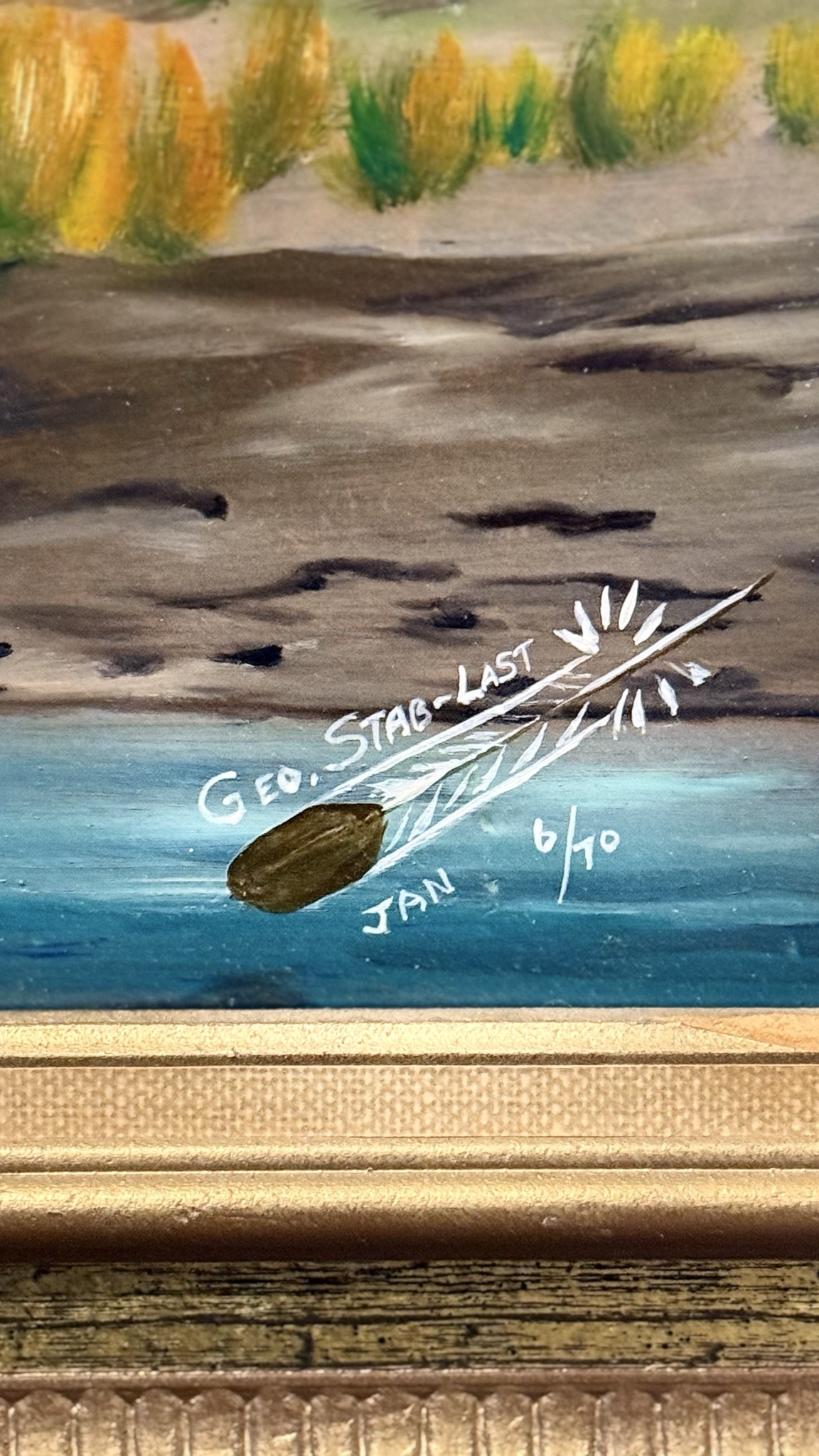
Submitted item photo
Submitted photo · June 27, 2026

User's notes

20 x 25 vintage indigenous art 1970. Oil on board frame framed.

AI analysis below

AI appraisal

AI analysis & estimate

AI-Generated · Verify before acting

Everything below is generated by AI for informational purposes only. AI can make mistakes — the AI may misidentify items or misattribute them (artist, maker, brand, designer, origin, era). This is not an official valuation and should not be used for insurance, sale, tax, estate, legal, or lending purposes — or any decision requiring a certified appraisal. It is not an authoritative claim about any person, brand, or rights holder — do not share or rely on it as a factual statement about a third party. Always consult qualified professionals before making financial decisions.

Note

This analysis also relies on unverified notes provided by the user, which may be incomplete or inaccurate and could affect the result.

Read the full disclaimer

AI Identification

·Not independently authenticated·Verify before acting

George Stab-Last Oil Painting on Board

Fine Art - Indigenous Paintings

AI Estimated Value

·Not an official valuation·Verify before acting

$450 - $650

As of June 27, 2026

AI Item Analysis

·AI can make mistakes·Verify before acting
This is a vintage original oil painting on board, measuring 20 x 25 inches inclusive of the frame. The artwork is signed 'GEO. STAB-LAST' in a distinctive script accompanied by a stylized feather and sunburst graphic, which serves as a personal hallmark of the artist. The piece is specifically dated 'JAN 6/70' (January 6, 1970). The painting depicts a landscape with a color palette featuring ochre yellow, deep greens, and earthen browns in the background, contrasting with a vibrant turquoise and cerulean blue waterway in the foreground. The application of paint shows visible brushwork typical of mid-century Indigenous folk or regional art styles. The work is housed in a period-correct, multi-tiered gilded wood frame with a linen-textured inner liner (matting). Physically, the board appears stable, though there is visible surface grime consistent with its age. The frame shows some minor wear and darkening of the gold finish, which adds to its vintage patina. The signature and date are clearly legible in white paint over the blue water area, indicating high visibility and intent. The overall craftsmanship suggests a self-taught or regional Indigenous artist capturing a naturalistic scene with cultural stylistic flair.
AI Appraisal Report

·AI can make mistakes·Verify before acting
I have completed a visual examination of the oil on board landscape signed 'GEO. STAB-LAST' and dated January 6, 1970. The artwork displays a distinctive mid-century regional aesthetic, characterized by a vibrant turquoise palette and stylized hallmark iconography. The physical condition appears stable, though the surface exhibits a layer of atmospheric soot and grime consistent with fifty years of residential display; the period-correct gilded frame shows minor oxidation and corner separation common for its age. Authenticity appears consistent with regional Indigenous folk art movements of the Pacific Northwest or Western Canada from this era. The market for mid-century Indigenous paintings remains selective, with values driven by the increasing interest in 'outsider' and regional folk artists. Comparables for smaller, dated indigenous works on board typically fall within the several-hundred-dollar range, with premiums paid for pieces retaining original gallery frames and clear dated signatures. The rarity of this specific artist's hallmark—the feather and sunburst—adds decorative appeal. However, as this appraisal is based on digital imagery, several limitations exist. A definitive authentication requires an in-person inspection to verify paint layer adhesion and examine the board’s verso for hidden inscriptions or provenance labels. Scientific testing, such as UV fluorescence analysis, would be necessary to confirm the absence of later overpainting or restoration. Documentation of the original purchase or 'chain of custody' from 1970 would further solidify market value and prove provenance.

Get your items appraised

Instant estimates of your treasures with AI-powered appraisals

Browse More Appraisals