AI Appraisal Estimate

AI-generated estimates · not official valuations

From the user

What was submitted

Photo and notes provided by the user — not generated by AI

Submitted item photo
Submitted photo · June 6, 2026

User's notes

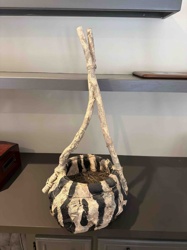
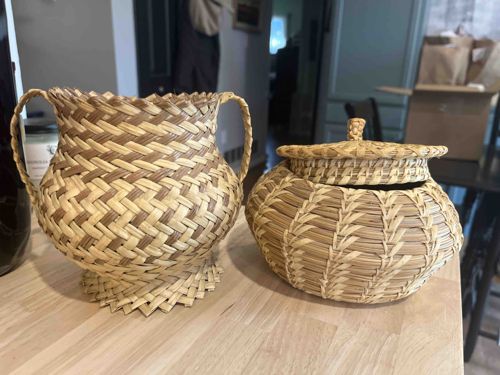
two handwoven baskets made by the Tarahumara Indians of Barranca del Cobre. The first basket is 6 inches tall and 7 inches wide (including handles), and the second is a lidded basket measuring 4 inches tall and 7 inches wide. Both are crafted with local materials, reflecting the tribe’s traditional techniques, and come with authenticating label

AI analysis below

AI appraisal

AI analysis & estimate

AI-Generated · Verify before acting

Everything below is generated by AI for informational purposes only. AI can make mistakes — the AI may misidentify items or misattribute them (artist, maker, brand, designer, origin, era). This is not an official valuation and should not be used for insurance, sale, tax, estate, legal, or lending purposes — or any decision requiring a certified appraisal. It is not an authoritative claim about any person, brand, or rights holder — do not share or rely on it as a factual statement about a third party. Always consult qualified professionals before making financial decisions.

Note

This analysis also relies on unverified notes provided by the user, which may be incomplete or inaccurate and could affect the result.

Read the full disclaimer

AI Identification

·Not independently authenticated·Verify before acting

Pair of Tarahumara Handwoven Baskets

Handcrafted Baskets

AI Estimated Value

·Not an official valuation·Verify before acting

$60 - $90

As of June 6, 2026

AI Item Analysis

·AI can make mistakes·Verify before acting
This lot consists of two handwoven baskets attributed to the Tarahumara Indians of Barranca del Cobre. The first basket is a handled vessel measuring approximately 6 inches in height and 7 inches in width (including the handles). It features a flared opening and a distinct stepped base. The weaving pattern on this basket utilizes two shades of natural fibers, likely derived from local plant materials, creating a dynamic diagonal design across the body. The handles are integrated into the rim of the basket. The second basket is a lidded, rounded form, measuring approximately 4 inches in height and 7 inches in width at its widest point. Its lid is slightly inset and topped with a small, woven finial. The body of this basket is characterized by vertical sections of intricate weaving, interspersed with plain woven areas, creating a visually interesting texture and segmentation. Both baskets display a natural, earthy color palette ranging from light tan to a slightly darker brown, inherent to the materials used. The weaving appears tight and consistent, indicative of skilled craftsmanship. There are no obvious signs of major damage, repairs, or excessive wear visible in the provided image, suggesting they are in good condition. The traditional techniques employed in their construction, utilizing readily available local materials, are hallmarks of Tarahumara basket weaving. Information provided suggests both baskets come with an authenticating label, which would be a crucial identifier for confirming their origin and provenance. The age is estimated to be contemporary, reflecting current traditional weaving practices.
AI Appraisal Report

·AI can make mistakes·Verify before acting
Upon examining the images and description of this pair of handwoven baskets, I can assess their characteristics and potential value. Both pieces appear to be well-crafted examples of Tarahumara (Rarámuri) basketry from the Barranca del Cobre (Copper Canyon) region of Mexico. The weaving is tight and consistent, utilizing natural plant fibers, likely sotol or palm, which is characteristic of the form. The designs—a diagonal pattern on the handled basket and vertical segmentation on the lidded one—are traditional and skillfully executed. Condition appears to be very good, with no visible signs of significant damage or wear, which is a positive value factor for contemporary crafts. The presence of authenticating labels is a crucial element, as it helps confirm their origin. However, without physically examining the baskets and the labels themselves, I cannot definitively verify their authenticity. An in-person inspection would allow me to assess the fiber's age, the weaving tension, and the label's legitimacy. Given the current market for authentic, contemporary Native American crafts, demand for Tarahumara basketry is steady but generally modest compared to some Southwestern Pueblo pottery or Navajo weaving. These are excellent decorative and cultural examples rather than rare antique artifacts. The primary value driver here is the quality of craftsmanship and the confirmed attribution to the Tarahumara people.

Get your items appraised

Instant estimates of your treasures with AI-powered appraisals

Browse More Appraisals