AI Appraisal Estimate

AI-generated estimates · not official valuations

From the user

What was submitted

Photo and notes provided by the user — not generated by AI

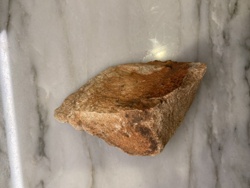
Submitted item photo
Submitted photo · May 19, 2026

User's notes

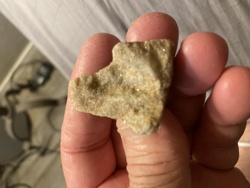
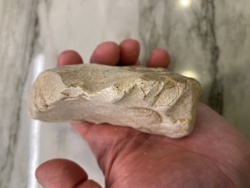
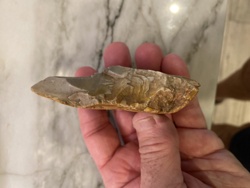
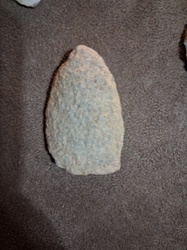
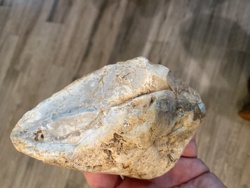
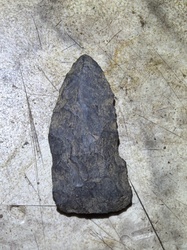
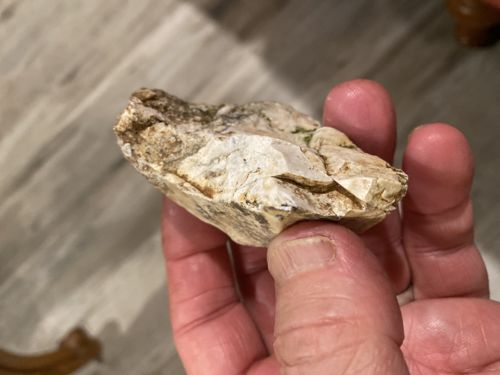
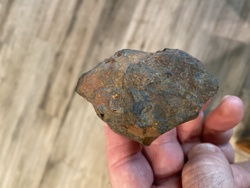
Prehistoric core scraper tool found in Guthrie OK measuring 3" x 2"

AI analysis below

AI appraisal

AI analysis & estimate

AI-Generated · Verify before acting

Everything below is generated by AI for informational purposes only. AI can make mistakes — the AI may misidentify items or misattribute them (artist, maker, brand, designer, origin, era). This is not an official valuation and should not be used for insurance, sale, tax, estate, legal, or lending purposes — or any decision requiring a certified appraisal. It is not an authoritative claim about any person, brand, or rights holder — do not share or rely on it as a factual statement about a third party. Always consult qualified professionals before making financial decisions.

Note

This analysis also relies on unverified notes provided by the user, which may be incomplete or inaccurate and could affect the result.

Read the full disclaimer

AI Identification

·Not independently authenticated·Verify before acting

Prehistoric Core Scraper Lithic Tool

Prehistoric Native American Artifacts / Archeological Lithics

AI Estimated Value

·Not an official valuation·Verify before acting

$45.00 - $75.00

As of May 19, 2026

AI Item Analysis

·AI can make mistakes·Verify before acting
This is a handheld prehistoric lithic artifact, specifically identified as a core scraper tool, measuring approximately 3 inches by 2 inches. The item is fashionedจาก a high-quality cryptocrystalline silicate material, likely a variety of local white to tan chert or flint characteristic of the Oklahoma region. The coloring is variegated, featuring a dominant cream-white base with inclusions of earthy tan, brown, and grey mottling. The construction displays clear evidence of intentional percussion flaking, with visible conchoidal fracture scars where flakes were removed to create a sharp, functional working edge. The tool preserves a portion of the original outer cortex on its backside, while the primary face shows multiple flake scars leading to a steep, unifacial bevel characteristic of scrapers used for processing hides or wood. The condition appears stable with significant ancient patina and mineral staining deep within the flake crevices, which authenticates its age and provides a muted, matte surface texture. There are no modern signatures or maker's marks, as is typical for prehistoric percussion tools. The item originated from Guthrie, Oklahoma, placing it within the likely temporal range of the Archaic to Woodland periods, depending on the specific site context. Its craftsmanship is utilitarian yet precise, showing purposeful thinning to fit comfortably in the hand for repetitive manual tasks.
AI Appraisal Report

·AI can make mistakes·Verify before acting
I have carefully examined the provided images and description of the handheld lithic scraper recovered from Guthrie, Oklahoma. Measuring approximately 3 by 2 inches, the specimen exhibits classic morphological traits of a utilitarian unifacial tool. The material appears to be a local chert from the Kay County or surrounding regional deposits, displaying a characteristic cream-to-tan variegated patina. The presence of steep, intentional retouching on the distal end and side-to-front margins confirms its function as a scraper, likely utilized for hide processing or woodworking during the Archaic to Woodland periods. The condition is excellent for a field-find, showing genuine mineral staining and 'desert varnish' within the flake scars, which suggests significant age rather than modern replication. However, market value for lithics is heavily driven by 'showpiece' qualities—such as bifacial thinning, projectile point typology, or rare material. While this tool is an authentic piece of Prehistory, as a common 'expedient' or core-based tool, it lacks the high scarcity of fluted points or ceremonial celts. Similar specimens from the Southern Plains frequently sell in this range to regional collectors. Note that this appraisal is based on visual data alone. Without a physical inspection to verify the 'feel' of the edges (looking for modern grinding marks vs. ancient step fracturing) and without documented provenance involving a professional archaeological survey or clear chain of custody from private land, this remains an 'attributed' artifact. A full authentication would require microscopic analysis of the use-wear and documented legal compliance with the Archaeological Resources Protection Act (ARPA) or state-level find-site permissions.

Get your items appraised

Instant estimates of your treasures with AI-powered appraisals

Browse More Appraisals