AI estimate as of July 5, 2025 · verify with a professional before acting
AI-Generated · Verify before acting
Everything on this page is generated by AI for informational purposes only. AI can make mistakes — the AI may misidentify items or misattribute them (artist, maker, brand, designer, origin, era). This is not an official valuation and should not be used for insurance, sale, tax, estate, legal, or lending purposes — or any decision requiring a certified appraisal. It is not an authoritative claim about any person, brand, or rights holder — do not share or rely on it as a factual statement about a third party. Always consult qualified professionals before making financial decisions.
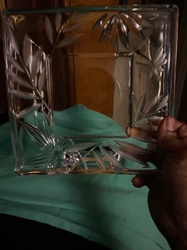
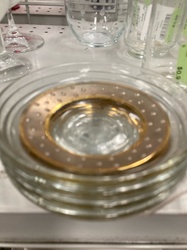
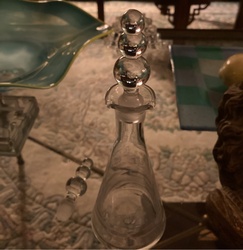
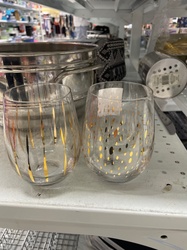
This item is an iridescent orange-amber colored pressed glass bowl, commonly identified as carnival glass due to its distinctive shimmering, metallic sheen that changes hue depending on the angle of light and the observer's position. The bowl features a highly decorative, raised pattern of grape clusters and intertwining grapevines and leaves, prominent across its interior surface. The edges of the bowl are scalloped or ruffled, giving it a somewhat organic, undulating shape, characteristic of many carnival glass pieces from the early 20th century. While specific dimensions are not provided, it appears to be a medium-sized serving or fruit bowl suitable for a tabletop. The material is glass, exhibiting a translucent quality where the iridescence is less concentrated. The color variations seen include oranges, coppers, yellows, and hints of purples and blues, especially around the high points of the grape design and the ruffled edges, indicating a robust iridization process. There are no immediately visible chips, cracks, or significant damage, suggesting it is in good vintage condition. The manufacturing details, such as a maker's mark or specific pattern name, are not discernible from the provided image, although the 'Grape' pattern was a very common motif in carnival glass production by various manufacturers such as Fenton, Northwood, and Dugan. Based on its style and material, it likely dates from the early 20th century, typically between 1907 and the 1930s. The craftsmanship is indicative of mass-produced yet ornate glassware of the period, known for its vibrant colors and intricate molded designs, making it a desirable collectible.
AI Appraisal Report
Upon my virtual examination of this Carnival Glass Grape Pattern Ruffled Bowl, I note its vibrant iridescent orange-amber hue, a desirable characteristic for collectors of early 20th-century glassware. The 'Grape' pattern is a classic motif, indicative of manufacturers like Fenton, Northwood, or Dugan. The ruffled edge adds to its aesthetic appeal. Visually, the condition appears excellent; I observe no immediate chips, cracks, or significant damage, which significantly enhances its marketability. The robust iridization, with color variations including oranges, coppers, and hints of purples, is well-preserved, suggesting good care over time.
Market conditions for carnival glass remain steady, with popular patterns and less common colors or forms attracting consistent demand. While the 'Grape' pattern itself is not rare, its excellent condition and appealing iridescence distinguish this specific piece. Comparables for similar grape pattern ruffled bowls in good condition typically range between $75 and $150. Factors impacting value positively include its apparent superb condition and appealing color. The primary limitation of this appraisal is the lack of physical inspection. Without handling the piece, I cannot definitively assess minute surface wear, internal stress fractures, or subtle repairs. Furthermore, authentication of manufacturer or pattern variant is challenging from images alone; an in-person examination would allow for inspection of maker's marks, glass quality, and mold lines, and potentially scientific testing if origin was truly disputed. Provenance documentation, such as original sales receipts or family history, would also provide invaluable authentication and historical context, neither of which are available here.