1941 Jefferson Nickel
Numismatics / US Coins

1941 Jefferson Nickel

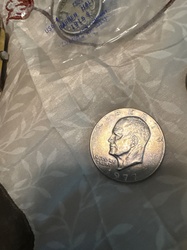
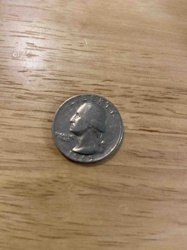
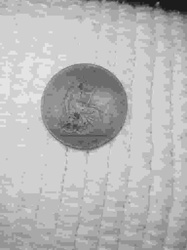
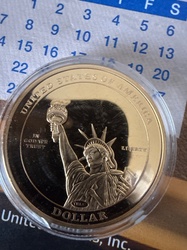
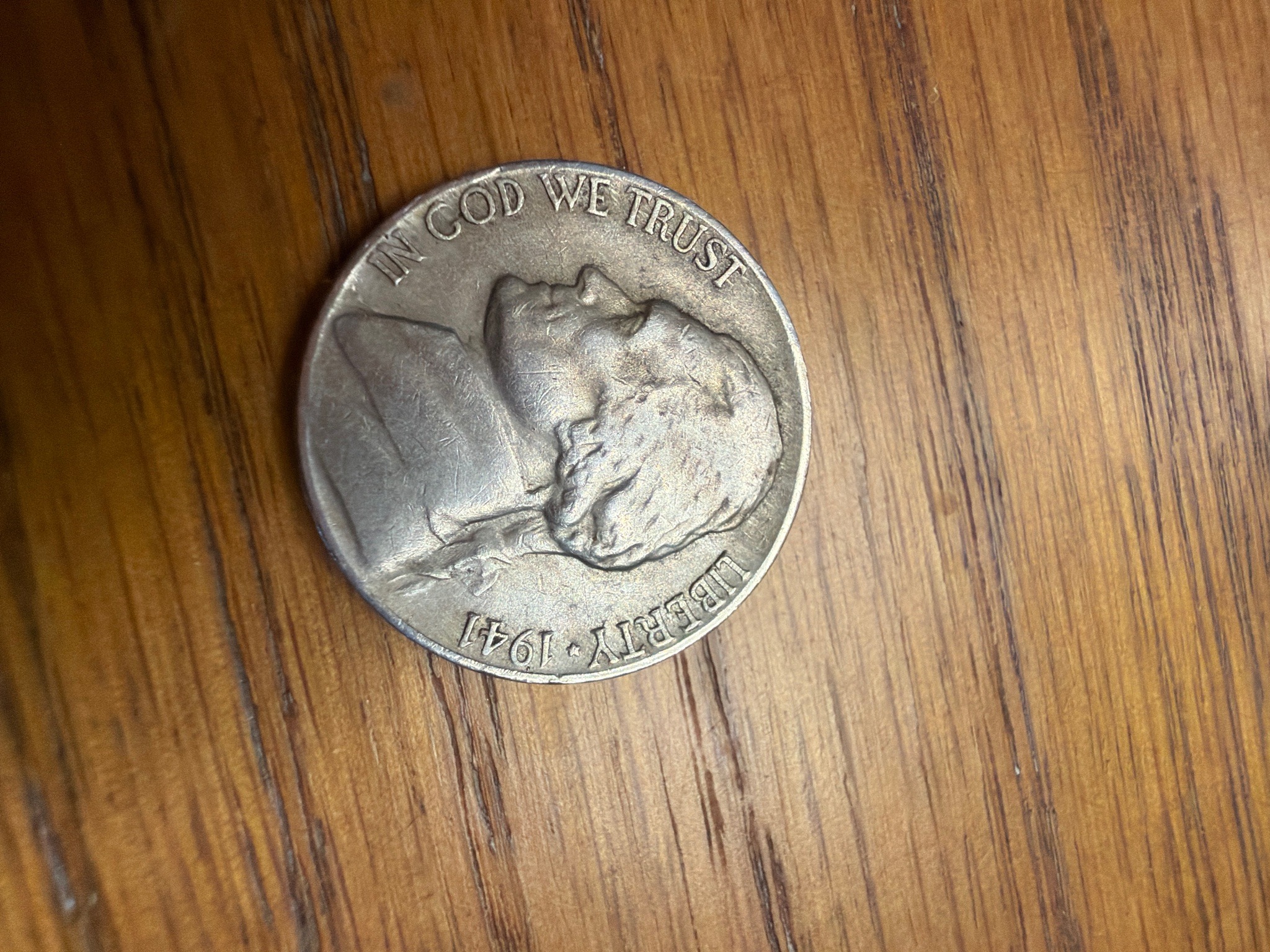
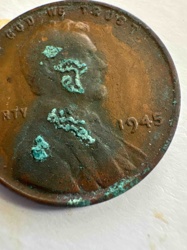
This is a United States five-cent coin, commonly known as a Jefferson nickel, minted in 1941. The obverse features the profile of Thomas Jefferson, designed by Felix Schlag. The coin is composed of 75% copper and 25% nickel, measuring 21.2mm in diameter with a plain edge. The inscription 'IN GOD WE TRUST' is visible along the top left rim, with 'LIBERTY' and the date '1941' along the bottom right. The coin exhibits signs of moderate circulation, categorized as 'Very Fine' to 'Extra Fine' condition. There is visible wear on high points such as Jefferson's cheekbone and hair details, though the overall relief remains distinct. The surface shows a dull metallic grey patina with numerous micro-scratches and minor contact marks consistent with age. There is no visible mint mark on the obverse (as expected for this era, any mint mark would be on the reverse), suggesting either Philadelphia production or a common circulation strike. The strike quality appears average for the pre-war period, with well-defined lettering along the rim but softening of the finer facial contours.
Estimated Value

$0.50 - $1.50

Basic Information

Category

Numismatics / US Coins

Appraised On

April 30, 2026

Estimated Value

$0.50 - $1.50

Item Description

This is a United States five-cent coin, commonly known as a Jefferson nickel, minted in 1941. The obverse features the profile of Thomas Jefferson, designed by Felix Schlag. The coin is composed of 75% copper and 25% nickel, measuring 21.2mm in diameter with a plain edge. The inscription 'IN GOD WE TRUST' is visible along the top left rim, with 'LIBERTY' and the date '1941' along the bottom right. The coin exhibits signs of moderate circulation, categorized as 'Very Fine' to 'Extra Fine' condition. There is visible wear on high points such as Jefferson's cheekbone and hair details, though the overall relief remains distinct. The surface shows a dull metallic grey patina with numerous micro-scratches and minor contact marks consistent with age. There is no visible mint mark on the obverse (as expected for this era, any mint mark would be on the reverse), suggesting either Philadelphia production or a common circulation strike. The strike quality appears average for the pre-war period, with well-defined lettering along the rim but softening of the finer facial contours.
Get Your Items Appraised

Instant estimates of your treasures with AI-powered instant appraisals

Browse More Appraisals