AI Appraisal Estimate

AI-generated estimates · not official valuations

From the user

What was submitted

Photo and notes provided by the user — not generated by AI

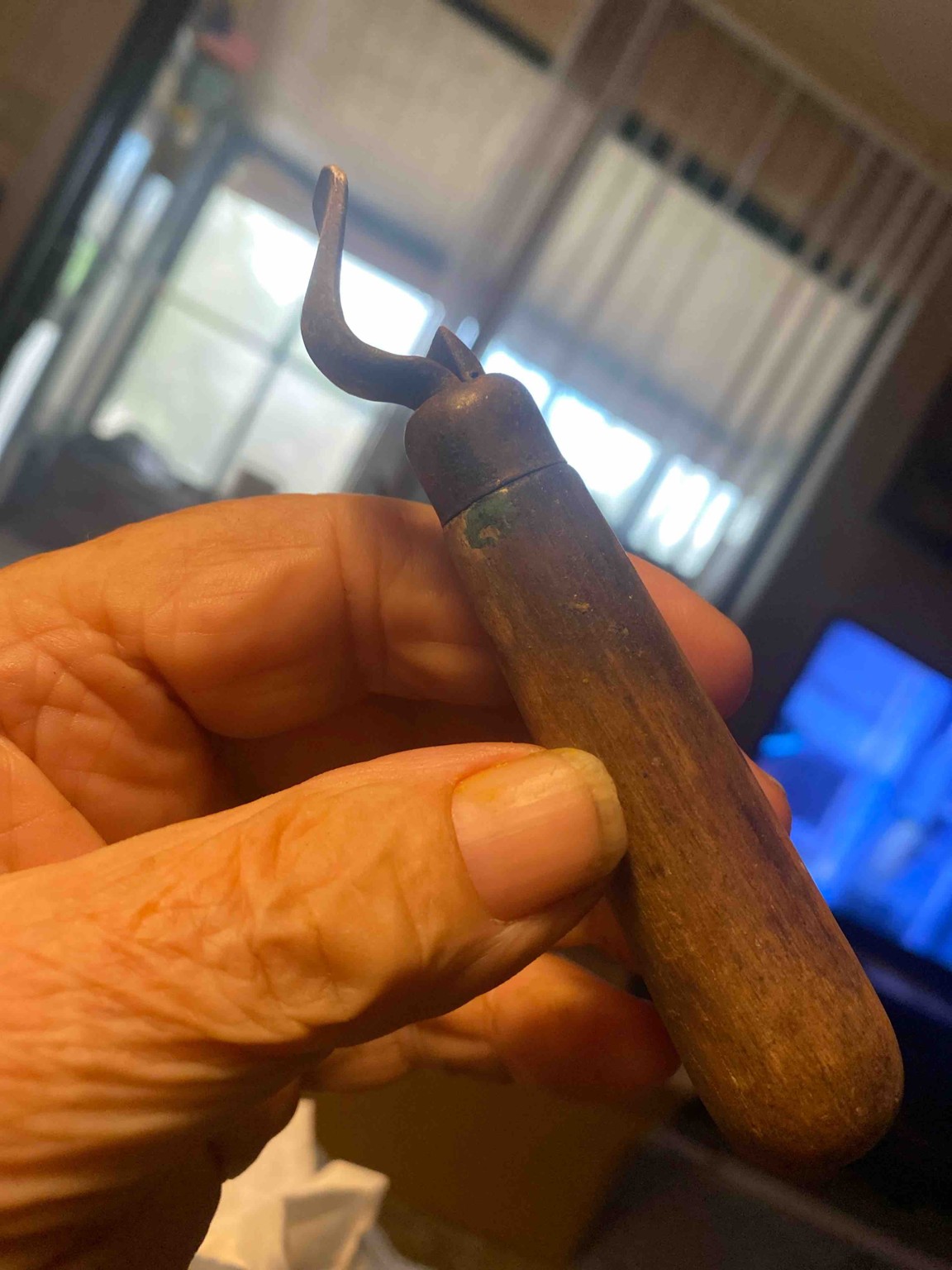
Submitted item photo
Submitted photo · May 24, 2026

User's notes

No additional notes provided.

AI analysis below

AI appraisal

AI analysis & estimate

AI-Generated · Verify before acting

Everything below is generated by AI for informational purposes only. AI can make mistakes — the AI may misidentify items or misattribute them (artist, maker, brand, designer, origin, era). This is not an official valuation and should not be used for insurance, sale, tax, estate, legal, or lending purposes — or any decision requiring a certified appraisal. It is not an authoritative claim about any person, brand, or rights holder — do not share or rely on it as a factual statement about a third party. Always consult qualified professionals before making financial decisions.

Read the full disclaimer

AI Identification

·Not independently authenticated·Verify before acting

Vintage Button Hook with Turned Wood Handle

Antique Vanity & Grooming Tools

AI Estimated Value

·Not an official valuation·Verify before acting

$15.00 - $25.00

As of May 24, 2026

AI Item Analysis

·AI can make mistakes·Verify before acting
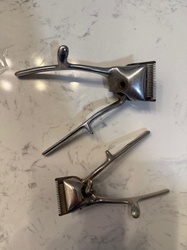
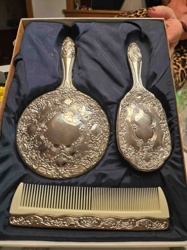
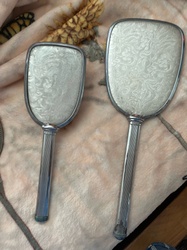
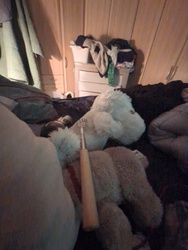
This item is an antique or vintage button hook, a functional tool commonly used from the late 19th to early 20th centuries to fasten small, tightly spaced buttons on boots, gaiters, or gloves. The tool measures approximately 4 to 5 inches in length. It features a simple turned wooden handle with a cylindrical, slightly tapered profile and a rounded butt end. The wood appears to be a dense hardwood, possibly fruitwood or oak, showing a deep natural patina and darkening from years of hand contact. The metal component consists of a curved steel or iron hook that originates from a metal ferrule or cap at the top of the handle. The metal displays significant signs of age, including a dark brown oxidation and localized green verdigris near the wood junction, suggesting the presence of copper or brass in the alloy or ferrule. The hook itself is uniquely shaped with a swan-neck curve and a small secondary protrusion near the base, designed to catch and pull the button through the eyelet with ease. There are no visible maker's marks or stamps; however, the utilitarian construction and wear patterns suggest a mass-produced but durable daily implement. The condition is fair to good for its age, showing heavy surface wear, minor nicks in the wood, and significant metal corrosion, all characteristic of authentic late Victorian or Edwardian era domestic objects.
AI Appraisal Report

·AI can make mistakes·Verify before acting
Upon visual inspection of this button hook, I find it to be a quintessential utilitarian object from the late Victorian or early Edwardian period (circa 1890–1915). The turned hardwood handle and steel hook construction are consistent with mass-produced domestic tools of the era. The presence of verdigris at the ferrule suggests a brass or copper-based alloy beneath the surface oxidation, which is typical for items of this vintage. The condition is fair; while the patina on the wood is attractive, the significant metal corrosion and surface nicks reduce its desirability among high-end collectors who typically seek sterling silver or ivory-handled examples. The market for common button hooks is currently saturated, as these were produced by the millions. Rarity is low, and demand is primarily driven by 'shabby chic' decorators or entry-level collectors of domestic sewing and grooming tools. Comparable items in similar condition regularly sell at antique malls and online auctions for under $30. The lack of a maker's mark further classifies this as a generic, functional piece rather than a collectible specimen from a noted manufacturer like Tiffany or Unger Bros. Note: This appraisal is based strictly on photographic evidence. I cannot definitively verify the wood species or test the metal's structural integrity against 'red rot' without physical handling. A full authentication would require an in-person examination to check for structural cracks under the ferrule and a chemical test of the metal to confirm the alloy. Provenance documentation, such as family records or original merchant packaging, could slightly elevate the value but is unlikely to move it into a higher market tier.

Get your items appraised

Instant estimates of your treasures with AI-powered appraisals

Browse More Appraisals