AI Appraisal Estimate

AI-generated estimates · not official valuations

From the user

What was submitted

Photo and notes provided by the user — not generated by AI

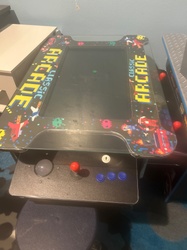
Submitted item photo
Submitted photo · June 8, 2026

User's notes

No additional notes provided.

AI analysis below

AI appraisal

AI analysis & estimate

AI-Generated · Verify before acting

Everything below is generated by AI for informational purposes only. AI can make mistakes — the AI may misidentify items or misattribute them (artist, maker, brand, designer, origin, era). This is not an official valuation and should not be used for insurance, sale, tax, estate, legal, or lending purposes — or any decision requiring a certified appraisal. It is not an authoritative claim about any person, brand, or rights holder — do not share or rely on it as a factual statement about a third party. Always consult qualified professionals before making financial decisions.

Read the full disclaimer

AI Identification

·Not independently authenticated·Verify before acting

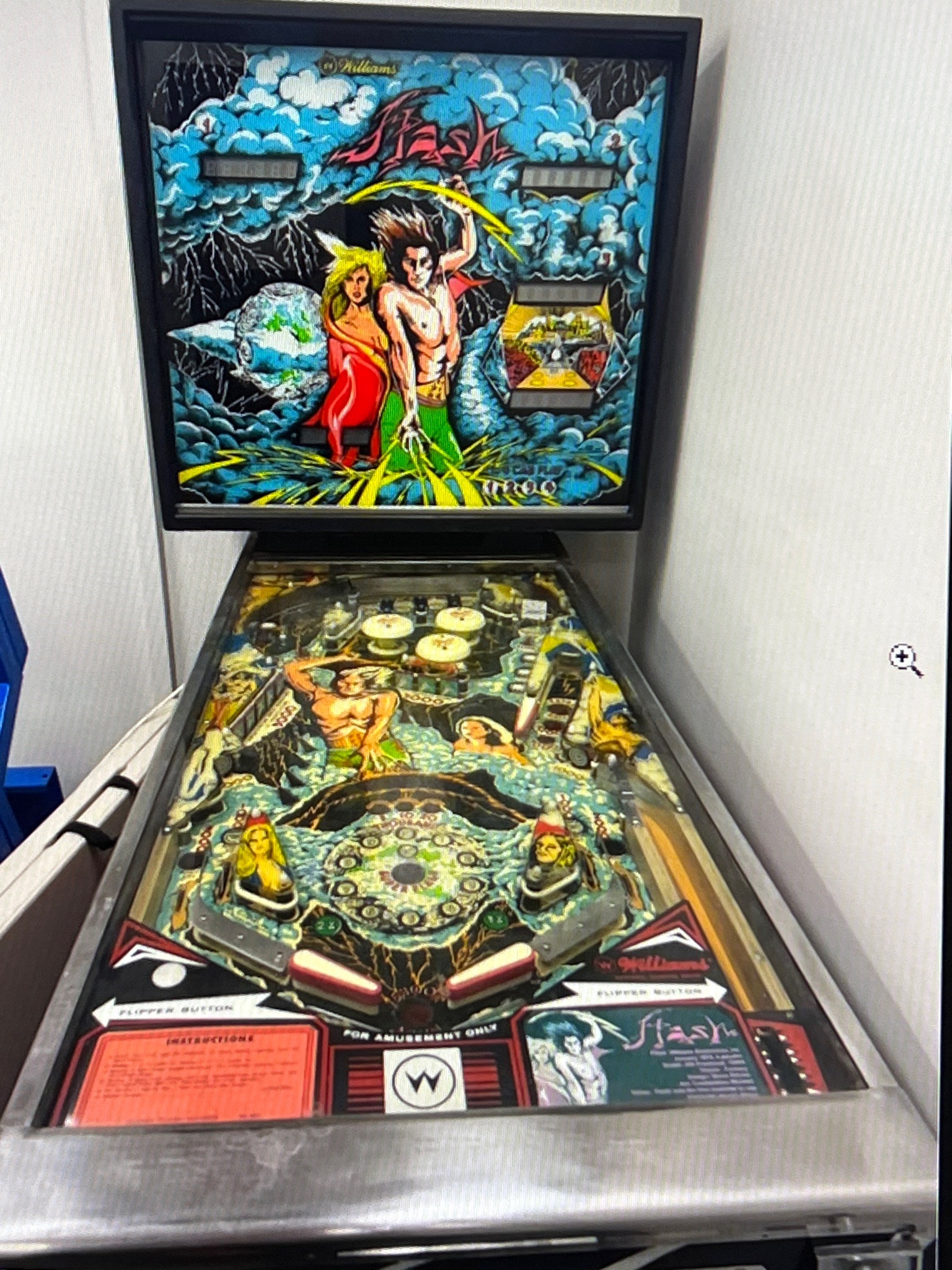
Williams "Flash" Pinball Machine

Amusement Machinery / Arcade Collectibles

AI Estimated Value

·Not an official valuation·Verify before acting

$2,200 - $2,800

As of June 8, 2026

AI Item Analysis

·AI can make mistakes·Verify before acting
This is an original Williams 'Flash' pinball machine, first released in January 1979 and designed by the legendary Steve Ritchie. The machine features a distinctive solid-state electronic construction, representing an era of significant technological transition in arcade history. The backglass displays vibrant, comic-book style artwork depicting a muscular hero and a female figure surrounded by lightning and stylized clouds, with the Williams logo clearly visible at the top. The playfield is a complex arrangement of three pop bumpers, subterranean kickers, and a prominent loop-around lane. Physically, the cabinet is constructed of wood with metal trim and a glass-enclosed playfield. The condition appears well-maintained with clear colors and minimal visible fading on the backglass. The instruction cards and Williams 'W' logo on the apron are intact and legible. Notably, 'Flash' was the first pinball machine to feature a dynamic background sound (a pulsating hum that increases in intensity), and it was the first to use high-intensity flash lamps on the playfield, making it a highly significant piece for collectors. The playfield art shows typical light wear consistent with age, particularly around high-traffic areas near the flippers and lanes, but the overall presentation is clean.
AI Appraisal Report

·AI can make mistakes·Verify before acting
I have virtually examined this 1979 Williams 'Flash' pinball machine. Authenticity appears consistent with original production models, characterized by the Steve Ritchie layout and the signature 1970s solid-state cabinet design. The backglass presentation is a primary value driver here; the colors remain vibrant with no visible flaking or 'lifting' of the screen-printed ink, which is common in this era. The playfield displays expected high-traffic wear near the lower flippers, but the presence of the original 'W' logo apron and intact instruction cards suggests a machine that has been maintained rather than stripped for parts. Market demand for 'Flash' remains robust, as it holds historical significance as the first machine to utilize continuous background sound and high-intensity flash lamps. While it was a high-production title (nearly 20,000 units), 'collector-grade' examples are increasingly scarce. The value is bolstered by the machine's reputation for fast gameplay, though it is tempered by the lack of clear view regarding the MPU board condition. Several critical factors cannot be verified via imagery: the presence of alkaline corrosion from original batteries on the circuit boards, the functionality of the sound synthesizer, and the integrity of the playfield solenoids. A formal valuation would require an in-person diagnostic to ensure the solid-state electronics haven't been compromised by 'hacks' or heat damage. Provenance regarding recent capacitor replacements or LED conversions would further refine this estimate. For full authentication, I would need to inspect the serial number stamp on the cabinet back and verify that the boards match the production run of the period.

Get your items appraised

Instant estimates of your treasures with AI-powered appraisals

Browse More Appraisals