AI Appraisal Estimate

AI-generated estimates · not official valuations

From the user

What was submitted

Photo and notes provided by the user — not generated by AI

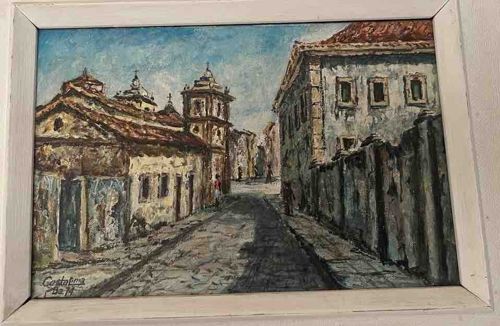
Submitted item photo
Submitted photo · May 25, 2026

User's notes

Costa Lima, 1974

AI analysis below

AI appraisal

AI analysis & estimate

AI-Generated · Verify before acting

Everything below is generated by AI for informational purposes only. AI can make mistakes — the AI may misidentify items or misattribute them (artist, maker, brand, designer, origin, era). This is not an official valuation and should not be used for insurance, sale, tax, estate, legal, or lending purposes — or any decision requiring a certified appraisal. It is not an authoritative claim about any person, brand, or rights holder — do not share or rely on it as a factual statement about a third party. Always consult qualified professionals before making financial decisions.

Note

This analysis also relies on unverified notes provided by the user, which may be incomplete or inaccurate and could affect the result.

Read the full disclaimer

AI Identification

·Not independently authenticated·Verify before acting

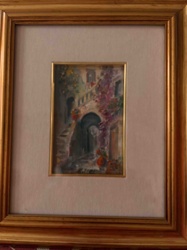
Colonial Street Scene Painting by Costa Lima (1974)

Fine Art - Paintings

AI Estimated Value

·Not an official valuation·Verify before acting

$450 - $700

As of May 25, 2026

AI Item Analysis

·AI can make mistakes·Verify before acting
This is an original mid-20th-century oil or acrylic painting on canvas or board, depicting a colonial-style street scene, likely in Brazil, given the architectural features and artist's name. The piece measures approximately within a medium square-to-rectangular format and is housed in a simple, off-white painted wooden frame. The composition features a rugged cobblestone street leading the viewer's eye into the distance, flanked by weathered colonial buildings with red-tiled roofs and a prominent church tower in the background. The color palette is dominated by earthy ochres, browns, and muted greys, contrasted against a pale blue, textured sky. The artist's technique is highly impasto, using thick, expressive brushstrokes and palette knife work to create physical texture that mimics the crumbling stone and plaster of the ancient architecture. In the bottom left corner, the painting is clearly signed 'Costa Lima' and dated '74' (1974), with a location shorthand that appears to read 'Ba' for Bahia. The condition shows some surface dust and minor age-related cracking typical for its 50-year age, with the frame showing slight scuffing and paint wear. The heavy application of paint suggests a robust, artisanal quality, characteristic of Brazilian mid-century regionalist art.


AI Appraisal Report

·AI can make mistakes·Verify before acting
I have virtually examined this original oil on canvas/board by Costa Lima, dated 1974. The work depicts a quintessential colonial Brazilian street scene, likely within the historic district of Salvador, Bahia. Based on the visual evidence, the piece possesses the heavy impasto and palette knife work characteristic of Brazilian regionalist painters of the mid-20th century. The signature and date '74' appear consistent with the period, and the natural age-related craquelure suggests an authentic vintage. The condition is fair to good, with minor surface accumulation and frame wear that do not significantly detract from its decorative appeal. The market for mid-century Brazilian regionalism is stable but niche, typically appealing to collectors of Latin American architectural scenes. Comparable works of this size and subject matter by similar regional artists frequently realize between $400 and $800 at auction and gallery sales. The 'Ba' (Bahia) inscription adds localized provenance, which enhances its charm for collectors interested in the historic Pelourinho or similar districts. The primary value drivers are the textural depth and the nostalgic subject matter, though the relatively simple framing and anonymous nature of the artist outside the Brazilian market cap its current ceiling. Please note: This appraisal is based on photographic inspection. A full authentication would require an in-person examination to verify the substrate’s age via UV light (wood/canvas fluorescence), check for hidden repairs or overpainting, and confirm the pigment chemistry. I recommend the owner provide any original gallery labels or purchase receipts to firmly establish provenance, as these documents can significantly bolster market confidence and final valuation.

Get your items appraised

Instant estimates of your treasures with AI-powered appraisals

Browse More Appraisals