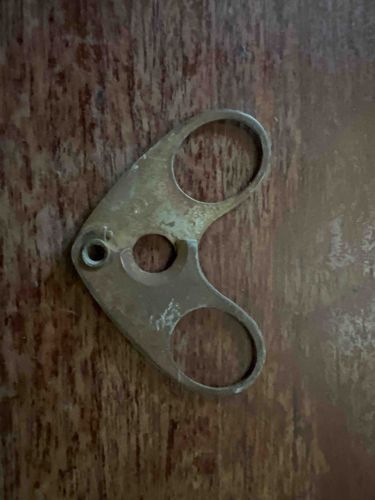
Vintage Bicycle Derailleur Hanger / Drop out Bracket
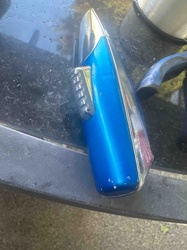
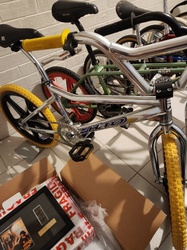
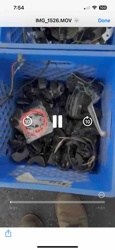
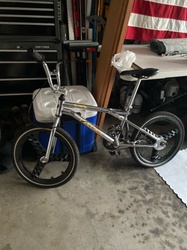
This is a vintage, V-shaped bicycle component, specifically identifying as a rear derailleur hanger or frame dropout attachment. The item is constructed from a non-ferrous metal, likely brass or a chrome-plated steel alloy that has lost its original finish. It features three circular apertures: two large identical rings at the ends of the 'V' and a smaller, stepped mounting hole at the vertex. A small, threaded integrated nut is visible on one side, typical of older mechanical cycling hardware where the derailleur would bolt directly to the frame. The surface exhibits significant oxidation, verdigris, and a dull brown patina, suggesting it was exposed to the elements for many years. There are visible scratches and minor pitting across the flat surface, and the edges show signs of rough machining or long-term wear from use. There are no clearly visible maker's marks or serial numbers, but the overall geometry and thickness of the material point to mid-20th-century craftsmanship (circa 1950s-1970s). The piece appears structurally sound but would require significant cleaning and potentially re-plating for functional restoration or display.
AI-Generated Appraisal Disclaimer
Estimated Value
$15.00 - $35.00
Basic Information
Category
Vintage Bicycle Parts and Components
Appraised On
March 22, 2026
Estimated Value
$15.00 - $35.00
Item Description
This is a vintage, V-shaped bicycle component, specifically identifying as a rear derailleur hanger or frame dropout attachment. The item is constructed from a non-ferrous metal, likely brass or a chrome-plated steel alloy that has lost its original finish. It features three circular apertures: two large identical rings at the ends of the 'V' and a smaller, stepped mounting hole at the vertex. A small, threaded integrated nut is visible on one side, typical of older mechanical cycling hardware where the derailleur would bolt directly to the frame. The surface exhibits significant oxidation, verdigris, and a dull brown patina, suggesting it was exposed to the elements for many years. There are visible scratches and minor pitting across the flat surface, and the edges show signs of rough machining or long-term wear from use. There are no clearly visible maker's marks or serial numbers, but the overall geometry and thickness of the material point to mid-20th-century craftsmanship (circa 1950s-1970s). The piece appears structurally sound but would require significant cleaning and potentially re-plating for functional restoration or display.
Get Your Items Appraised
Instant estimates of your treasures with AI-powered instant appraisals