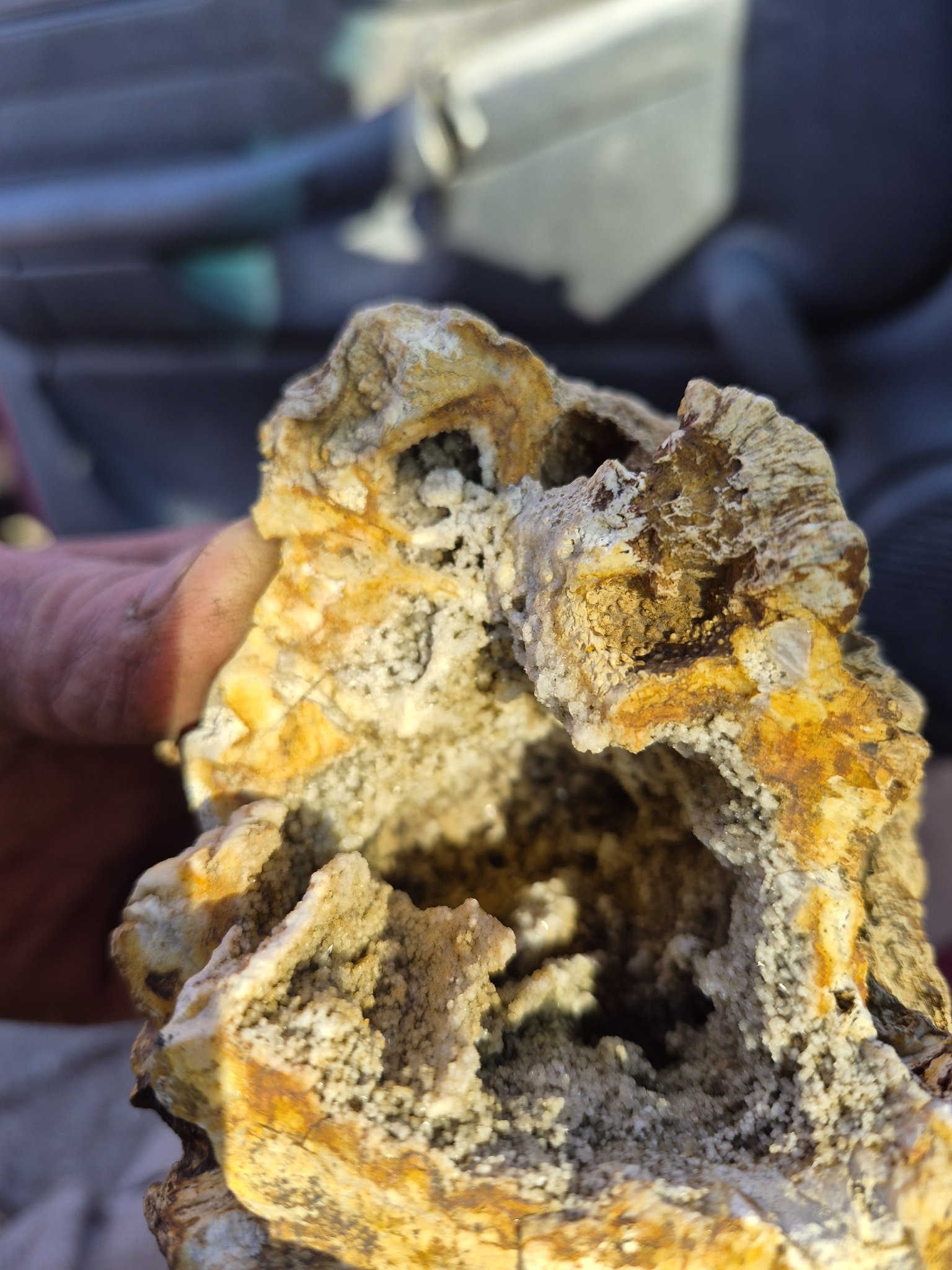
Druzy Quartz Agatized Fossil Coral Geode
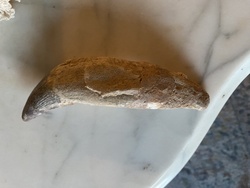
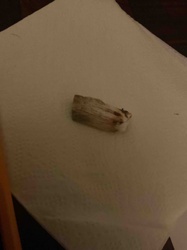
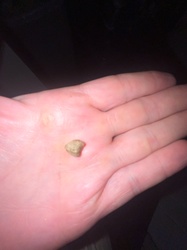
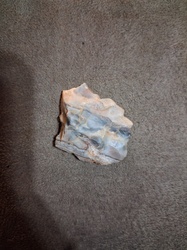
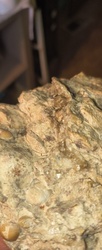
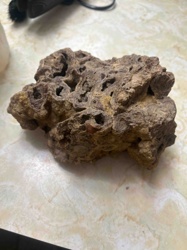
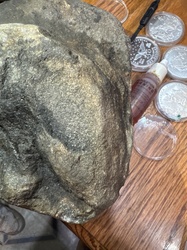
This is a significant geological specimen featuring agatized fossil coral with a prominent druzy quartz interior. The item exhibits a palm-sized, irregular geode structure with a rugged, tan to orange-yellow exterior matrix. The outer shell demonstrates visible prehistoric coral structures, specifically radial septa and corallite patterns, which indicate the specimen is a silicified fossil. The interior cavity is heavily lined with a 'druzy' coating of tiny, sparkling quartz crystals that appear white to translucent. This mineralization occurred as silica-rich groundwater replaced the original calcium carbonate of the coral over millions of years, likely during the Oligocene or Miocene epochs. The coloration is a result of iron oxide and other mineral inclusions within the silica matrix. The condition appears raw and natural, showing typical weathering and fractures from extraction, with no evidence of artificial polishing or enhancement. The preservation of the delicate internal crystal structures against the sturdy, fossilized exterior indicates a high-quality mineral specimen suitable for collectors or geological study.
AI-Generated Appraisal Disclaimer
Estimated Value
$85 - $150
Basic Information
Category
Fossils & Mineral Specimens
Appraised On
May 9, 2026
Estimated Value
$85 - $150
Additional Details Provided By Owner
User Provided Information
Drury quarts geo coral
Item Description
This is a significant geological specimen featuring agatized fossil coral with a prominent druzy quartz interior. The item exhibits a palm-sized, irregular geode structure with a rugged, tan to orange-yellow exterior matrix. The outer shell demonstrates visible prehistoric coral structures, specifically radial septa and corallite patterns, which indicate the specimen is a silicified fossil. The interior cavity is heavily lined with a 'druzy' coating of tiny, sparkling quartz crystals that appear white to translucent. This mineralization occurred as silica-rich groundwater replaced the original calcium carbonate of the coral over millions of years, likely during the Oligocene or Miocene epochs. The coloration is a result of iron oxide and other mineral inclusions within the silica matrix. The condition appears raw and natural, showing typical weathering and fractures from extraction, with no evidence of artificial polishing or enhancement. The preservation of the delicate internal crystal structures against the sturdy, fossilized exterior indicates a high-quality mineral specimen suitable for collectors or geological study.
Related Tags
Get Your Items Appraised
Instant estimates of your treasures with AI-powered instant appraisals