Paleolithic Flint/Chert Stone Scraper Lithic Tool
Prehistoric Archaeological Artifacts / Lithic Tools

Paleolithic Flint/Chert Stone Scraper Lithic Tool

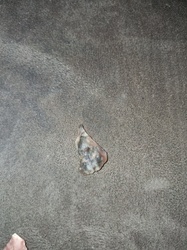
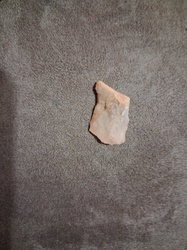
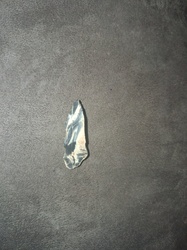
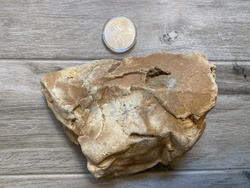
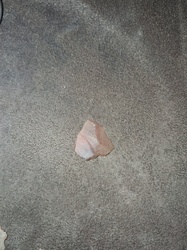
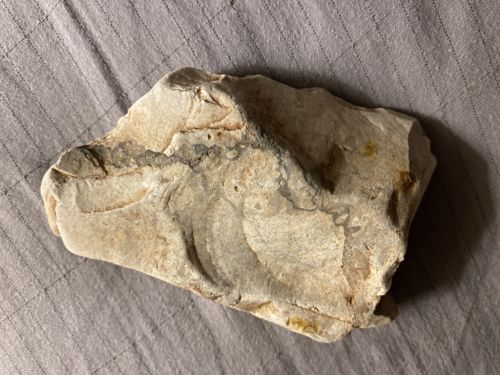
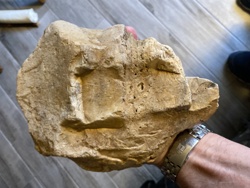
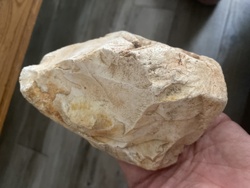
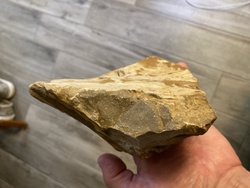
This artifact is a lithic stone tool, specifically identified as a scraper, measuring approximately 3 inches by 2 inches. Originating from Guthrie, Oklahoma, it is crafted from a light-colored chert or flint, displaying a range of creamy whites to earthy tans with localized areas of darker gray mineral staining. The physical construction shows evidence of intentional percussion flaking and unifacial retouching along the working edge, a hallmark of Paleolithic craftsmanship. The tool features a prominent central ridge and concavities where flakes were struck from the core. Its condition is remarkably intact, showing a significant desert varnish or heavy patina consistent with long-term environmental exposure. There are minor localized iron oxide stains (rust-colored spots) and subtle edge wear likely resulting from its utilitarian use in scraping hides or processing organic materials. The absence of modern crushing or steel marks supports its authenticity as a prehistoric tool. This piece exemplifies the 'expedient tool' style of the era, where high-quality local stone was modified for immediate functional needs with high technical efficiency.
Estimated Value

$45.00 - $75.00

Basic Information

Category

Prehistoric Archaeological Artifacts / Lithic Tools

Appraised On

February 18, 2026

Estimated Value

$45.00 - $75.00

Additional Details Provided By Owner

User Provided Information

paleolithic era stone scraper lithic tool found in Guthrie OK dimensions 3" x 2"

Item Description

This artifact is a lithic stone tool, specifically identified as a scraper, measuring approximately 3 inches by 2 inches. Originating from Guthrie, Oklahoma, it is crafted from a light-colored chert or flint, displaying a range of creamy whites to earthy tans with localized areas of darker gray mineral staining. The physical construction shows evidence of intentional percussion flaking and unifacial retouching along the working edge, a hallmark of Paleolithic craftsmanship. The tool features a prominent central ridge and concavities where flakes were struck from the core. Its condition is remarkably intact, showing a significant desert varnish or heavy patina consistent with long-term environmental exposure. There are minor localized iron oxide stains (rust-colored spots) and subtle edge wear likely resulting from its utilitarian use in scraping hides or processing organic materials. The absence of modern crushing or steel marks supports its authenticity as a prehistoric tool. This piece exemplifies the 'expedient tool' style of the era, where high-quality local stone was modified for immediate functional needs with high technical efficiency.
Get Your Items Appraised

Instant estimates of your treasures with AI-powered instant appraisals

Browse More Appraisals