AI identification & appraisal estimate

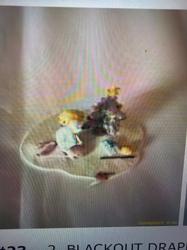
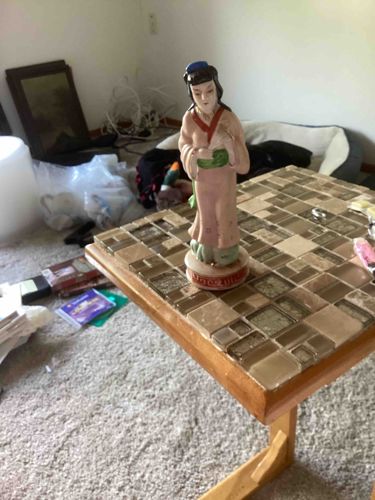
Occupied Japan Geisha Figurine

Submitted photo of Occupied Japan Geisha Figurine
Photo submitted by the user — not generated by AI

User's notes

Made in occupied Japan

These notes were written by the person who submitted this item. Appraiser.AI has not verified them, and the AI's identification and estimate may rely on them.

AI Estimated Value

Not an official valuation

$40-$70

AI estimate as of August 21, 2025 · verify with a professional before acting

AI-Generated · Verify before acting

Everything on this page is generated by AI for informational purposes only. AI can make mistakes — the AI may misidentify items or misattribute them (artist, maker, brand, designer, origin, era). This is not an official valuation and should not be used for insurance, sale, tax, estate, legal, or lending purposes — or any decision requiring a certified appraisal. It is not an authoritative claim about any person, brand, or rights holder — do not share or rely on it as a factual statement about a third party. Always consult qualified professionals before making financial decisions.

This analysis also relies on unverified notes provided by the user, which may be incomplete or inaccurate and could affect the result.

Read the full disclaimer

AI Item Analysis

This item is a ceramic or porcelain figurine depicting a standing geisha or traditional Japanese woman. The figurine stands upright on a circular or possibly octagonal base, which appears to be green with red lettering. The figure is predominantly dressed in a light pink kimono, detailed with red trim around the collar and a bright green obi (sash) around the waist. Her facial features are delicately painted, and her hair is styled in a traditional updo, topped with a dark blue or black hair accessory. She holds a small, light-colored object, possibly a fan or a folded piece of cloth, in front of her. The craftsmanship suggests a molded and hand-painted piece. Visible condition issues are minor; there appears to be some light wear or discoloration on the surface, consistent with age and handling. The paint seems largely intact, though fine lines and details on the kimono might show some fading. The base is notably circular or slightly multi-sided, with what looks like 'MADE IN OCCUPIED JAPAN' stamped in red letters, indicating its manufacture between 1945 and 1952. This marking is a key identifier for its estimated age and origin, placing it in the post-World War II period. The overall quality appears to be consumer-grade decorative art, typical of export wares from that era, designed for affordability and appeal rather than fine art connoisseurship. The figure's proportions are balanced, and the colors are vibrant despite potential age and exposure.

AI Appraisal Report

Upon examining the provided image and information regarding this Occupied Japan Geisha Figurine, I can offer the following professional appraisal. The figurine appears to be a ceramic or porcelain piece, distinguished by its 'MADE IN OCCUPIED JAPAN' marking, firmly dating its production to the 1945-1952 post-WWII period. This marking is a primary indicator of authenticity for its era. The condition appears to be good for its age, exhibiting minor wear and potential discoloration consistent with consumer-grade export wares. The hand-painted details, particularly on the kimono and facial features, are largely intact, which positively impacts its visual appeal. Market conditions for Occupied Japan collectibles are stable but not rapidly appreciating. These items are generally sought after by collectors specializing in post-war Japanese exports or specific figurine types. While not rare, well-preserved examples like this one maintain steady demand. Comparables in the online marketplace and auction results typically show similar geisha figurines from the 'Occupied Japan' period selling in the $30-$70 range, depending on condition, size, and specific artistry. Factors impacting value include the detailed painting, good overall preservation, and the clear, readable 'MADE IN OCCUPIED JAPAN' stamp. Its aesthetic appeal reinforces interest. My assessment for authenticity is based solely on the visual evidence of the marking and overall style. For full authentication and to ascertain material composition definitively, a physical in-person examination would be required to assess glazes, body material, and finer details not discernible from an image. Provenance documentation, such as original sales receipts, if available, would further enhance certainty of its history. Scientific testing, like X-ray fluorescence (XRF) for material analysis, is generally not cost-effective or necessary unless there's a strong doubt concerning authenticity or a significantly higher value is projected.

Keep exploring

More decorative figurine appraisals

Get your items appraised

Instant AI-powered appraisal estimates from a photo

Browse More Appraisals