AI Appraisal Estimate

AI-generated estimates · not official valuations

From the user

What was submitted

Photo and notes provided by the user — not generated by AI

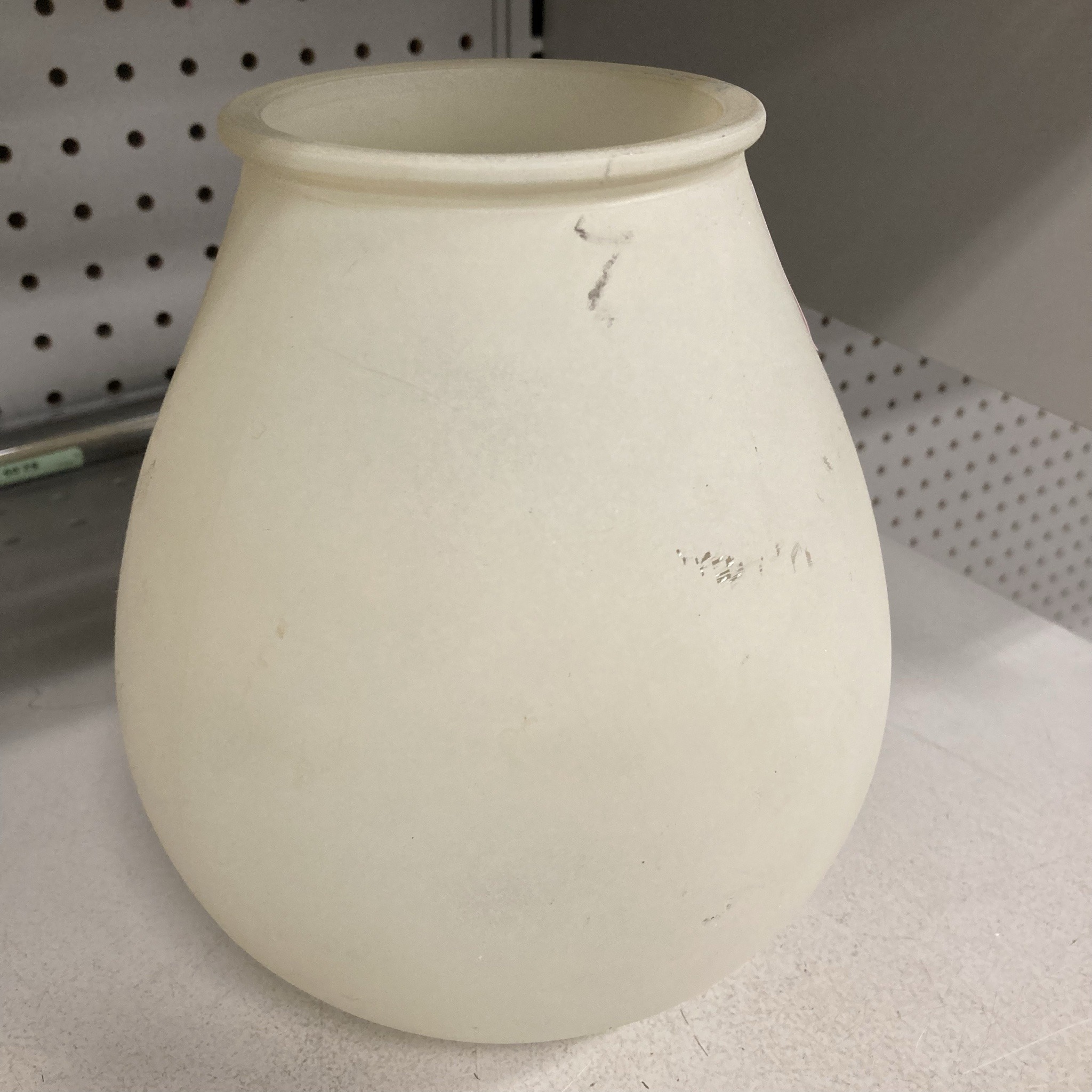
Submitted item photo
Submitted photo · June 25, 2026

User's notes

DOS Bailoom

AI analysis below

AI appraisal

AI analysis & estimate

AI-Generated · Verify before acting

Everything below is generated by AI for informational purposes only. AI can make mistakes — the AI may misidentify items or misattribute them (artist, maker, brand, designer, origin, era). This is not an official valuation and should not be used for insurance, sale, tax, estate, legal, or lending purposes — or any decision requiring a certified appraisal. It is not an authoritative claim about any person, brand, or rights holder — do not share or rely on it as a factual statement about a third party. Always consult qualified professionals before making financial decisions.

Note

This analysis also relies on unverified notes provided by the user, which may be incomplete or inaccurate and could affect the result.

Read the full disclaimer

AI Identification

·Not independently authenticated·Verify before acting

Frosted Milk Glass Ball Vase

Home Decor - Glassware

AI Estimated Value

·Not an official valuation·Verify before acting

$15.00 - $25.00

As of June 25, 2026

AI Item Analysis

·AI can make mistakes·Verify before acting
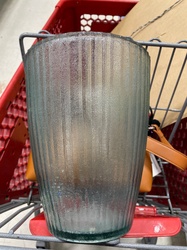
This item is a bulbous, teardrop-shaped vessel constructed from frosted or 'satin' milk glass, likely dating from the mid-20th century. The piece features a wide, rounded body that tapers significantly toward a short neck, terminating in a rolled or flared rim. The material is translucent white, designed to diffuse light softly. Its construction appears to be mold-blown glass given the uniformity of the silhouette. In terms of condition, the item shows visible signs of heavy use and wear appropriate for a utilitarian piece. Notable markings include dark scuff marks and grey abrasions on the exterior surface, which appear to be transferable material rather than deep gouges. Small brownish stains or surface residue are spotted near the lower third of the body. There is a faint, '7'-shaped mark or stain on the upper portion of the vase. No visible chips or cracks are evident in the photograph, though the rim shows minor surface grime. This style of glass was popularized by manufacturers like Fenton or Westmoreland, though it lacks an immediate visible maker's mark. The craftsmanship is consistent with mass-produced mid-century decorative glassware intended for domestic use or as a components for floral arrangements.
AI Appraisal Report

·AI can make mistakes·Verify before acting
I have examined the images of this frosted milk glass ball vase, which presents as a mid-20th-century decorative piece. The satin finish and bulbous teardrop form are characteristic of mass-produced utilitarian glassware from the 1950s or 60s, often produced by American firms such as Fenton Art Glass or Westmoreland. The construction appears to be machine-made or mold-blown, consistent with high-volume domestic distribution. My assessment of the condition reveals significant surface issues; specifically, grey scuffing, dark abrasions, and brownish residues that detract from the visual appeal. While no structural cracks or chips are visible, these surface markings are extensive for a piece of this rarity level. The current market for unmarked mid-century milk glass is highly saturated, with similar 'florist-grade' items frequently found in thrift and antique mall environments. The lack of a maker's mark or distinctive artistic features further limits its collector appeal. High-value pieces in this category typically feature hand-painted details or 'hobnail' patterns, whereas this smooth satin finish is more common. Evaluation from digital images has inherent limitations: I cannot verify the presence of a pontil mark, nor can I check for microscopic flea bites along the rim or base. To provide a definitive authentication, an in-person inspection under UV light (to check for phosphorescence common in older glass formulas) and a physical cleaning to determine if the scuffs are permanent would be required. Given the current condition and the common nature of the mold, its value remains primarily decorative rather than as a blue-chip investment piece.

Get your items appraised

Instant estimates of your treasures with AI-powered appraisals

Browse More Appraisals