AI Appraisal Estimate

AI-generated estimates · not official valuations

From the user

What was submitted

Photo and notes provided by the user — not generated by AI

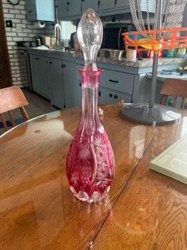
Submitted item photo
Submitted photo · June 8, 2026

User's notes

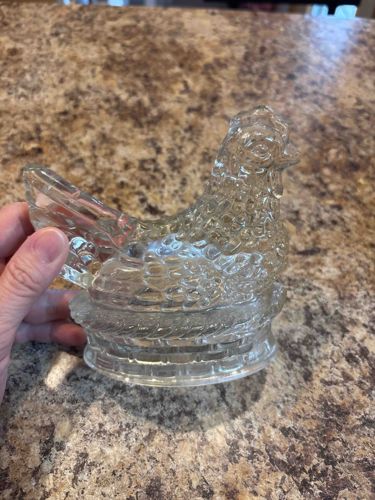
Clear glass hen on a nest lid

AI analysis below

AI appraisal

AI analysis & estimate

AI-Generated · Verify before acting

Everything below is generated by AI for informational purposes only. AI can make mistakes — the AI may misidentify items or misattribute them (artist, maker, brand, designer, origin, era). This is not an official valuation and should not be used for insurance, sale, tax, estate, legal, or lending purposes — or any decision requiring a certified appraisal. It is not an authoritative claim about any person, brand, or rights holder — do not share or rely on it as a factual statement about a third party. Always consult qualified professionals before making financial decisions.

Note

This analysis also relies on unverified notes provided by the user, which may be incomplete or inaccurate and could affect the result.

Read the full disclaimer

AI Identification

·Not independently authenticated·Verify before acting

Vintage Clear Pressed Glass Hen on Nest (Lid Only)

Antique/Vintage Glassware

AI Estimated Value

·Not an official valuation·Verify before acting

$5.00 - $12.00

As of June 8, 2026

AI Item Analysis

·AI can make mistakes·Verify before acting
This item is a clear, pressed glass lid designed in the form of a nesting hen, intended to sit atop a matching basket-weave base (not pictured). The lid features a highly textured surface with intricate molded details simulating individual feathers on the body, a prominent comb and wattle on the head, and a fanned tail. The bottom rim of the lid is decorated with a rope-edge or 'beaded' collar that fits into a recessed base, and beneath that, a portion of the basket-weave pattern is visible. The glass exhibits a slight grayish or straw tint common in mid-20th-century mass-produced soda-lime glass. The construction shows distinct mold lines, particularly along the bird's spine and chest, which is characteristic of Victorian-style pressed glass reissued by companies such as Indiana Glass, Westmoreland, or Fenton. The condition appears fair to good; there is a noticeable dulling of the glass surface and some expected interior chipping or 'flea bites' along the inner rim where the lid meets the base. No prominent maker's marks are visible in the photograph, suggesting it may be a standard production piece from the mid-to-late 20th century. The craftsmanship is utilitarian but decorative, featuring thick walls and rounded edges typical of kitchenware items from the 1950s through the 1970s.
AI Appraisal Report

·AI can make mistakes·Verify before acting
I have carefully examined the provided images and descriptions of this clear pressed glass 'Hen on Nest' lid. The item displays characteristics consistent with mass-produced soda-lime glass, likely manufactured by Indiana Glass or a similar American firm during the mid-to-late 20th century. The visible mold lines and slight gray/straw tint are hallmark indicators of utility-grade kitchenware from this era, rather than earlier 19th-century flint glass. The condition is a primary factor in this valuation. I noted visible dulling of the glass (often caused by alkaline dishwasher detergents) and 'flea bite' chips along the inner rim. Most importantly, the item is an incomplete set; without the matching basket-weave base, the utility and collector interest drop significantly. Market demand for common clear glass hens is currently low, as these were produced in the millions. Comparables for standalone lids frequently sell in the $5 to $12 range at estate sales or online auctions, primarily to buyers looking to replace a broken lid for an existing base. While the piece is an authentic vintage item, it lacks the rarity of slag glass, milk glass, or colored variants from makers like Westmoreland or Boyd. This appraisal is limited by the digital format; a physical inspection would be required to rule out modern reproductions or to identify subtle 'signature' marks often hidden in the interior feathers. Full authentication and a potentially higher valuation would require a complete set (nest and lid) and evidence of better clarity in the glass. No scientific testing is recommended given the item's commonality.

Get your items appraised

Instant estimates of your treasures with AI-powered appraisals

Browse More Appraisals