AI Appraisal Estimate

AI-generated estimates · not official valuations

From the user

What was submitted

Photo and notes provided by the user — not generated by AI

Submitted item photo
Submitted photo · June 4, 2026

User's notes

No additional notes provided.

AI analysis below

AI appraisal

AI analysis & estimate

AI-Generated · Verify before acting

Everything below is generated by AI for informational purposes only. AI can make mistakes — the AI may misidentify items or misattribute them (artist, maker, brand, designer, origin, era). This is not an official valuation and should not be used for insurance, sale, tax, estate, legal, or lending purposes — or any decision requiring a certified appraisal. It is not an authoritative claim about any person, brand, or rights holder — do not share or rely on it as a factual statement about a third party. Always consult qualified professionals before making financial decisions.

Read the full disclaimer

AI Identification

·Not independently authenticated·Verify before acting

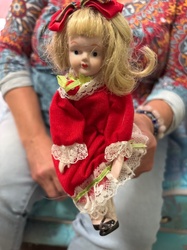
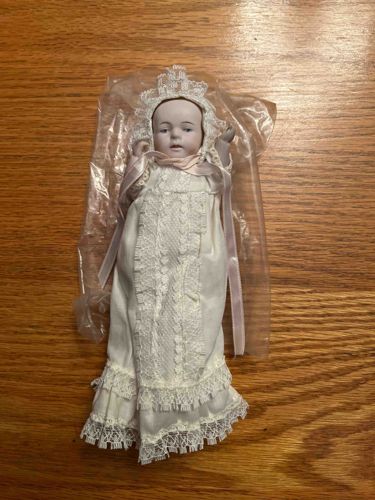
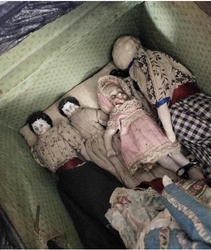
Bisque Socket Head Baby Doll in Christening Gown

Antique Dolls and Toys

AI Estimated Value

·Not an official valuation·Verify before acting

$450 - $650

As of June 4, 2026

AI Item Analysis

·AI can make mistakes·Verify before acting
This item is a miniature antique baby doll, likely dating from the early 20th century (circa 1910-1925). The doll features a bisque socket head with finely painted facial features, including delicate eyebrows and a slightly parted mouth showing small teeth, a style famously pioneered by German makers like Kämmer & Reinhardt or Armand Marseille. The complexion is a smooth, matte bisque with gentle rosy tinting on the cheeks. It appears to have fixed or sleep eyes and a molded or painted pate under a lace-trimmed bonnet. The doll is dressed in an elaborate, floor-length white christening gown, which is characteristic of the Edwardian era or late Victorian period. The gown is constructed from a fine cotton or silk fabric, heavily adorned with vertical lace inserts, pin-tucks, and a ruffled lace hem. A matching lace bonnet with a pink silk ribbon tie completes the outfit. The hands appear to be made of composition or bisque, with visible fingers raised in a traditional infant pose. The doll is currently housed in a protective plastic sleeve against a wooden surface, suggesting it has been preserved as a collectible. Condition-wise, the textiles show minor yellowing consistent with age, but no major fraying or tears are evident. The bisque head appears intact without visible hairline cracks or chips from this perspective. This piece represents high-quality workmanship, specifically in the minute detailing of the scale-appropriate lace and the realistic sculpting of the infant's face.
AI Appraisal Report

·AI can make mistakes·Verify before acting
Based on my visual examination of this miniature bisque socket head baby doll, I have assessed it as a high-quality German character doll from the 1910-1925 era. The finely painted features, including the gentle rosy tinting and parted mouth, are indicative of prestigious manufacturers such as Armand Marseille or Kämmer & Reinhardt. The doll’s preservation within a protective sleeve suggests it has been part of a curated collection, which is supported by the excellent state of the head's bisque and the integrity of the composition hands. The elaborate christening gown, featuring period-correct pin-tucks and lace inserts, significantly enhances its desirability for Edwardian-era collectors. The market for antique character dolls remains steady for high-quality examples with original or era-appropriate costuming. Comparables for 8-10 inch dolls in superior condition generally range between $400 and $700. However, value is significantly impacted by the absence of visible maker marks on the nape of the neck, which are currently obscured by the garment. My assessment is limited by the inability to perform a light test on the bisque to detect internal hairline fractures or repairs that are invisible to the naked eye. A physical inspection is required to verify the 'pate' material and confirm the presence of a mold number (such as the 351 or 341 series). Full authentication would necessitate removing the bonnet to check for maker stamps and examining the body construction for original finish versus later restoration. Provenance documentation regarding previous ownership would further solidify its historical value.

Get your items appraised

Instant estimates of your treasures with AI-powered appraisals

Browse More Appraisals