AI Appraisal Estimate

AI-generated estimates · not official valuations

From the user

What was submitted

Photo and notes provided by the user — not generated by AI

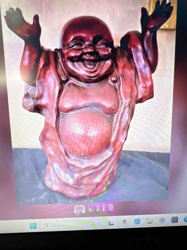
Submitted item photo
Submitted photo · May 17, 2026

User's notes

No additional notes provided.

AI analysis below

AI appraisal

AI analysis & estimate

AI-Generated · Verify before acting

Everything below is generated by AI for informational purposes only. AI can make mistakes — the AI may misidentify items or misattribute them (artist, maker, brand, designer, origin, era). This is not an official valuation and should not be used for insurance, sale, tax, estate, legal, or lending purposes — or any decision requiring a certified appraisal. It is not an authoritative claim about any person, brand, or rights holder — do not share or rely on it as a factual statement about a third party. Always consult qualified professionals before making financial decisions.

Read the full disclaimer

AI Identification

·Not independently authenticated·Verify before acting

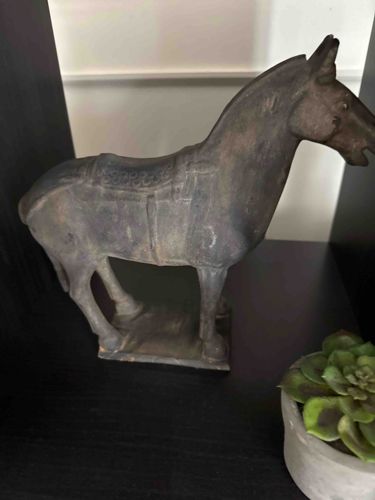
Tang Dynasty Style Ceramic Caparisoned Horse

Asian Art & Antiquities

AI Estimated Value

·Not an official valuation·Verify before acting

$400 - $600 USD

As of May 17, 2026

AI Item Analysis

·AI can make mistakes·Verify before acting
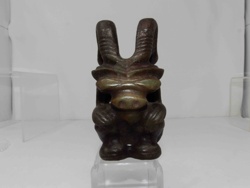
This item is a terracotta or ceramic sculpture of a standing horse, crafted in the iconic style of Chinese Tang Dynasty (618–907 AD) tomb figures. The sculpture is medium-sized and appears to be made of a dark, greyish clay body, possibly a low-fired earthenware. It features a robust, powerful muscular build with an arched neck, docked tail, and a rectangular base for stability. The horse is caparisoned with a detailed saddle and blanket, showing incised decorative scrollwork patterns on the saddlecloth. The color is predominantly a charcoal-grey with subtle buff-colored highlights and remnants of what may be white or pigmented 'slip' across the surface, giving it an aged, excavated aesthetic. Visible condition issues include significant surface weathering, minor chipping around the base and ears, and a heavy patina that suggests an attempt to replicate centuries of burial. The craftsmanship reflects traditional sculptural techniques with a focus on anatomical proportions typical of the period, such as the flared nostrils and alert expression. While it mimics the Tang era, the lack of specific burial minerals and the sharpness of certain incisions may suggest a high-quality 20th-century revival piece or archaeological replica rather than an ancient original. There are no visible maker's marks or modern stamps in the provided image.
AI Appraisal Report

·AI can make mistakes·Verify before acting
Based on my visual examination of the provided images, this ceramic sculpture is a well-modeled representation of a Tang Dynasty (618–907 AD) caparisoned horse. While the figure captures the robust energy and specific anatomical stylization—such as the arched neck and flared nostrils—iconic to the period, several indicators point toward this being a later revival piece, likely dating to the mid-to-late 20th century, rather than an authentic antiquity. The greyish clay body and charcoal surface treatment appear to simulate the appearance of unearthed pottery, yet the patina lacks the complex, layered mineralization and specific encrustation typically found on ancient tomb figures buried for over a millennium. The incised decoration on the saddlecloth is remarkably sharp and uniform, lacking the subtle softening one usually observes after centuries of aging. The 'slip' appears more like an applied wash intended to mimic excavation dust rather than genuine degradation. Authentic Tang Dynasty horses command prices in the tens of thousands to hundreds of thousands; however, the market for decorative replicas is distinct. This piece holds value primarily as a high-quality decorative object for Asian art enthusiasts. Similar vintage replicas of this size and quality generally trade in the $400 to $600 range at secondary estate auctions, depending on size and interior design trends. To confirm an attribution to the actual Tang period, I would require a Thermoluminescence (TL) test to scientifically date the firing of the clay. Without such testing or documented provenance tracing back several decades, this must typically be valued as a decorative revival piece in the current market.

Get your items appraised

Instant estimates of your treasures with AI-powered appraisals

Browse More Appraisals