Paleolithic Bifacial Chert Hand Axe and Side Scraper
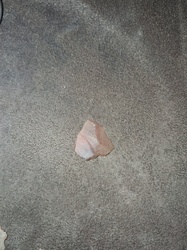
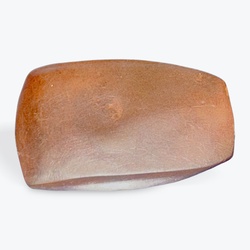
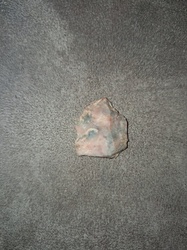
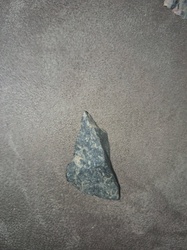
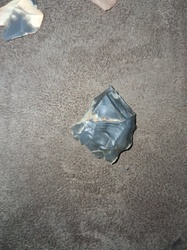
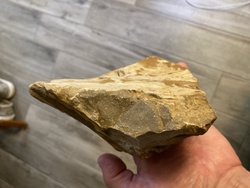
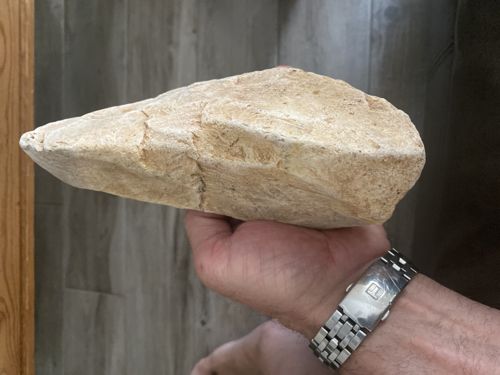
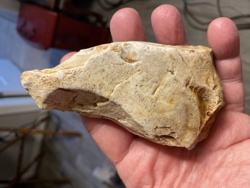
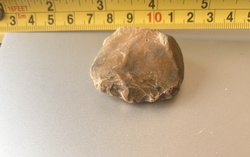
This is a significant lithic artifact, identified as a bifacial hand axe and multi-tool side scraper, crafted from a light-tan to buff-colored chert. Measuring approximately 8 inches in length and 2.5 inches in width, the tool exhibits a triangular or sub-ovate morphology with a pointed distal end and a thicker, rounded proximal base designed for a comfortable palm grip. The surface shows clear evidence of percussion flaking, with large redundant flake scars along both faces, characteristic of Paleolithic lithic reduction techniques. One lateral margin appears straighter and expertly retouched, functioning as a scraper edge, while the opposing side tapers toward a sharp point suitable for piercing or heavy-duty chopping. The material shows a heavy mineral patina and surface encrustation consistent with prolonged burial in the soil profile near Guthrie, Oklahoma. There are minor step fractures and edge nibbling along the working margins, likely resulting from ancient use-wear rather than modern damage. The craftsmanship displays a high degree of intentionality, where the natural contours of the chert nodule were worked to balance weight and ergonomics, resulting in a versatile heavy-duty implement for butchery and hide processing.
AI-Generated Appraisal Disclaimer
Estimated Value
$450 - $850
Basic Information
Category
Prehistoric Stone Tools / Archaeological Artifacts
Appraised On
February 19, 2026
Estimated Value
$450 - $850
Additional Details Provided By Owner
User Provided Information
Paleolithic chert Bi face hand axe side scraper multi tool found in Guthrie, OK measuring tool 8" x 2.5"
Item Description
This is a significant lithic artifact, identified as a bifacial hand axe and multi-tool side scraper, crafted from a light-tan to buff-colored chert. Measuring approximately 8 inches in length and 2.5 inches in width, the tool exhibits a triangular or sub-ovate morphology with a pointed distal end and a thicker, rounded proximal base designed for a comfortable palm grip. The surface shows clear evidence of percussion flaking, with large redundant flake scars along both faces, characteristic of Paleolithic lithic reduction techniques. One lateral margin appears straighter and expertly retouched, functioning as a scraper edge, while the opposing side tapers toward a sharp point suitable for piercing or heavy-duty chopping. The material shows a heavy mineral patina and surface encrustation consistent with prolonged burial in the soil profile near Guthrie, Oklahoma. There are minor step fractures and edge nibbling along the working margins, likely resulting from ancient use-wear rather than modern damage. The craftsmanship displays a high degree of intentionality, where the natural contours of the chert nodule were worked to balance weight and ergonomics, resulting in a versatile heavy-duty implement for butchery and hide processing.
Related Tags
Get Your Items Appraised
Instant estimates of your treasures with AI-powered instant appraisals