Natural Quartz Geode
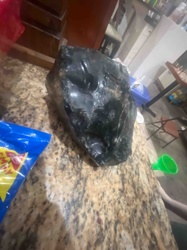
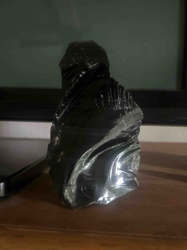
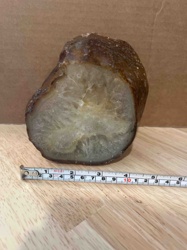
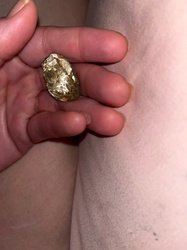
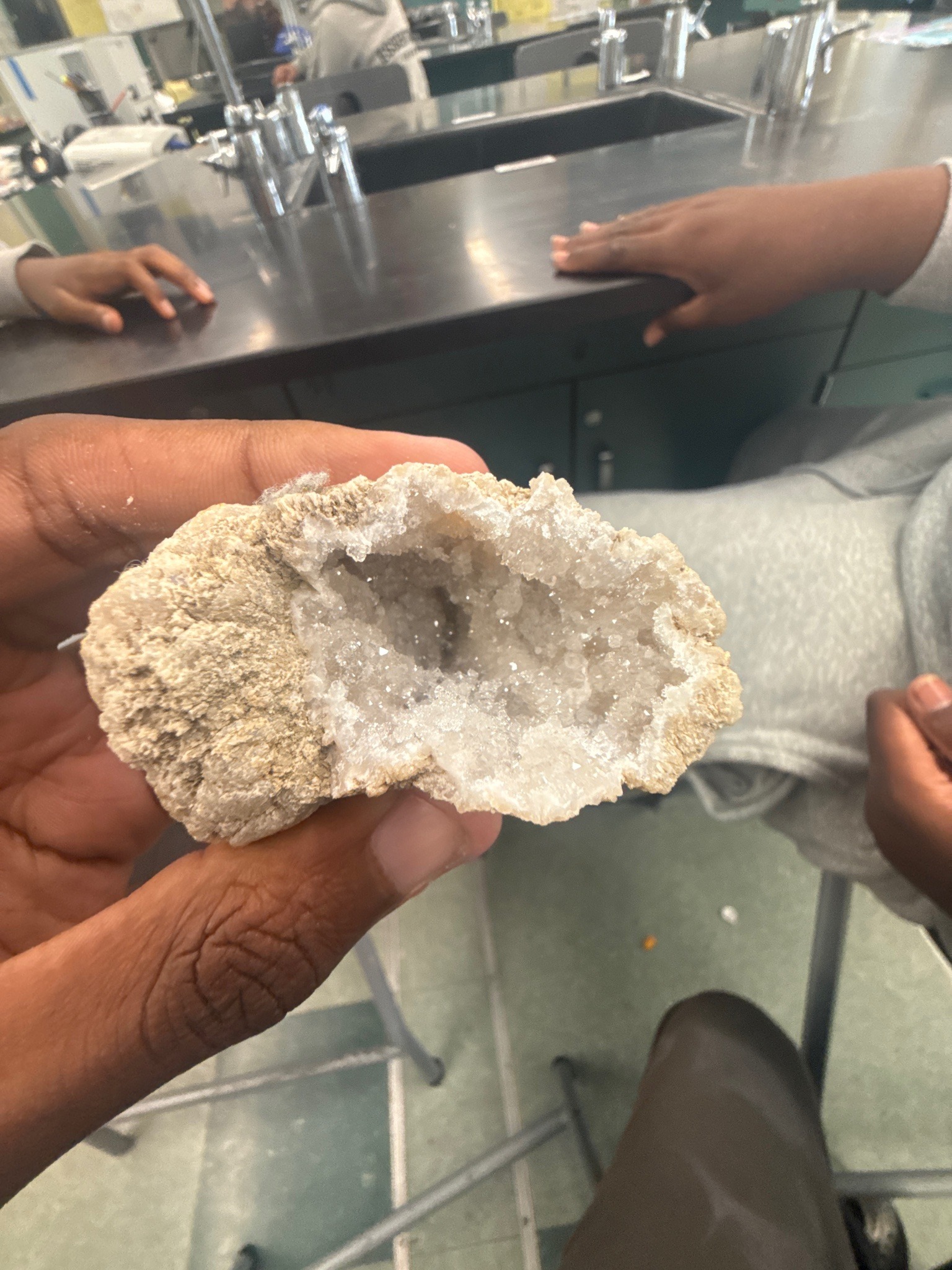
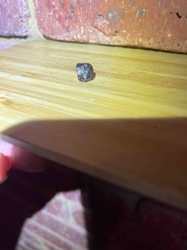
This specimen is a natural quartz geode, likely of sedimentary origin, measuring approximately 3 to 4 inches in width. The exterior 'rind' or matrix consists of a light beige to tan-colored limestone or chalcedony shell, displaying a rough, granular, and porous texture. This outer layer protects the secondary mineral growth inside. When cracked open, the geode reveals a hollow interior cavity lined with a dense druzy of translucent to white quartz crystals. These small, interlocking crystals exhibit pyramidal terminations and produce a high-degree of 'sparkle' due to the reflection of light off the numerous crystal facets. The internal crystal structure appears remarkably clean, with little to no visible metallic inclusions or staining from minerals like iron or manganese, which would typically result in yellow or reddish tints. The condition is raw and unpolished, as found in nature, with the jagged edges expected from a mechanical break used to reveal the interior. There are no artificial dyes or heat treatments apparent, which are common alterations in commercial geode specimens. This piece represents a classic examples of geological formation where mineral-rich water seeped into a hollow cavity over millions of years, slowly precipitating the crystalline interior seen here.
AI-Generated Appraisal Disclaimer
Estimated Value
$15.00 - $35.00
Basic Information
Category
Minerals & Geological Specimens
Appraised On
April 28, 2026
Estimated Value
$15.00 - $35.00
Additional Details Provided By Owner
User Provided Information
3 hours ago
Item Description
This specimen is a natural quartz geode, likely of sedimentary origin, measuring approximately 3 to 4 inches in width. The exterior 'rind' or matrix consists of a light beige to tan-colored limestone or chalcedony shell, displaying a rough, granular, and porous texture. This outer layer protects the secondary mineral growth inside. When cracked open, the geode reveals a hollow interior cavity lined with a dense druzy of translucent to white quartz crystals. These small, interlocking crystals exhibit pyramidal terminations and produce a high-degree of 'sparkle' due to the reflection of light off the numerous crystal facets. The internal crystal structure appears remarkably clean, with little to no visible metallic inclusions or staining from minerals like iron or manganese, which would typically result in yellow or reddish tints. The condition is raw and unpolished, as found in nature, with the jagged edges expected from a mechanical break used to reveal the interior. There are no artificial dyes or heat treatments apparent, which are common alterations in commercial geode specimens. This piece represents a classic examples of geological formation where mineral-rich water seeped into a hollow cavity over millions of years, slowly precipitating the crystalline interior seen here.
Get Your Items Appraised
Instant estimates of your treasures with AI-powered instant appraisals