AI identification & appraisal estimate

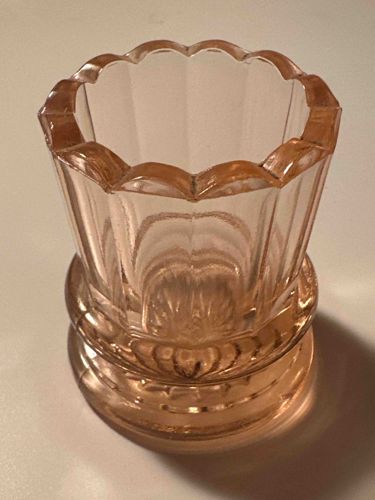
Pink Depression Glass Toothpick Holder

This name is the AI's identification of the item — it may be incorrect.

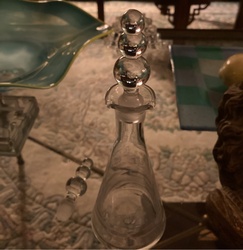
Submitted photo of Pink Depression Glass Toothpick Holder
Photo submitted by the user — not generated by AI

AI Estimated Value

Not an official valuation

$25-45

AI estimate as of October 25, 2025 · verify with a professional before acting

AI-Generated · Verify before acting

Everything on this page is generated by AI for informational purposes only. AI can make mistakes — the AI may misidentify items or misattribute them (artist, maker, brand, designer, origin, era). This is not an official valuation and should not be used for insurance, sale, tax, estate, legal, or lending purposes — or any decision requiring a certified appraisal. It is not an authoritative claim about any person, brand, or rights holder — do not share or rely on it as a factual statement about a third party. Always consult qualified professionals before making financial decisions.

Read the full disclaimer

AI Item Analysis

This item is a small, pink-tinted glass vessel, likely a toothpick holder, exhibiting characteristics of Depression-era glassware. It is crafted from translucent glass with a distinct peachy-pink hue. The body of the holder is faceted with vertical ribs, giving it a somewhat columnar or octagonal shape, which flares slightly towards the top. The rim is scalloped or petal-shaped, featuring approximately eight rounded indentations that create an attractive, decorative edge. The base of the holder is considerably wider than the main body, providing stability. This base is also decorated with concentric rings and a detailed, molded floral or starburst pattern on its upper surface, just beneath where the main body sits. The overall construction appears pressed, a common manufacturing method for Depression glass, suggesting a mass-produced item from the early to mid-20th century. The glass appears to be in good condition, with no immediately visible chips, cracks, or significant fleabites, though a thorough inspection for minor manufacturing imperfections or signs of wear consistent with age would be necessary for a full appraisal. The quality of the glass is typical for Depression glass, which often contains small bubbles or slight variations in thickness. Its color is a defining characteristic, pointing to its likely origin and classification.
AI Appraisal Report

Based on my visual examination of the provided image, this is a Pink Depression Glass Toothpick Holder. Its form, faceted body, scalloped rim, and decorated base are all consistent with typical Depression-era pressed glassware. The translucent peachy-pink hue is a classic indicator of the 'pink' variant of Depression glass. The apparent good condition, lacking visible chips, cracks, or significant fleabites in the image, is a positive factor. However, I must note that a thorough in-person inspection would be needed to confirm the absence of minor imperfections, manufacturing flaws (such as bubbles or straw marks common in Depression glass), or subtle wear commensurate with age, which can impact value. Without tactile inspection, checking for fleabites on the rim or base, and assessing the clarity of the glass and precision of the mold is impossible. This piece is authentic as a Depression-era item based on its design and material characteristics visible. Demand for common Depression glass patterns remains steady but is not exceptionally high. While attractive, toothpick holders are not among the most sought-after forms of Depression glass. Rarity for this specific design appears moderate; similar faceted and scalloped pink toothpick holders are available in the market. Comparable sales for well-preserved pink Depression glass toothpick holders typically fall into the $20-$40 range, with exceptionally rare patterns or mint condition examples fetching slightly more. Factors positively impacting value include its good apparent condition and classic Depression glass appeal. An in-person examination for subtle damage and a detailed pattern identification would confirm its precise market positioning. Provenance documentation would be useful for historical context but not necessary for authenticating its Depression glass origin.

Keep exploring

More decorative glassware appraisals

Get your items appraised

Instant AI-powered appraisal estimates from a photo

Browse More Appraisals